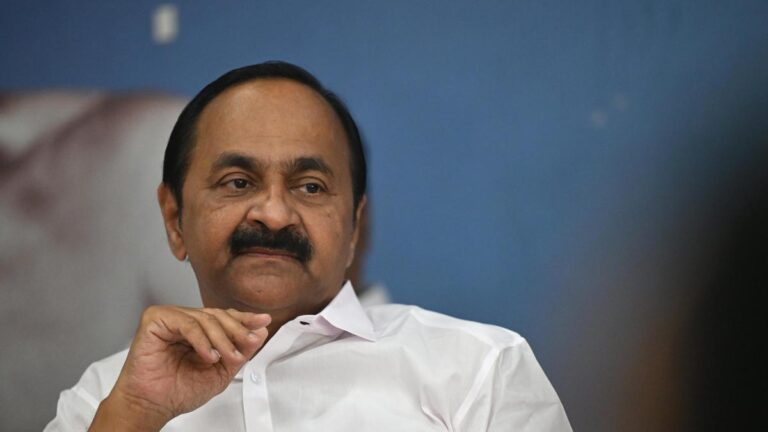
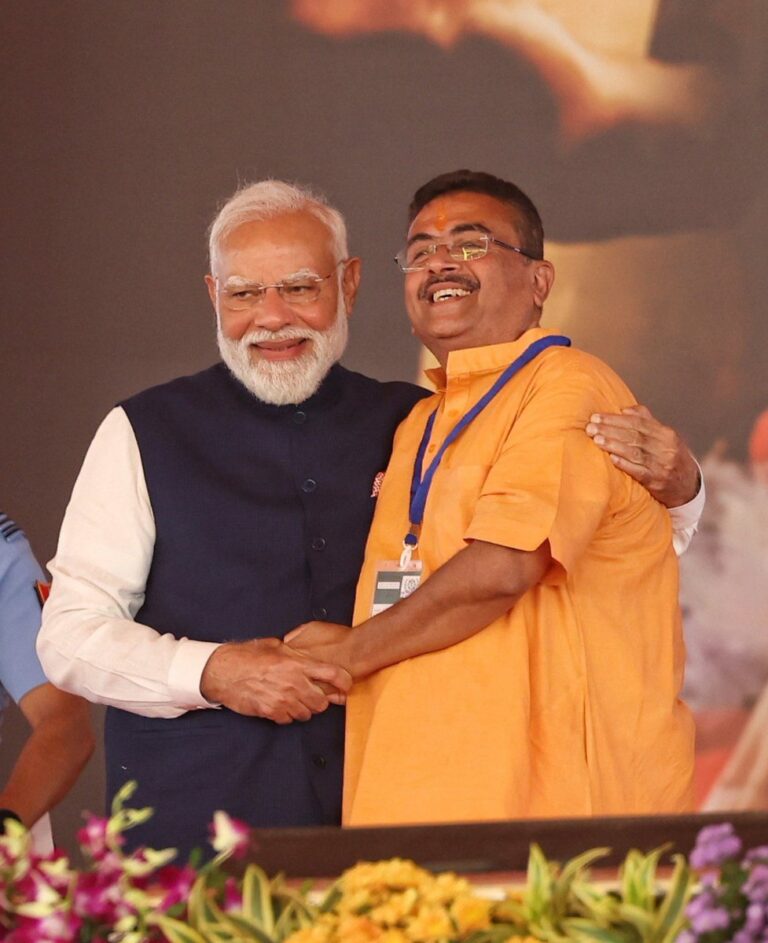
Samrat Chaudhary Set to Become Bihar’s First BJP Chief Minister, Superseding Nitish Kumar
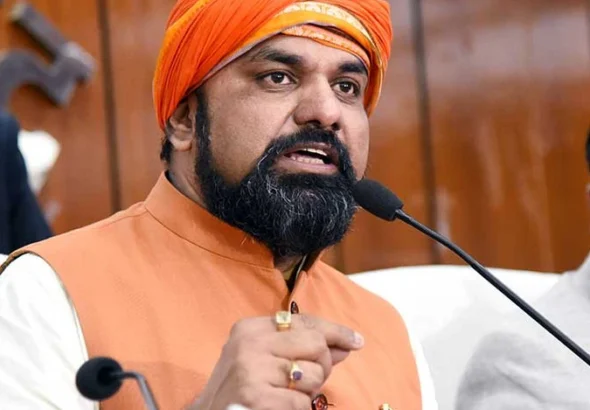
Patna: In a significant political shift in Bihar, senior Bharatiya Janata Party (BJP) leader Samrat Chaudhary is set to be sworn in as the state’s Chief Minister on Wednesday, marking the first time the party will directly hold the top executive post in the state. The 57-year-old leader’s elevation comes after years of political realignment, coalition recalibration, and growing BJP assertiveness in Bihar’s governance structure.
Chaudhary’s appointment signals a decisive moment in Bihar politics, where the BJP has long played the role of a junior partner, most notably under the leadership of veteran politician Nitish Kumar. His rise to the top job reflects both internal party strategy and broader electoral calculations ahead of upcoming national and state-level contests.
A Political Journey Across Parties
Samrat Chaudhary’s political career spans over two decades, marked by shifts across key political formations in Bihar. He began his journey in 1999 with the Rashtriya Janata Dal (RJD), aligning himself with the social justice plank championed by the party. During his early years, he built grassroots connections and developed a reputation as an articulate OBC leader.
In 2014, Chaudhary moved to the Janata Dal (United), led by Nitish Kumar, amid changing political currents in the state. However, his tenure with JD(U) was relatively short-lived. In 2017, as Bihar witnessed a dramatic realignment with Nitish Kumar returning to the National Democratic Alliance (NDA), Chaudhary joined the BJP, marking a turning point in his political trajectory.
Within the BJP, Chaudhary steadily rose through the ranks, eventually becoming one of the party’s most prominent faces in Bihar. His organisational skills, combined with his ability to mobilise backward caste voters, made him a key asset for the party.
Reasons Behind His Elevation
Political analysts point to several factors that contributed to Chaudhary’s selection as Chief Minister, superseding Nitish Kumar.
1. BJP’s Strategic Assertion in Bihar
The BJP has been steadily expanding its footprint in Bihar over the past decade. Despite being a dominant force nationally, the party had ceded the Chief Minister’s post to Nitish Kumar in previous alliances, largely due to his regional influence and administrative experience.
However, recent electoral performances and organisational strengthening have emboldened the BJP to stake claim to the top post. Chaudhary’s appointment reflects the party’s intent to lead the government directly rather than operate through coalition arrangements.
2. Leadership Fatigue and Nitish Kumar’s Declining Influence
Nitish Kumar, who has served multiple terms as Chief Minister, has seen his political influence fluctuate in recent years. Frequent shifts in alliances from the NDA to the Mahagathbandhan and back have raised questions about political stability and leadership consistency.
Sources within the BJP suggest that there was growing sentiment for a generational and leadership change. Chaudhary, seen as a relatively younger and more assertive leader, emerged as a viable alternative capable of providing stable governance and clearer political messaging.
3. Caste Calculus and OBC Consolidation
Caste dynamics remain central to Bihar’s electoral politics. Samrat Chaudhary belongs to the Kushwaha (Koeri) community, a significant Other Backward Class (OBC) group in the state. His elevation is viewed as a strategic move to consolidate OBC votes, which have traditionally been fragmented among various regional parties.
By projecting an OBC face as Chief Minister, the BJP aims to broaden its social base beyond its traditional upper-caste support, while also countering the influence of parties like the RJD, which have historically commanded strong support among backward classes.
4. Organisational Loyalty and Central Leadership Confidence
Chaudhary is regarded as a loyal party leader with strong ties to the BJP’s central leadership. His role as a state unit chief and his performance in organisational strengthening earned him credibility within the party’s top ranks.
Party insiders indicate that his ability to balance governance with political strategy made him a preferred choice. His alignment with the BJP’s national leadership ensured a smoother transition and greater coordination between the state and the Centre.
5. Preparing for Upcoming Elections
With crucial elections on the horizon, including the next Lok Sabha and Bihar Assembly polls, the BJP appears keen to project a decisive leadership model in the state. Installing its own Chief Minister allows the party to take full ownership of governance outcomes and campaign narratives.
Chaudhary’s elevation is expected to energise party cadres and present a fresh leadership face to voters. It also positions the BJP to directly counter opposition narratives without the complexities of coalition compromises.
Challenges Ahead
Despite the optimism within the BJP, Chaudhary’s tenure is likely to face immediate challenges. Bihar continues to grapple with issues such as unemployment, infrastructure deficits, and migration. Delivering on governance promises while maintaining political stability will be critical.
Moreover, managing alliances and ensuring cohesion within the NDA will remain a delicate task, particularly given the evolving dynamics of regional politics.
A New Chapter in Bihar Politics
Samrat Chaudhary’s swearing-in marks a watershed moment in Bihar’s political history. For the BJP, it represents the culmination of a long-term strategy to transition from a supporting role to a leadership position in the state.
As he prepares to take oath, all eyes will be on how Chaudhary navigates the complexities of governance and politics in one of India’s most politically dynamic states. His leadership will not only shape Bihar’s immediate future but could also influence the broader trajectory of the BJP’s expansion in eastern India.
About the Author