V.D. Satheesan Chosen as Kerala Chief Minister as Congress Bets on Generational Shift
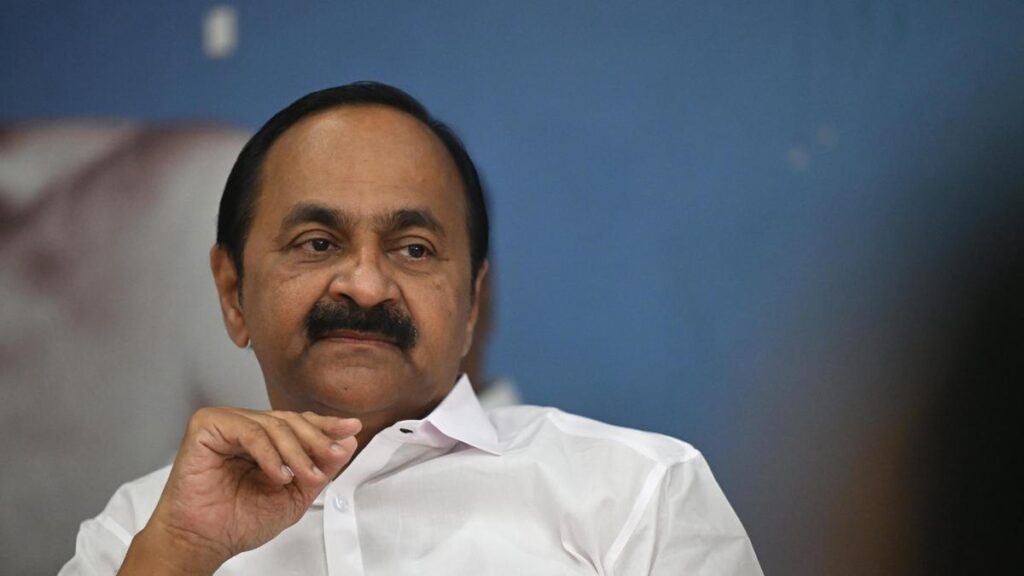
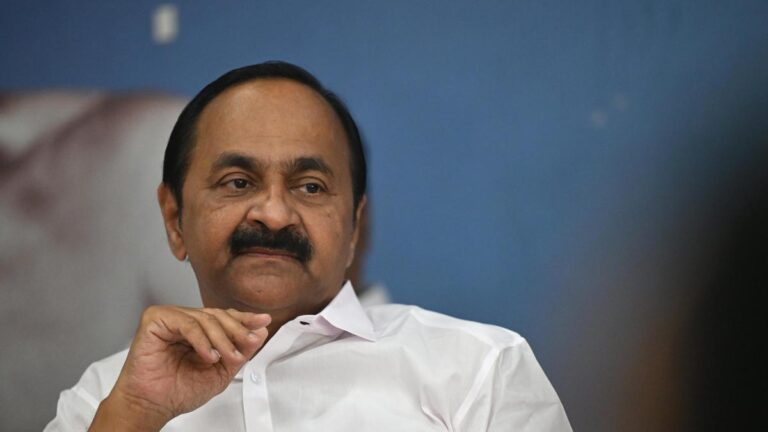
Senior Congress leader V.D. Satheesan was on Thursday chosen as the new Chief Minister of Kerala after the Congress-led United Democratic Front (UDF) secured a decisive mandate in the Assembly elections, ending the Left Democratic Front’s long spell in power in the state.
The announcement came after days of consultations within the Congress leadership and discussions with alliance partners over who would lead the new government. Satheesan, who served as Leader of the Opposition in the outgoing Assembly, emerged as the preferred choice among legislators and senior party leaders, reflecting the Congress party’s push for a younger and more aggressive leadership style in Kerala politics.
A six-time MLA from Paravur in Ernakulam district, Satheesan has been one of the most visible faces of the Congress in Kerala over the past few years. Known for his sharp attacks on the Left government inside the Assembly and his active presence on public issues, he played a central role in rebuilding the Congress-led opposition after the 2021 Assembly election defeat.
Party leaders said his appointment was influenced by multiple political and organisational factors. Foremost among them was his growing popularity among grassroots workers and younger voters. During the election campaign, Satheesan emerged as the principal campaign face of the UDF, travelling extensively across the state and leading the opposition’s attacks on issues such as corruption allegations, rising prices, unemployment and governance concerns.
Senior Congress leaders believed that the election verdict was closely linked to Satheesan’s leadership and communication style. His direct approach and consistent criticism of the ruling Left government helped the Congress regain lost political ground in several districts where the party had struggled in recent years.
The Congress leadership also viewed Satheesan as a leader capable of bringing balance between experienced politicians and a younger generation within the organisation. Over the years, factional rivalry has often weakened the Congress in Kerala, but Satheesan managed to maintain working relations with different camps despite internal disagreements.
Sources in the party said the leadership wanted to avoid prolonged factional conflict after the election victory and therefore looked for a candidate who could command wider acceptance within the UDF alliance.
Alliance dynamics also played a role in the decision. Key UDF partners, including the Indian Union Muslim League (IUML) and Kerala Congress factions, were believed to be comfortable with Satheesan’s leadership. Congress strategists felt that his image as a consensus-builder would help maintain stability in the coalition government.
Another important factor behind his elevation was the Congress party’s attempt to project a generational transition in Kerala. At a time when several regional parties are promoting younger leadership, the Congress leadership felt the state unit required a leader who could connect with first-time voters while also carrying legislative experience.
Unlike many former chief ministers in Kerala, Satheesan has never held a ministerial portfolio. However, supporters within the party argue that his long experience in the Assembly, legal background and organisational work prepared him for the role. Over the years, he built a reputation as a strong debater and an accessible political leader, particularly among party workers in central Kerala.
Political observers noted that Satheesan’s rise also reflects changing power equations within the Kerala Congress. Traditional senior leaders continued to wield influence, but the election result strengthened demands from party workers for leadership renewal and a more energetic political strategy.
Soon after being chosen leader of the Congress Legislature Party, Satheesan thanked the party leadership and alliance workers for their support. He said the new government would focus on development, employment generation, welfare programmes and financial recovery while ensuring transparent governance.
The new chief minister is expected to face several immediate challenges, including the state’s financial pressures, unemployment concerns and demands for infrastructure expansion. Maintaining coordination among coalition partners and balancing competing interests within the Congress organisation will also be critical for the stability of the government.
For the Congress, Satheesan’s appointment represents more than a leadership change. The party sees it as an opportunity to present a renewed political image in Kerala after years in opposition. His elevation signals the leadership’s belief that a more assertive and people-centric approach can help strengthen the Congress not only in the state but also in national politics in the coming years.
About the Author