When people talk about the Indian Constitution, a few towering names dominate the spotlight. But the document we live by was also shaped quietly and rigorously by many others whose contributions were crucial, yet rarely celebrated. Here are some lesser-known contributors, what they actually did, and why history tends to sideline them.
B. N. Rau
(Constitutional Adviser to the Constituent Assembly)

What he did
Prepared the initial draft framework of the Constitution.
Studied constitutions of the US, UK, Ireland, Canada, Australia, and others.
Held consultations with jurists like Justice Felix Frankfurter (US Supreme Court).
Suggested key ideas such as judicial review and fundamental rights structure.
Why he’s overlooked
Rau wasn’t a member of the Drafting Committee and didn’t make speeches in the Assembly. His work was technical, preparatory, and behind the scenes making it easy to forget, but impossible to replace.
Alladi Krishnaswami Ayyar
(Jurist, Drafting Committee Member)
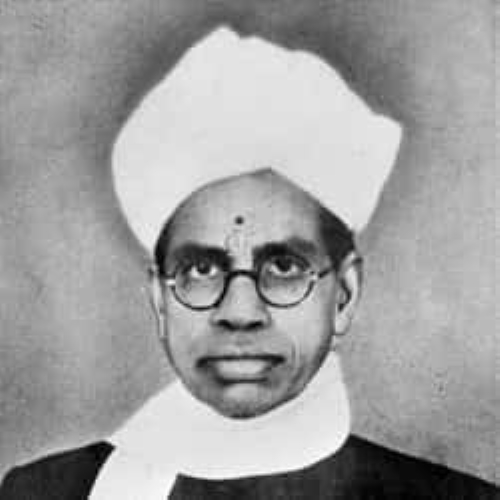
One of India’s most respected constitutional lawyers.
Played a decisive role in shaping Fundamental Rights, Centre State relations, and judicial independence.
Often mediated between opposing ideological positions with legal clarity.
Why he’s overlooked
He lacked the mass political profile of nationalist leaders. His arguments were subtle, legalistic, and consensus driven less dramatic than confrontational speeches.
K. M. Munshi
(Drafting Committee Member, Writer, Nationalist)
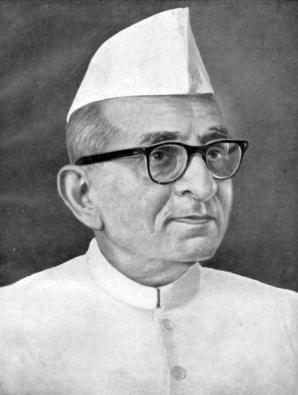
Strong advocate for fundamental rights, especially cultural and religious freedoms.
Influenced debates on uniform civil code, secularism, and citizenship.
Helped articulate constitutional language balancing tradition and modernity.
Why he’s overlooked
Munshi was a polymath novelist, educationist, politician. His constitutional role often gets diluted by his many other public identities.
Durgabai Deshmukh
(Constituent Assembly Member, Social Reformer)
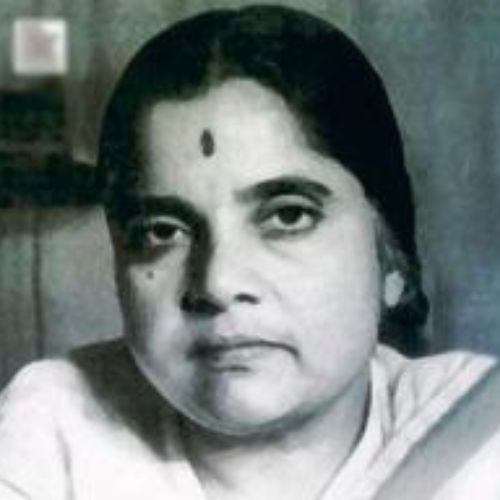
Vocal on women’s rights, education, and social welfare.
Pushed for accessible justice and legal literacy.
Later founded institutions that linked constitutional ideals to real governance.
Why she’s overlooked
Women members of the Assembly were few, and their contributions were often framed as “social” rather than “constitutional,” even when they shaped core principles.
S. N. Mukherjee
(Chief Draftsman of the Constitution)

Translated debates, decisions, and amendments into precise legal language.
Ensured internal consistency across 395 Articles and 8 Schedules (originally).
Worked closely with Ambedkar to finalize wording.
Why he’s overlooked
Drafting is invisible work. Mukherjee didn’t frame ideas—he made them legally workable, a role history often treats as clerical rather than intellectual.
Hansa Mehta
(Educator, Freedom Fighter, Constitution Framer)

Played a decisive role in shaping gender equality under Fundamental Rights.
Strongly opposed the use of the phrase “all men are born free” in international and constitutional texts.
As India’s delegate to the UN Commission on Human Rights, she influenced the Universal Declaration of Human Rights, ensuring it used “all human beings” instead.
Constitutional impact
Her insistence on gender-neutral language reinforced Article 14 (Equality before Law) and Article 15 (Non-discrimination), ensuring women were not treated as exceptions or dependents.
Why she’s overlooked
Her most influential work straddled India and international institutions, making it harder to place her neatly in nationalist narratives.
Rajkumari Amrit Kaur
(Freedom Fighter, Health Reformer)

Argued passionately for public health as a state responsibility.
Linked constitutional morality with dignity, sanitation, and maternal health.
Later translated constitutional ideals into policy as India’s first Health Minister.
Constitutional impact
Her views fed into Directive Principles dealing with health, nutrition, and humane working conditions.
Why she’s overlooked
Policy execution often eclipses constitutional authorship, especially when done by women.
Ammu Swaminathan
(Women’s Rights Activist, Legislator)

Argued that women’s rights should not be treated as special concessions.
Opposed reserved or protective language that portrayed women as weak dependents.
Advocated full civic equality over paternalism.
Constitutional impact
Helped shape the philosophical basis of equality—women as citizens first, not beneficiaries.
Why she’s overlooked
Her arguments were radical in tone but calm in delivery—less quotable, more foundational.
Begum Aizaz Rasul
(Only Muslim Woman in the Constituent Assembly)

Opposed separate electorates, arguing they would fragment Indian citizenship.
Defended secularism from within a minority perspective.
Advocated a Constitution that treated religion as personal, not political.
Constitutional impact
Strengthened the idea of common citizenship, influencing electoral and secular provisions.
Why she’s overlooked
Partition-era narratives often silence Muslim voices that argued against communal politics.
Vijaya Lakshmi Pandit
(Diplomat, Political Thinker)
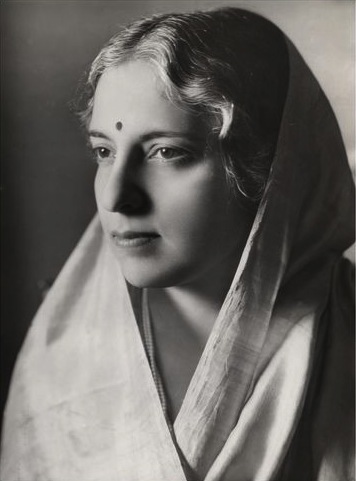
Linked constitutional values to India’s global democratic identity.
Advocated civil liberties and freedom of expression.
Helped position India as a modern constitutional democracy internationally.
Constitutional impact
Reinforced liberal-democratic norms underpinning Part III (Fundamental Rights).
Why she’s overlooked
Her diplomatic fame often overshadows her role as a constitutional thinker.
Why these contributors fade from memory
Narrative simplicity: History prefers a few heroes over collective effort.
Behind-the-scenes labor: Advisors, jurists, and draftsmen rarely make headlines.
Language & access: Many debates were technical, English-heavy, and inaccessible to the public.
Political visibility bias: Mass leaders overshadow institution-builders.
About the Author