Uganda’s Yoweri Museveni Secures Seventh Term Amid Disputed Election and Opposition Outcry
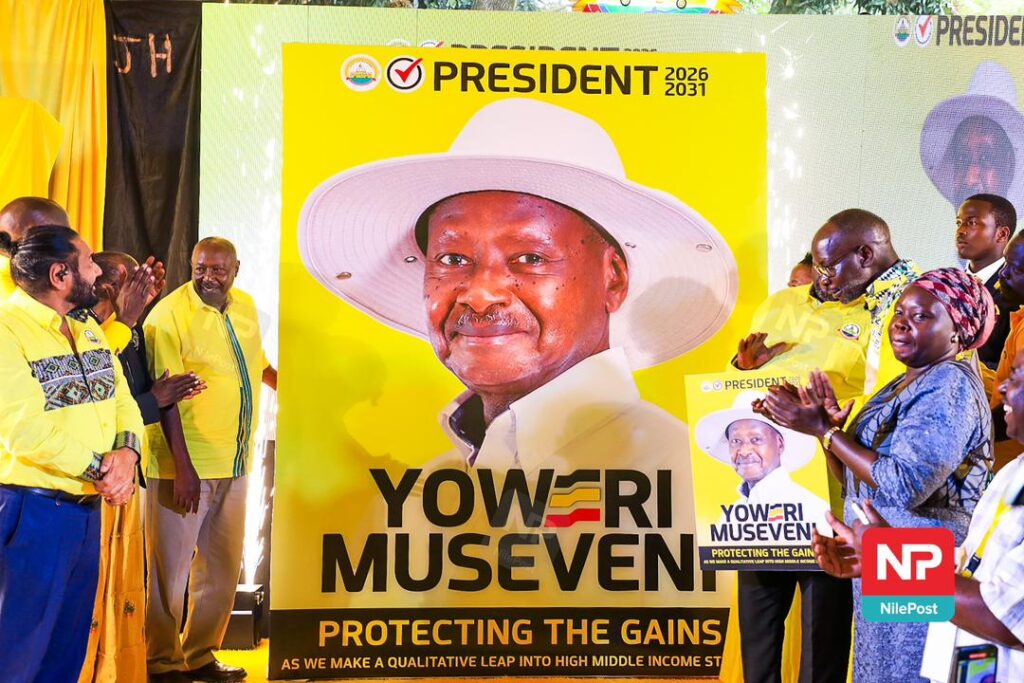
Uganda’s political landscape entered another decisive chapter after the Electoral Commission declared President Yoweri Museveni the winner of the presidential election, granting him a seventh term in office and extending his rule to nearly four decades. The announcement immediately triggered sharp reactions from the opposition, civil society groups, and sections of the international community, who raised concerns over the conduct of the election and the wider campaign environment.
According to official results released by the Electoral Commission of Uganda, Museveni won a clear majority of the votes cast, defeating his closest rival Robert Kyagulanyi, popularly known as Bobi Wine. The commission maintained that the electoral process was conducted in line with the country’s laws and reflected the will of the electorate. However, opposition leaders rejected the outcome, alleging systematic irregularities and intimidation that, they say, undermined the credibility of the vote.
A Longstanding Leader and a Familiar Contest
Museveni, who first took power in 1986 after a guerrilla war, campaigned on his record of bringing relative stability to Uganda following years of turmoil. His message during the campaign emphasised security, economic growth, infrastructure development and Uganda’s emerging oil sector, which his supporters argue could transform the country’s economy in the coming years.
The president’s rallies often highlighted roads, electricity expansion and regional peacekeeping efforts, portraying continuity as essential in a region frequently shaken by conflict. The ruling National Resistance Movement framed the election as a choice between experience and what it described as risky experimentation.
For many Ugandans, however, the election was also a referendum on Museveni’s longevity in power. Constitutional changes over the years removed presidential term limits and age restrictions, allowing him to contest again. Critics argue that these reforms weakened democratic safeguards and tilted the political playing field heavily in favour of the incumbent.
Bobi Wine and the Opposition Challenge
Bobi Wine emerged as the face of opposition resistance, drawing strong support from young voters, urban residents and first-time participants in the political process. A former musician turned lawmaker, Wine campaigned on promises of political change, job creation, accountability and respect for human rights. His movement, the National Unity Platform, became a symbol of generational change in a country where the majority of citizens are under 30.
Throughout the campaign, opposition figures repeatedly accused security forces of disrupting rallies, arresting supporters and limiting their ability to organise freely. Wine himself reported being placed under heavy security surveillance, while several of his campaign events were blocked or broken up by police, citing violations of public order regulations.
Despite these obstacles, Wine’s campaign managed to mobilise large crowds, particularly in Kampala and other urban centres, underscoring deep frustrations over unemployment, corruption and rising living costs.
Campaign Tensions and Use of State Power
The election period was marked by heightened security across the country. Police and military deployments increased as voting day approached, with authorities insisting the measures were necessary to maintain peace. Opposition parties and rights advocates countered that the security presence created an atmosphere of fear, discouraging open political participation.
Several incidents of violence were reported during the campaign, including clashes between opposition supporters and security personnel. Human rights groups documented cases of arbitrary arrests and alleged enforced disappearances of activists, claims the government has consistently denied or downplayed.
Media freedom also became a contentious issue. Journalists covering opposition activities complained of harassment, while some radio stations faced temporary suspensions for airing political content deemed critical of the authorities.
Voting Day and the Internet Blackout
On polling day, Ugandans turned out early at voting centres across the country. While voting proceeded peacefully in many rural areas, delays were reported in some urban constituencies due to late delivery of materials and technical problems with voter identification devices.
A major point of controversy was the nationwide restriction on internet access and social media platforms. The government justified the shutdown as a precautionary step to prevent misinformation and unrest. Critics argued that it severely limited transparency, hindered independent reporting and made it difficult for opposition parties to collect and transmit results from polling stations.
Opposition polling agents reported being denied access to some counting centres, while others claimed they were forcibly removed. The Electoral Commission acknowledged isolated logistical challenges but said they did not affect the overall outcome.
Declaration of Results and Immediate Fallout
When the Electoral Commission announced Museveni’s victory, government supporters celebrated in parts of the country, hailing what they described as a decisive mandate. Museveni, in his first remarks after the announcement, thanked voters and called for unity, urging Ugandans to move forward together.
The opposition response was swift and defiant. Bobi Wine rejected the results, stating that the election had been “neither free nor fair.” He accused state agencies of manipulating the process and vowed to challenge the outcome through legal and political means. Security forces were deployed around his residence, citing concerns over potential unrest, a move that further inflamed tensions.
International Reactions and Rights Concerns
Regional and international observers adopted a cautious tone. While congratulating Uganda on completing the electoral process, several organisations expressed concern over reports of violence, restrictions on freedoms and the internet shutdown. Calls were made for dialogue, restraint and investigations into alleged abuses.
Human rights organisations urged the government to reopen civic space, release any unlawfully detained individuals and ensure accountability for election-related violence. They warned that continued suppression of dissent could deepen political divisions and erode public trust in democratic institutions.
What the Seventh Term Means for Uganda
Museveni’s new term ensures policy continuity, particularly in security and economic planning. Supporters argue that stability will attract investment and allow long-term projects, such as oil extraction and regional trade initiatives, to move forward without disruption.
For critics, the election outcome reinforces concerns about democratic backsliding and the narrowing of political space. Questions about succession, governance reforms and youth inclusion remain unresolved, and analysts warn that ignoring these issues could fuel future unrest.
As Uganda embarks on another five years under its long-serving leader, the election has once again highlighted the country’s central political dilemma: balancing stability with genuine democratic competition. Whether Museveni’s seventh term will ease or intensify these tensions will shape Uganda’s political trajectory in the years ahead.
About the Author