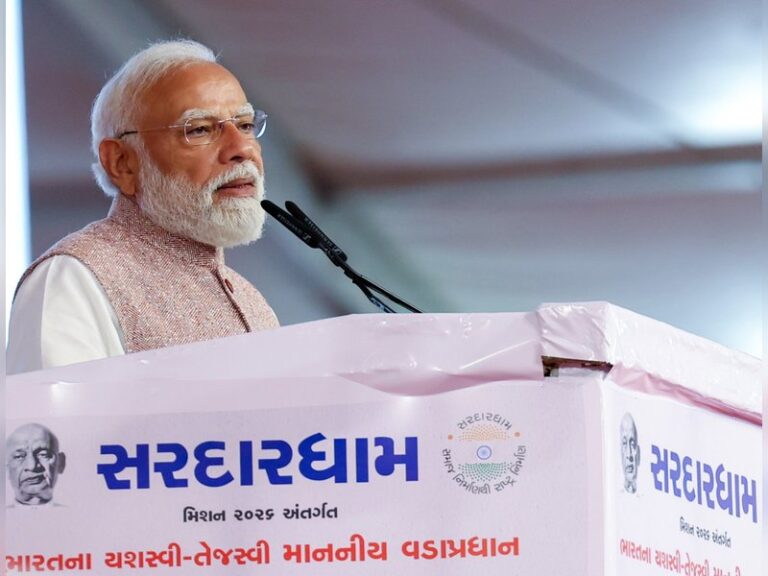
India Prepares to Bring Back Citizens from Iran
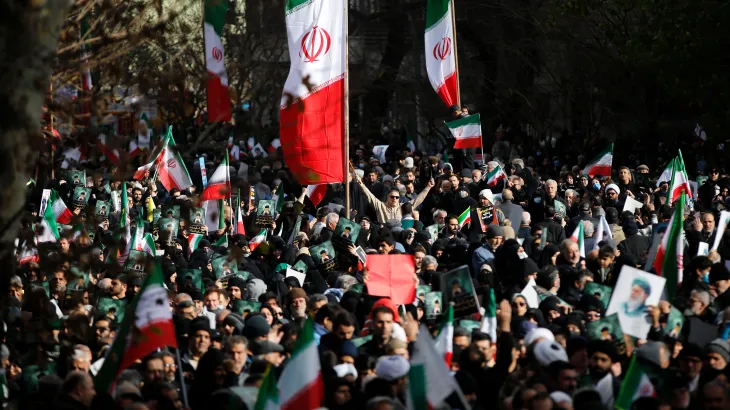
India Moves to Evacuate Nationals from Iran as Tehran Shuts Airspace
India has begun urgent measures to evacuate its nationals from Iran after the Iranian authorities announced the closure of their airspace amid escalating regional tensions. The move has triggered widespread disruption to international aviation, with Indian carriers facing compounded challenges because Pakistan has also kept its airspace closed to Indian flights. Together, the twin closures have forced airlines to undertake long detours, increased travel time, and raised operational costs, while placing thousands of Indian citizens in Iran on alert.
The India government, through its diplomatic missions in Tehran and neighbouring countries, has advised Indian nationals to remain in touch with embassy officials and follow local advisories. Special evacuation plans are being worked out, including land routes to safer locations and onward travel by air where feasible. Officials said the safety of Indians abroad remains the top priority and that the situation is being monitored round the clock.
Evacuation plans take shape
According to official sources, the Indian mission in Tehran has activated emergency helplines and begun mapping the location of Indian students, professionals, pilgrims and workers across Iran. Many Indians in the country are enrolled in medical and technical institutions, while others are employed in infrastructure, trade and small businesses. The embassy has asked citizens to avoid unnecessary travel and to keep documents ready in case of short-notice movement.
While no mass airlift has yet been announced, officials indicated that evacuation could take place in phases depending on how long the Iranian airspace remains shut. One option under consideration is the movement of Indian nationals by road to neighbouring countries where airspace remains open, followed by chartered or commercial flights back home. Similar strategies were used during previous crises in the region, including evacuations from conflict zones in West Asia.
Why Iran closed its airspace
Iran’s decision to suspend civilian flights comes against the backdrop of heightened military and political tensions in the region. Airspace closures are typically imposed to prevent civilian aircraft from being caught in the crossfire during missile launches, drone activity or other military operations. The move has not only grounded flights to and from Iran but also disrupted overflights that use Iranian skies as a key corridor between South Asia, Europe and parts of North America.
For Indian aviation, Iranian airspace is strategically important. Several long-haul routes operated by Indian carriers to Europe, Central Asia and the Middle East routinely pass over Iran, helping airlines save time and fuel. With that option suddenly unavailable, flight planners have been forced to redraw routes at short notice.
Pakistan’s airspace closure adds to strain
The disruption has been compounded by Pakistan’s continued closure of its airspace to Indian aircraft. Since Pakistan shut its skies to Indian airlines, carriers have already been taking longer routes via the Arabian Sea or Central Asia for flights to Europe, the United States and parts of West Asia. The additional loss of Iranian airspace has narrowed available corridors even further.
As a result, many flights now have to take extensive detours, sometimes adding up to two to four hours to journey times. Airlines have reported higher fuel consumption, increased crew costs and scheduling challenges. In some cases, technical stops for refuelling may be required, especially for ultra-long-haul flights.
Impact on Indian airlines and passengers
Indian airlines, including full-service and low-cost carriers, are scrambling to manage the operational fallout. Aviation experts say sustained airspace restrictions could significantly affect profitability, particularly at a time when global fuel prices remain volatile. Longer routes not only increase fuel burn but also reduce aircraft utilisation, as planes spend more time in the air and less time available for additional sectors.
Passengers are already feeling the impact. Several flights have been rescheduled, while others are operating with revised departure times. Travellers flying from India to Europe, the Middle East or North America may experience longer journeys, unexpected layovers or changes in arrival timings. Airlines have issued advisories asking passengers to check flight status before heading to airports.
Diplomatic coordination and regional outreach
New Delhi is in close contact with Iranian authorities and other regional governments to facilitate safe movement for Indian citizens. Diplomatic channels are also being used to explore possible humanitarian corridors or limited airspace access for evacuation purposes, should the situation worsen. Officials emphasised that such negotiations are complex and depend on rapidly changing security assessments.
India has also reached out to friendly countries in the region to assist with transit arrangements. Neighbouring states with open airspace and stable conditions could serve as staging points for evacuation flights. The government has experience in coordinating such multinational efforts, having previously evacuated citizens from conflict-hit areas with support from partner nations.
Broader implications for global aviation
The dual airspace closures underline the fragility of global aviation networks, which rely heavily on a few key corridors. When these corridors are shut, the ripple effects are felt far beyond the immediate region. Airlines across Asia and Europe are recalculating routes, while air traffic control authorities are managing congestion in alternative airspaces.
Industry analysts warn that if the situation persists, ticket prices could rise due to higher operating costs. Cargo operations may also be affected, potentially impacting supply chains that depend on timely air freight between South Asia, Europe and West Asia.
Advisory for Indian citizens
The Indian government has urged its citizens in Iran to remain calm but vigilant. Embassy officials have advised people to avoid areas of unrest, follow local laws and stay updated through official communication channels. Families of Indians in Iran have also been reassured that evacuation plans are in place and will be activated as needed.
For travellers planning international journeys from India, authorities recommend allowing extra time for connections and being prepared for last-minute changes. Airlines and airport operators are coordinating closely to minimise inconvenience, though officials acknowledge that some disruption is unavoidable under the circumstances.
The emergency contact helplines of the Indian embassy are: +989128109115, +989128109109, +989128109102, +989932179359. The email ID is: cons.tehran@mea.gov.in.
A developing situation
As regional tensions continue to evolve, both the evacuation of Indian nationals and the impact on aviation remain fluid. The government has indicated that decisions will be guided by real-time intelligence and the safety of citizens. While officials hope for a quick stabilisation that would allow airspace to reopen, contingency planning is underway for a prolonged disruption.
For now, India’s focus remains on ensuring that its nationals in Iran are safe and that the aviation system adapts to unprecedented constraints. The coming days will be crucial in determining whether diplomatic efforts can ease restrictions or whether airlines and governments must brace for a longer period of uncertainty in the skies.
About the Author