From Temple Prasad to Premium Plates: How Makhana Became India’s Superfood
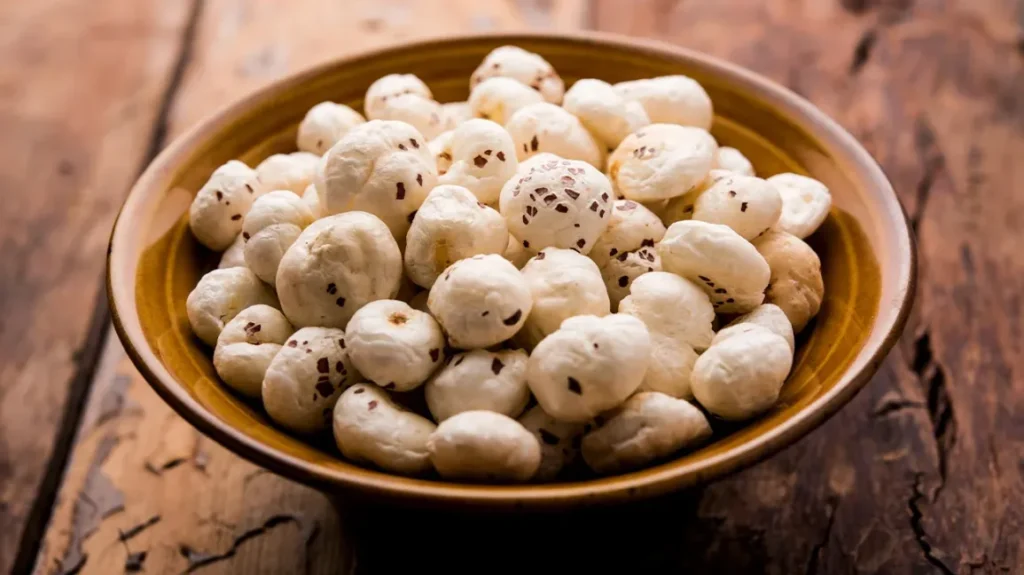
Not very long ago, makhana sat quietly on the fringes of Indian kitchens. It appeared mostly during religious fasts, as prasad in temples, or as a humble snack roasted lightly with salt. Today, that same makhana also known as fox nuts or lotus seeds has made a remarkable leap. It is now stocked in luxury grocery aisles, recommended by nutritionists, featured in celebrity diets, and sold at prices that often shock consumers. What was once a modest, regional produce has transformed into one of India’s most talked-about superfoods.
The journey of makhana from ponds of Bihar to premium shelves across urban India is a story shaped by health awareness, changing lifestyles, global trends, and deep-rooted supply challenges. Its rising cost is not accidental it reflects both its newfound status and the complex reality behind its production.
A Traditional Food Finds Modern Relevance
Makhana has always been part of India’s culinary and cultural fabric. For centuries, it has been consumed during vrat (fasting), offered in rituals, and used in traditional dishes like kheer, sabzi, and laddoos. Ancient Ayurvedic texts describe makhana as cooling, strengthening, and beneficial for digestion and vitality.
What changed was not the food itself, but how India began to look at food.
Over the last decade, Indians have become more conscious of what they eat. Rising lifestyle diseases such as diabetes, obesity, and heart problems pushed people to seek healthier alternatives to fried snacks and sugar-heavy foods. Makhana entered this space almost perfectly. It is low in calories, low in fat, gluten-free, and rich in protein, fiber, calcium, and antioxidants. Unlike imported superfoods such as quinoa or chia seeds, makhana was homegrown and that made it even more attractive.
Nutritionists started recommending it as a guilt-free snack. Fitness enthusiasts replaced chips with roasted makhana. Mothers found it safer for children, and elders found it easy to digest. Slowly but steadily, makhana moved from religious fasting days to everyday diets.
The Superfood Label and Its Power
Once makhana was branded a “superfood,” its fate was sealed. The term carries enormous marketing power. Superfoods are no longer just foods; they are lifestyle statements. They promise wellness, longevity, and balance in a world full of stress and processed meals.
Food startups and FMCG brands saw the opportunity early. Plain makhana evolved into flavored variants peri-peri, cheese, caramel, mint, turmeric, and even chocolate-coated versions. Attractive packaging replaced gunny sacks. Prices rose, but so did demand.
Urban consumers were willing to pay more for a snack that felt healthy, Indian, and premium. Social media amplified this shift. Influencers shared makhana recipes, diet plans, and snack hacks. What once cost a few hundred rupees per kilogram began selling in small packets at much higher per-unit prices.
Bihar: The Heart of Makhana Production
Despite its nationwide popularity, makhana’s production remains geographically limited. Bihar produces nearly 85–90 percent of India’s makhana, especially in districts like Darbhanga, Madhubani, Purnea, and Katihar. The crop grows in shallow ponds where lotus plants flourish. Cultivation is labor-intensive, seasonal, and physically demanding.
Farmers spend hours standing in water to collect raw seeds. These seeds then go through multiple stages of drying, roasting, cracking, and grading mostly done by hand. Unlike mechanized crops, makhana still depends heavily on traditional skills passed down generations.
This limited production base creates a natural supply bottleneck. As demand grows across India and abroad, production struggles to keep pace. The result is simple economics: higher demand, restricted supply, higher prices.
From Farmer to Retail Shelf: A Long Journey
The price a consumer pays rarely reflects what the farmer earns. Middlemen, processors, wholesalers, brands, and retailers all take a cut. While makhana appears expensive in cities, farmers often still struggle with unstable incomes and lack of modern infrastructure.
There are efforts to change this. Farmer cooperatives, government-backed processing units, and GI tagging initiatives aim to improve farmer earnings and standardize quality. Bihar’s makhana has already received a geographical identity boost, which may help regulate pricing and protect producers in the long run.
A Symbol of India’s Food Evolution
Makhana’s rise mirrors a larger shift in India’s food economy. Traditional foods are being rediscovered, rebranded, and repositioned for modern lifestyles. Millets, jaggery, cold-pressed oils, and fermented foods are all part of this movement.
What makes makhana unique is how quickly it moved from obscurity to stardom. It bridges ancient wisdom and modern nutrition, rural labor and urban consumption, simplicity and luxury.
Yes, makhana has become expensive. But its price tells a deeper story of hard manual work in muddy ponds, of changing food habits, of global recognition, and of a nation learning to value what it always had.
As India debates affordability and access, one thing is clear: makhana is no longer just a snack. It is a symbol of how Indian food is redefining health, heritage, and value in the 21st century.
About the Author