Why is Bangladesh Staying Away from the T20 World Cup in India?
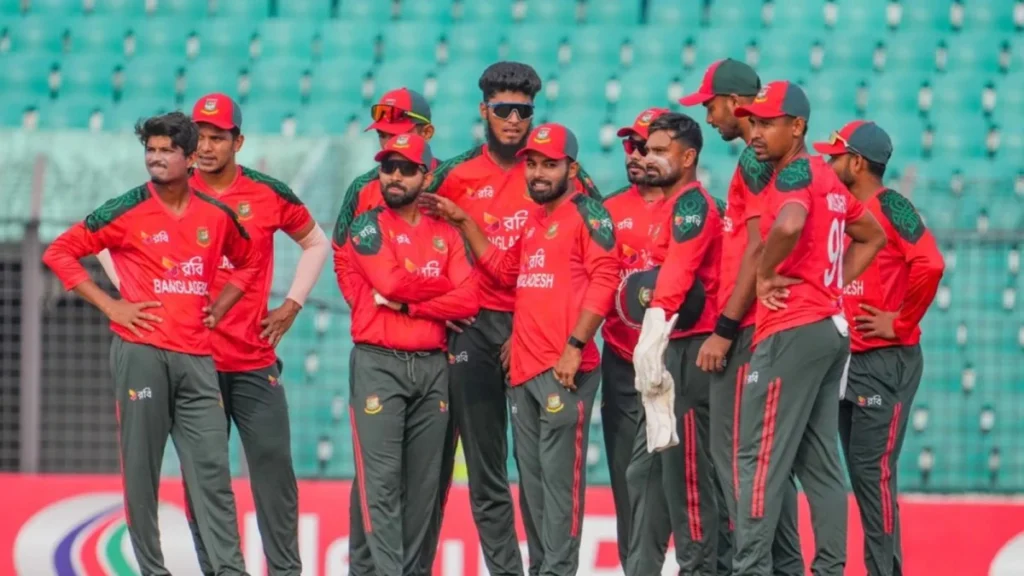
Cricket between India and Bangladesh has always carried layers beyond the boundary rope. It is a sport that reflects shared history, political sensitivities, people-to-people ties and, at times, unresolved anxieties. In recent weeks, that delicate balance appears to have been disturbed again, with Bangladesh reportedly deciding not to play the upcoming T20 World Cup matches in India, citing safety concerns. At the same time, Bangladeshi players have been barred from participating in the Indian Premier League (IPL), and fast bowler Mustafizur Rahman has been removed from the tournament’s roster. Together, these developments mark one of the most strained moments in cricketing relations between the two neighbours in recent memory.
For fans on both sides of the border, the news has come as a shock. Cricket is often viewed as the last remaining bridge when diplomacy falters. When politics turns bitter, a match, a handshake, or even a shared celebration can soften edges. But the current situation suggests that even cricket is no longer insulated from wider concerns around security, trust, and national sentiment.
At the heart of the matter is Bangladesh’s decision to stay away from playing T20 World Cup matches in India. While official statements have been carefully worded, the message is clear: safety of players and officials is being prioritised above all else. The Bangladeshi cricket board has indicated that recent developments, including heightened political tensions and security advisories, have made them uncomfortable about sending their team to India for such a high-profile global event.
This is not a decision taken lightly. World Cups are the pinnacle of international cricket, not just in terms of prestige but also revenue, exposure, and player development. For a team like Bangladesh, which has worked hard over the last decade to establish itself as a competitive force in white-ball cricket, missing out on matches hosted in India is a major setback. Yet, from Dhaka’s perspective, no sporting milestone is worth risking the safety or mental well-being of players.
Indian authorities and cricket administrators, on their part, have maintained that India is fully capable of hosting international teams safely. India has successfully organised major sporting events, including World Cups, IPL seasons, and bilateral series involving multiple countries, without major security incidents. From this standpoint, Bangladesh’s concerns may appear excessive or politically influenced. However, perception often matters as much as reality, especially when player safety is involved.
The issue does not end with the World Cup. The ripple effects have reached the Indian Premier League, the world’s richest and most-watched T20 league. Bangladeshi players have not been allowed to participate in the IPL this season, effectively shutting the door on a platform that has transformed careers and financial futures for cricketers around the globe. For Bangladeshi players, the IPL is not just a league; it is a chance to test themselves against the best, gain international exposure, and bring back invaluable experience to their national team.
Among those affected most visibly is Mustafizur Rahman, one of Bangladesh’s most recognisable cricketing exports. Known for his deceptive cutters and calmness under pressure, Mustafizur had carved a special place for himself in the IPL over the years. His performances had not only earned him respect from teammates and opponents but had also made him a fan favourite in several franchises. His removal from the IPL roster has therefore been deeply felt, not just in Bangladesh but among Indian fans who admired his skill and humility.
For Mustafizur, this is more than a professional disappointment. The IPL represents a significant source of income and a stage to remain relevant in the rapidly evolving world of T20 cricket. Being left out, especially due to factors beyond performance or fitness, can be emotionally draining. It also sends a broader message to Bangladeshi players that geopolitical tensions can abruptly derail their careers, regardless of how hard they work on the field.
From the Indian perspective, the exclusion of Bangladeshi players and Mustafizur Rahman in particular is being viewed through a complex lens. Some argue that in times of heightened security concerns, tough decisions are unavoidable. Others believe that mixing politics and cricket sets a dangerous precedent, one that undermines the spirit of the game. Cricket in the subcontinent has always thrived on rivalry, passion, and emotion, but it has also depended on mutual respect and openness.
What makes this situation particularly painful is the shared cricketing history between the two nations. Bangladesh’s journey in international cricket has been closely intertwined with India’s support, especially in its early years. Indian domestic tournaments once provided platforms for Bangladeshi players, and Indian coaches and administrators played roles in shaping Bangladesh cricket. Over time, Bangladesh grew into a confident side, capable of beating India on its day, adding a competitive edge to the relationship.
Yet, the relationship has also seen moments of tension, often fuelled by close matches, controversial decisions, and aggressive on-field exchanges. These incidents, magnified by social media and partisan commentary, have sometimes spilled into public discourse, affecting how fans perceive each other. In such an environment, safety concerns whether fully justified or not can gain traction quickly.
The broader impact of Bangladesh staying away from playing in India and its players missing the IPL goes beyond immediate fixtures. It risks isolating Bangladeshi cricket at a time when the sport is becoming increasingly globalised and commercially driven. Young Bangladeshi cricketers dream of playing in leagues like the IPL, not only for money but for growth. If doors begin to close due to political or security issues, those dreams could be delayed or denied.
For India, too, there is a cost. The IPL has built its brand on diversity players from different countries, cultures, and playing styles coming together. The absence of Bangladeshi players slightly diminishes that inclusivity. International cricket, meanwhile, loses one more opportunity to use sport as a soft power tool, a way to keep dialogue alive even when official channels are strained.
At a human level, it is the players who bear the brunt. Cricketers spend their lives preparing for moments like World Cups and IPL seasons. They train, travel, and sacrifice personal time in pursuit of excellence. When decisions taken far away from the dressing room affect their careers, frustration is inevitable. For Bangladeshi players watching the IPL from home or preparing for a World Cup they will not play in India, the sense of exclusion can be deeply demoralising.
Looking ahead, the hope is that this phase proves temporary. Cricket has survived wars, boycotts, and political standoffs in the past. It has a unique ability to heal, provided administrators and governments are willing to engage constructively. Clear communication, confidence-building measures, and a commitment to separating sport from politics could help restore trust.
Bangladesh not playing T20 World Cup matches in India, the barring of its players from the IPL, and the removal of Mustafizur Rahman are stark reminders that cricket does not exist in a vacuum. It reflects the world around it, with all its complexities and contradictions. Whether this episode becomes a turning point for better understanding or a prolonged period of estrangement will depend on choices made off the field as much as performances on it.
For now, fans can only wait, hoping that the game they love will once again bring people together, rather than keep them apart.
About the Author