Beyond the Taps: The Human Cost of Indore’s Water Crisis and a Broken Public Trust
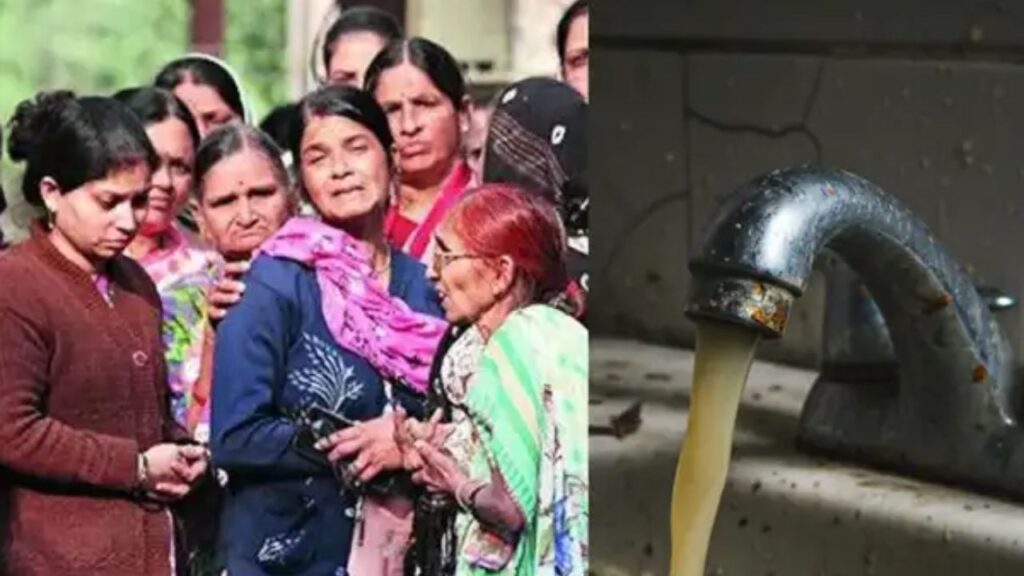
The residents of Bagirathpura in Indore woke up one morning expecting the ordinary rhythm of daily life, only to be confronted by an unsettling reality flowing directly from their taps. Instead of clear, usable water, many households reported foul-smelling, discoloured water that made routine tasks like cooking, bathing, or even washing hands deeply distressing. The sharp odour, described by residents as chemical-like and sewage-mixed, quickly spread panic and anger across the locality, turning a basic civic service into a matter of public health concern in Indore.
For families in Bagirathpura, water from the tap is not a luxury but a lifeline. Early morning routines were abruptly disrupted as people found themselves unable to prepare tea, pack lunchboxes, or send children to school without fear of exposing them to unsafe water. Many residents said the smell was so overpowering that even standing near the tap caused nausea. Some noticed a yellowish or muddy tint, while others complained of an oily film floating on the surface. The shock was compounded by the fact that this was not the first time the area had experienced such a problem, though never on this scale.
As word spread, residents gathered in lanes and at street corners, sharing similar experiences and voicing frustration. Elderly residents recalled times when municipal water supply, though irregular, was at least safe to use. Young parents expressed anxiety over infants and toddlers who are especially vulnerable to waterborne diseases. Several families immediately stopped using tap water altogether, relying instead on bottled water or borrowing from relatives in other parts of the city. For daily wage earners and low-income households, this sudden dependence on purchased water added an unexpected financial burden.
The foul odour sparked fears of contamination, possibly due to sewage mixing with drinking water pipelines. Residents pointed to old, rusted pipelines running alongside drainage lines, arguing that years of neglect have finally taken their toll. Some locals claimed that recent repair work in nearby areas may have damaged underground pipes, allowing waste water to seep into the supply line. While these claims are yet to be officially confirmed, the anxiety they generated was real and widespread.
Women, who are often responsible for managing household water, bore the brunt of the crisis. Many described the helplessness of having water available but being unable to use it. Washing clothes became impossible as the smell clung to fabric. Utensils cleaned with the water retained an unpleasant stench, raising doubts about hygiene. Even flushing toilets with the same water felt unsafe to some, as the odour lingered throughout the house.
Health concerns soon dominated conversations. Residents worried about the risk of diarrhoea, skin infections, and other waterborne illnesses. A few reported minor symptoms such as stomach discomfort and headaches, though it was unclear if these were directly linked to the water. Doctors in the area advised people to avoid consuming tap water and to boil or filter it thoroughly if no alternative was available. The fear of a larger health outbreak loomed large, especially with children and the elderly at risk.
Public anger grew as residents demanded immediate action from civic authorities. Calls and complaints poured into municipal offices, with people seeking answers and accountability. Many questioned how such contamination could occur in a city that prides itself on cleanliness and has earned national recognition for sanitation efforts. For residents, the irony was bitter: a city celebrated for cleanliness was failing to provide clean drinking water in their neighbourhood.
Municipal officials eventually visited the area, collecting water samples for testing and assuring residents that the issue was being addressed. Temporary measures, such as flushing pipelines and supplying water through tankers, were announced. While these steps offered some relief, they also highlighted the reactive nature of the response. Residents argued that tanker supply was irregular and insufficient, forcing long queues and occasional disputes among neighbours.
Trust between citizens and authorities appeared strained. Some residents felt reassurances were vague, lacking clear timelines or explanations. Others questioned why routine monitoring had failed to detect the problem earlier. Civic activists in the area called for a thorough audit of the water supply network, stressing that patchwork repairs would only postpone the next crisis.
The situation in Bagirathpura is not just about foul-smelling water; it reflects deeper issues of urban infrastructure, maintenance, and communication. Rapid urban expansion, ageing pipelines, and increasing pressure on resources have made water management a complex challenge. When these systems fail, the consequences are felt most acutely by ordinary citizens whose daily lives depend on reliable public services.
As days passed, residents continued to hope for a permanent solution. Conversations shifted from immediate survival to long-term accountability. People spoke of the need for pipeline replacement, better monitoring systems, and transparent communication from authorities. Many said they did not want sympathy or temporary fixes, but assurance that their children would not have to face the same crisis again.
In the end, the foul water crisis in Bagirathpura served as a stark reminder that access to clean, safe water is a fundamental right, not a privilege. For the residents who endured the stench, the anxiety, and the disruption, the episode will not be easily forgotten. Their demand is simple yet profound: that when they turn on the tap, what flows out should sustain life, not threaten it.
About the Author