2025: A Year the World Paused, Pivoted, and Pushed Forward

The year 2025 will be remembered not for one dramatic turning point, but for a sequence of moments that together reshaped the global mood. It was a year when the world appeared to slow down just enough to take stock of itself, even as crises, innovation, and uncertainty continued to overlap. Politics felt fragile, technology advanced faster than comfort allowed, climate change became deeply personal, and societies everywhere questioned what progress really meant.
A Politically Restless World
Politics in 2025 reflected a global sense of impatience. Across continents, elections, cabinet reshuffles, and leadership transitions revealed voters who were no longer satisfied with slogans. Inflation, unemployment, migration, and national security dominated debates, often pushing ideology into the background.
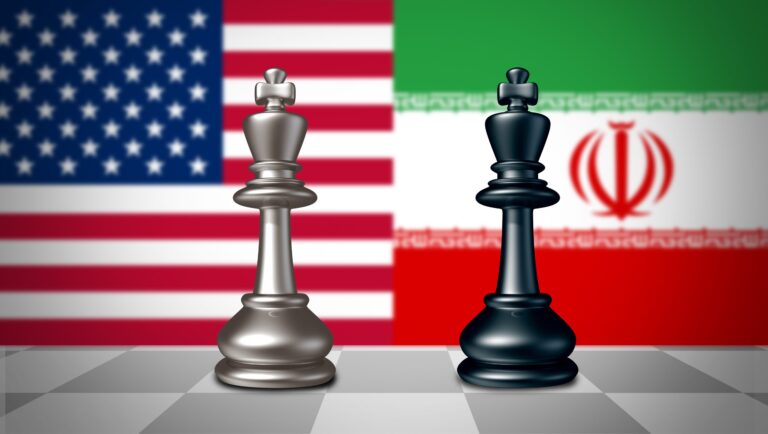
International diplomacy struggled to keep pace with this restlessness. Institutions like the United Nations faced criticism for being slow and divided, yet they remained central to crisis management and conflict mediation. Long-running wars continued to cast long shadows, while new regional tensions surfaced over borders, resources, and influence.
Still, 2025 was not defined only by confrontation. In several regions, quiet diplomatic efforts prevented conflicts from spiralling further. While peace remained elusive in many places, the year showed that restraint, though less visible than aggression, was still at work behind the scenes.
Climate Change Moves From Headlines to Homes
If there was one issue that cut across borders and politics in 2025, it was climate change. Extreme weather was no longer abstract or distant. Heatwaves disrupted work and school schedules, floods forced mass evacuations, and droughts threatened food security.
Scientific assessments released during the year confirmed what communities already felt: climate change was accelerating. Governments spoke more urgently about adaptation, not just mitigation. Urban planning began to factor in heat resilience and water conservation, while farmers experimented with climate resilient crops.
Public pressure intensified. Climate protests were less about symbolism and more about survival, especially in vulnerable regions. The conversation shifted from “why act” to “how fast can we act,” marking a psychological turning point in global climate awareness.
Artificial Intelligence Comes of Age
Perhaps no development shaped everyday life in 2025 as much as artificial intelligence. AI tools became deeply embedded in workplaces, education systems, healthcare, and media. Tasks that once required hours were completed in minutes, and decision making increasingly relied on algorithms.
This rapid adoption triggered global debate. Governments worked to design guardrails around AI, focusing on privacy, transparency, and accountability. Questions about job displacement became more urgent as automation spread beyond factories into offices and creative industries.
What made 2025 different was the tone of the conversation. The debate was no longer about whether AI would change society, but how humans could adapt without losing agency. For many, the year marked a redefinition of work, creativity, and even intelligence itself.
Economic Unease and Adjustment
The global economy in 2025 remained uneven. Some countries showed signs of recovery after years of disruption, while others struggled with debt, inflation, and slow growth. The cost of living remained a dominant concern, shaping political narratives and household choices.
Businesses adjusted their strategies. Supply chains became shorter and more regional, prioritising reliability over low costs. Green energy and digital services attracted investment, creating new jobs even as traditional sectors contracted.
For ordinary people, economic headlines translated into cautious spending and uncertain planning. Yet, there was also resilience. Small businesses adapted quickly, informal economies innovated, and communities leaned on local networks more than before.
Conflicts and Humanitarian Strain
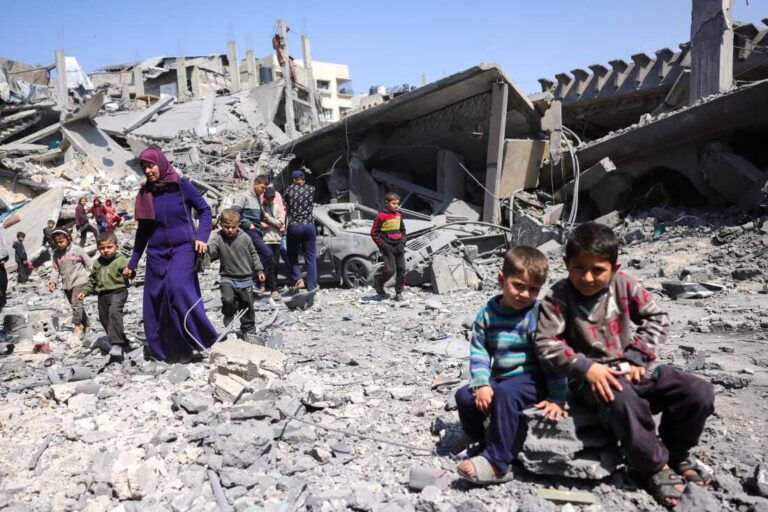
Humanitarian crises continued to test global compassion in 2025. Ongoing conflicts displaced millions, stretching aid systems thin. Health emergencies, both physical and psychological, compounded the suffering of vulnerable populations.
Organisations such as the World Health Organization played a crucial role in coordinating responses, from disease monitoring to emergency care. At the same time, aid workers warned of donor fatigue as crises multiplied faster than resources.
One of the defining emotions of the year was exhaustion not just among those affected, but also among observers. The challenge for 2025 was not indifference, but overload. The world struggled to sustain empathy in the face of constant emergencies.
Science, Space, and Long-Term Thinking
Amid uncertainty on Earth, science offered moments of optimism. Space missions launched in 2025 expanded knowledge of the universe and strengthened international collaboration beyond political divides. Space exploration increasingly focused on shared data and long-term benefits rather than competition alone.
Medical science also made notable strides. Advances in early diagnosis, personalised medicine, and AI-assisted research accelerated discovery. While these breakthroughs did not immediately reach everyone, they reinforced faith in science as a collective human endeavour.
These developments reminded the world that progress often unfolds quietly, driven by persistence rather than spectacle.
Cultural Shifts and Social Reflection
Culturally, 2025 was a reflective year. Films, books, and music explored themes of burnout, identity, and belonging. Audiences gravitated towards stories that felt honest and grounded rather than grand or escapist.
Social media remained influential, but users became more cautious. Concerns over misinformation and digital fatigue led many to seek smaller, more meaningful online communities. Conversations about mental health gained visibility, slowly reducing stigma in workplaces and schools.
Society appeared to be reassessing its values, asking not just what is possible, but what is sustainable emotionally, socially, and ethically.
A Year That Asked Hard Questions
Looking back, 2025 may not stand out for dramatic resolutions. Instead, it will be remembered as a year of reckoning. The world confronted uncomfortable realities about climate limits, technological power, economic inequality, and human vulnerability.
It was a year that did not provide clear answers, but it clarified the questions. How should power be shared in a fragmented world? How do humans stay relevant in an automated age? How can growth coexist with planetary boundaries?
In many ways, 2025 was a pause between chapters a moment when the world, bruised but wiser, began to rethink the direction it was heading. And in history, such moments often matter more than they seem at the time.
About the Author