When Devotion Met the Dance Floor:Delhi’s Biggest Bhajan Clubbing Event
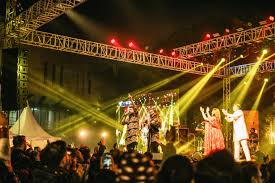
In a city known for constantly reinventing itself, Delhi witnessed a cultural moment that few could have predicted a decade ago. Chanting mantras blended seamlessly with pulsing basslines, diyas glowed under laser lights, and thousands of young people sang bhajans with the same intensity usually reserved for nightclub anthems. Delhi’s biggest bhajan clubbing event was not just a concert it was a reflection of a changing spiritual and social landscape.
A New Language of Devotion
Traditionally, bhajans have been associated with temple courtyards, satsangs, and quiet evening gatherings. The mood was reflective, often solemn, and deeply personal. The Delhi event challenged that image without disrespecting it. Instead, it offered a new language of devotion one that spoke to a generation raised on playlists, festivals, and global sounds.
Electronic beats, synthesizers, and deep bass drops were woven carefully into classical bhajans and kirtans. Familiar lines praising Ram, Krishna, and Shiva echoed through the venue, but this time they were accompanied by rhythmic buildups and crescendos that made the crowd sway, clap, and dance together. The result was not chaos, but collective energy an atmosphere where devotion felt vibrant, youthful, and inclusive.
The Crowd: Faith Beyond Age and Labels
What stood out most was the diversity of the audience. College students in sneakers danced beside middle-aged professionals; first-time attendees shared space with regular temple-goers. Many had never imagined chanting bhajans outside a religious setting, while others found joy in seeing sacred music reach new ears.
For some, the event was spiritual. For others, it was cultural. And for many, it was both. In a city as layered as Delhi, that coexistence felt natural. The bhajan clubbing phenomenon did not demand religious identity cards at the entrance. It welcomed curiosity, emotion, and participation qualities often missing in conventional nightlife spaces.
Music That Bridges Worlds
At the heart of the event was the music itself. Artists and DJs approached the fusion with care, avoiding gimmicks. Traditional instruments like the harmonium, tabla, and mridangam were layered over modern electronic arrangements. Instead of overpowering the bhajans, technology amplified their emotional core.
When the beat dropped after a familiar refrain, the reaction was electric. Hands rose instinctively, voices grew louder, and strangers exchanged smiles. It was less about dancing perfectly and more about surrendering to the moment. The music did not dilute devotion; it translated it.
Sacred Meets Social
The success of the event also lay in its atmosphere. Alcohol-free zones, mindful decor, incense aromas, and visual projections of sacred motifs created a space that felt celebratory without being reckless. Volunteers guided attendees, ensuring safety and respect remained central.
In a city where nightlife often revolves around excess, the bhajan clubbing event offered an alternative. It proved that joy does not always need intoxication, and celebration does not have to come at the cost of meaning. The event redefined what a “night out” could look like.
Why Delhi Was Ready
Delhi’s cultural DNA made it fertile ground for such an experiment. The city is home to ancient temples and modern music festivals, spiritual retreats and underground clubs. This coexistence has always defined its character. Bhajan clubbing simply brought these parallel worlds into the same room.
Social media also played a key role. Clips of chanting crowds, glowing lights, and emotional singalongs went viral, drawing interest from people who might never attend a traditional bhajan session. For many, the event was their first conscious engagement with devotional music.
A Reflection of Modern India
Beyond the music, the event spoke to a broader shift in Indian society. Young Indians are not abandoning faith; they are reinterpreting it. They are seeking experiences that align with their lifestyles while staying connected to their roots. Bhajan clubbing fits perfectly into this space modern yet familiar, energetic yet grounded.
Critics argue that mixing devotion with club culture risks trivialising sacred traditions. Organisers and participants counter that intention matters. When approached with sincerity, innovation can keep traditions alive rather than freeze them in time. The Delhi event leaned strongly toward respect, not spectacle.
Economic and Cultural Impact
From local vendors selling traditional snacks to technicians handling high-end sound systems, the event created a small but significant ecosystem. Event managers, musicians, designers, and digital creators all found space in this emerging genre. As similar gatherings begin appearing in other cities, bhajan clubbing could evolve into a new cultural circuit.
For Delhi, hosting the biggest such event reinforced its reputation as a trendsetter. What begins in the capital often travels outward, shaping conversations across the country.
More Than a Trend
As the final bhajan faded and the lights dimmed, one thing was clear: this was more than a passing novelty. People lingered, reluctant to leave, still humming melodies that had found a new rhythm. The event did not replace temples or traditional gatherings; it complemented them.
Delhi’s biggest bhajan clubbing event showed that spirituality does not have to whisper it can sing, dance, and still remain sincere. In a fast-moving city searching for balance, the fusion of devotion and dance offered a rare moment of collective harmony.
In the end, the night proved a simple truth: faith, like music, evolves with its listeners. And in Delhi, that evolution just found a beat.
About the Author