Gaza Blast Injures Israeli Soldier, Israel Says Hamas Violated Ceasefire
An explosion in the Gaza Strip on Wednesday injured an Israeli soldier, raising fresh doubts over the stability of the fragile ceasefire between Israel and Hamas and prompting sharp accusations from Israeli leaders that the truce has been violated.
The Israeli military said the blast occurred during a routine operational mission near the southern Gaza city of Rafah. According to officials, an explosive device detonated close to an Israeli military vehicle, lightly wounding one soldier. He was taken to hospital for treatment, and his condition was described as stable and not life-threatening.
Soon after the incident, Israel accused Hamas of responsibility, saying the explosion amounted to a breach of the ceasefire agreement that has been in place for weeks. The blast has heightened concerns that tensions could escalate at a time when international mediators are working to preserve the calm and move talks toward the next phase of negotiations.
Israel Blames Hamas
Israeli Prime Minister Benjamin Netanyahu said the explosion was a clear violation of the ceasefire and warned that Israel would respond if attacks on its forces continued. Israeli defence officials stressed that troops were operating within the framework of the truce when the blast occurred and said Israel would not tolerate threats to its soldiers.
Government officials have repeatedly accused Hamas of failing to fully comply with ceasefire terms, including ending hostile activities and dismantling militant infrastructure in Gaza. The latest incident, they argue, reinforces concerns that the group is not committed to maintaining long-term calm.
While no immediate military response was announced, Israeli officials said all options remain on the table.
Hamas Denies Responsibility
Hamas rejected Israel’s accusations, denying that it carried out an attack on Israeli forces. A senior Hamas official said the explosion was likely caused by unexploded ordnance left over from earlier fighting, rather than a deliberate act.
The group accused Israel of violating the ceasefire through continued military operations and restrictions on humanitarian aid entering Gaza. Hamas insists it has largely respected the truce and says Israel is using isolated incidents to justify pressure and potential escalation.
The opposing claims underline the deep mistrust that continues to define relations between the two sides.
Ceasefire Under Strain
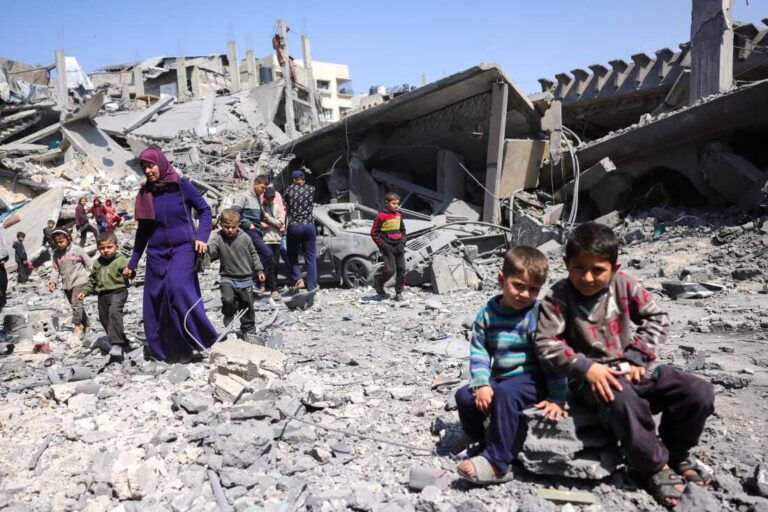
The ceasefire was brokered with international support following months of intense conflict that began after the Hamas-led attack on Israel in October 2023. That attack triggered a large-scale Israeli military campaign in Gaza, resulting in widespread destruction, heavy civilian casualties, and a severe humanitarian crisis.
Under the truce, both sides agreed to phased steps aimed at reducing violence and addressing humanitarian needs. These include the exchange of hostages and prisoners, expanded delivery of aid into Gaza, partial withdrawal of Israeli forces, and discussions on Gaza’s future governance and security arrangements.
Progress, however, has been uneven. Both Israel and Hamas have accused each other of repeated violations, and the latest explosion risks becoming another obstacle to advancing the agreement.
Human Impact of Ongoing Tensions
Despite the ceasefire, conditions in Gaza remain dire. Many residents continue to face shortages of food, water, and medical supplies, while large areas of the territory lie in ruins. Aid agencies warn that any breakdown of the truce could worsen an already fragile humanitarian situation.
On the Israeli side, communities near the Gaza border remain on edge. Even during the ceasefire, residents fear renewed violence, and incidents involving Israeli soldiers heighten anxieties about the truce’s durability.
Diplomatic Efforts Continue
International and regional mediators are working to prevent further escalation and keep both sides committed to the ceasefire. Talks have focused on unresolved issues such as the return of remaining hostages, long-term security arrangements in Gaza, and plans for post-war governance.
Analysts say incidents like the Rafah explosion demonstrate how easily the situation can deteriorate without strong mechanisms to manage disputes and ensure compliance.
About the Author