T20 World Cup: Shubman Gill Misses Out as Selectors Prioritise Powerplay Strength
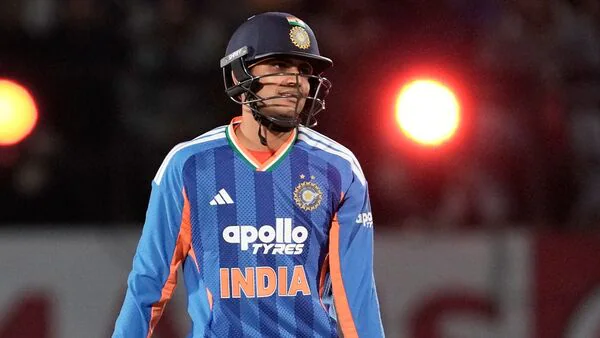
In a surprise move that has sparked widespread discussion among fans and experts alike, India’s national cricket selectors have left out star batter Shubman Gill from the 15-member squad named for the ICC Men’s T20 World Cup 2026, scheduled to be co-hosted by India and Sri Lanka next year. The decision, announced on Saturday, has become the headline of India’s summer cricket story, as the team management and selection committee opted for a fresh tactical approach aimed at strengthening the side’s powerplay performance and overall balance.
Gill, who has been one of India’s premier batters in recent years and was even serving as vice-captain in the T20 setup during the recent series against South Africa, was an unexpected absentee from the final list of 15 players. His omission has left many questioning the strategic reasoning behind the move, particularly given his stature within Indian cricket and his success across formats.
Selectors Stress Combination Over Reputation
According to the Board of Control for Cricket in India (BCCI) chief selector Ajit Agarkar, the decision to not include Gill was rooted in the team’s strategic direction rather than a reflection of his ability. Agarkar emphasised that selectors were focused on building a squad with the right combinations, particularly for the opening phases of T20 matches, where instant impact can dictate momentum.
“You’re looking at combinations at the moment. Someone has to miss out when you take 15,” Agarkar said, underlining the difficulty of finalising the squad when so many talented players are in contention. “It’s not because he’s not a good player unfortunately, it’s him who has missed out.”
Part of this tactical pivot involves fortifying India’s powerplay performance, a phase where early aggression and fast scoring are often critical in setting up big totals or establishing control. The selectors have placed greater faith in batters like Sanju Samson, Abhishek Sharma and Ishan Kishan, who are perceived to offer more explosive starts. Samson, in particular, has been backed as a first-choice wicketkeeper-batter capable of taking on bowlers from the outset, while Kishan’s recent form in domestic tournaments made him a natural choice as backup.
Form and Fitness: A Contributing Factor
While team balance was the primary reason cited by the BCCI, Gill’s recent form in T20 internationals also played a part in the selection calculus. Over his last stretch in the format, the 26-year-old had struggled for big scores and impactful innings, going a significant number of matches without a fifty. In the recent South Africa series, his contributions were modest, and he missed the final T20I due to a minor foot injury, which may have influenced selectors’ decisions as they opted for players fully available for all conditions.
In total, Gill has scored moderately in T20Is over the past year, with analysts noting that his batting strike rate and consistency at the top of the order did not align with India’s current strategic emphasis. The selectors felt that in a tournament where early momentum is often decisive, they needed players better suited to maximum impact in the first six overs.
Shaping the Squad: Wicketkeeper-Openers and Finishers
One of the defining features of the new squad is the inclusion of two wicketkeeper-batsmen capable of opening the innings. Sanju Samson and Ishan Kishan give India flexibility and attacking intent at the top, allowing them to pressurise opposition bowlers right from the start. This setup also leaves room to accommodate big hitters and all-round options in the middle and death overs without forcing the team to carry a player solely for finishing duties.
With Gill absent, Axar Patel has been named vice-captain, taking over the leadership responsibilities within the T20 squad. The selectors have also recalled Rinku Singh, whose powerful lower-order hitting and finishing skills add depth and balance to the batting lineup. These changes reflect a broader recalibration of India’s approach to the shortest format, where adaptability and role clarity have become increasingly important.
Mixed Reactions From Experts and Fans
Reactions to Gill’s omission have been varied. Some former players and cricket pundits have expressed surprise at the decision, given Gill’s class and potential to anchor innings even in shorter formats. Legendary batsman Sunil Gavaskardescribed the move as unexpected, noting that Gill’s overall quality as a batsman remains undoubted, and attributing some of the struggles to his recent return from injury and lack of rhythm.
Meanwhile, former cricketers such as Ravichandran Ashwin suggested that while the decision may seem harsh, it was not entirely unpredictable given the squad’s evolving needs and strategic priorities. Others have debated whether the selectors’ focus on combinations and specific match scenarios outweighs the value of steady performers who can anchor innings when required.
Fans, too, have weighed in passionately on social media platforms, with opinions ranging from support for the tactical shift to calls for clearer communication from the team management about long-term plans in the T20 format. Many supporters have voiced their belief that Gill’s talent still warrants a place in India’s T20 setup, even if he missed out this time around. Others argue that tough decisions are part of modern cricket’s competitive demands and that India must adapt to varied match situations.
Looking Ahead: Gill’s Future and the Road to the World Cup
For Gill, the exclusion from the T20 World Cup squad represents both a professional setback and a potential turning point. Despite his current omission, he remains a central figure in India’s Test and ODI plans, where he has enjoyed considerable success. The focus now shifts to how he responds to this challenge whether through strong performances in domestic cricket or in the upcoming bilateral series that precede the World Cup.
The selectors’ decision underscores the increasingly competitive nature of team composition in international cricket, where multiple high-quality players vie for limited spots. The emphasis on powerplay aggression, tactical flexibility and defined roles reflects a broader trend in T20 cricket, where adaptability often dictates success on the global stage.
As India prepares to defend its T20 World Cup title, the reshaped squad will carry fresh expectations and strategic intentions. For Gill, the coming months will be an opportunity to regroup, refine his T20 game and reassert his case for future selection. Only time will tell whether this omission becomes a temporary hurdle or the catalyst for a renewed phase in his international career.
About the Author