CCI Probes IndiGo Over Market Dominance Concerns
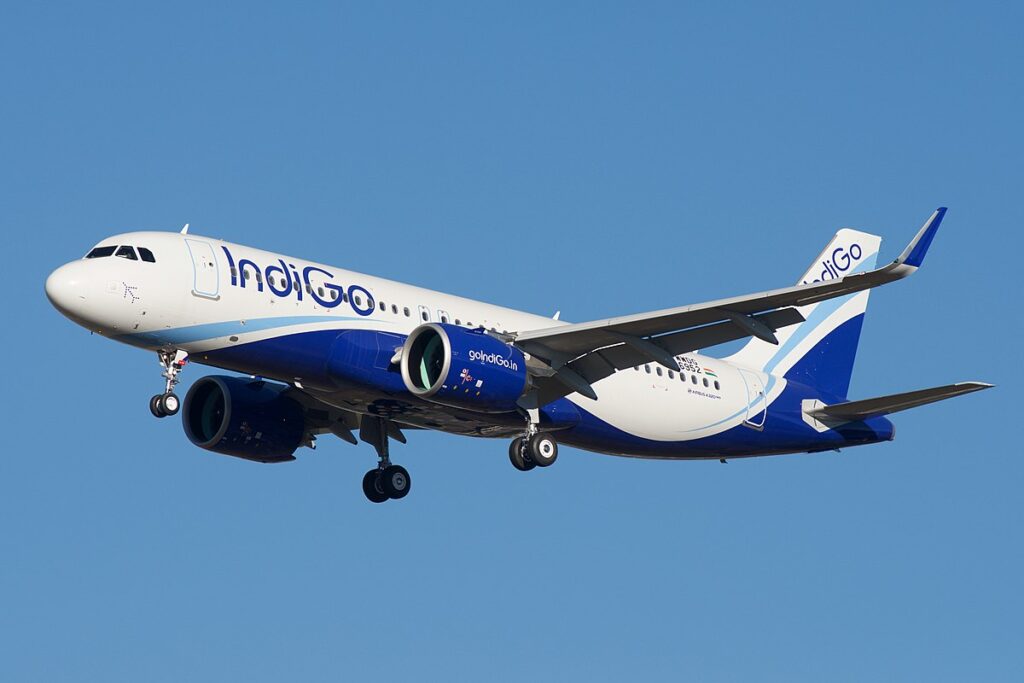
India’s aviation sector is witnessing a fresh regulatory storm as the Competition Commission of India (CCI) has taken cognizance of the massive flight disruptions and cancellations by IndiGo Airlines in early December 2025 and is now investigating whether the airline has violated competition norms including possible abuse of its dominant position in the domestic market.
IndiGo, operated by InterGlobe Aviation Ltd., commands a market share exceeding 60–65% of domestic passenger travel far larger than any of its competitors. This dominance has triggered concerns that the airline’s behavior during the recent crisis could reflect anti-competitive practices or misuse of market power, especially if its operations unfairly impacted consumers or limited market access for competitors.
What Has the CCI Said So Far?
The CCI has stated that after an initial assessment, it will look more closely at the airline’s practices in light of the disruption that saw thousands of flights cancelled and millions of passengers inconvenienced. While the commission has yet to decide whether a full investigation under Section 4 of the Competition Act concerning abuse of dominance will be launched, the preliminary review marks a rare intervention by India’s antitrust regulator into civil aviation.
Importantly, the CCI has clarified that holding a dominant position in itself is not unlawful; only abuse of that position through exploitative or exclusionary conduct would trigger violations of competition norms.
IndiGo’s Meteoric Rise in Indian Aviation
To understand why regulators are alarmed, it’s crucial to look back at how IndiGo evolved into India’s pre-eminent airline.
Founded in 2006, IndiGo entered the Indian aviation market as a low-cost carrier (LCC) focused on operational efficiency, quick turnarounds, and affordable fares. Over the years, the airline relentlessly expanded both its fleet and network, largely outpacing competitors. Its uniform Airbus fleet strategy, streamlined operations, and focus on punctuality helped reduce costs and attract a broad customer base.
As legacy carriers like Jet Airways collapsed and others like SpiceJet and Go First struggled with finances, IndiGo capitalized on the opportunity to broaden its footprint. By the early 2020s, it had become not just the largest airline in India by fleet size, but also the dominant market force, flying more than 2,200 flights a day at its peak.
Economies of scale reinforced its dominance: IndiGo’s large fleet allowed it to negotiate better terms for aircraft leases and fuel, secure valuable airport slots, and price tickets aggressively squeezing smaller competitors further.
Why Analysts Call It a “Monopoly” And What That Really Means
While India doesn’t have a legal definition for monopoly in aviation per se, the term is widely used in public discourse because of IndiGo’s market share exceeding 60%. That level of domination, especially when combined with market share of Air India to exceed 90% alongside it, has prompted industry watchers to describe the domestic aviation market as being highly concentrated.
Such concentration isn’t inherently illegal many industries around the world feature dominant players. However, problems arise when a firm uses that dominance to unfairly disadvantage customers or competitors such as setting predatory prices, refusing fair access to critical infrastructure like airport slots, or failing to maintain service standards because consumers lack alternatives.
The recent CCI scrutiny isn’t just about IndiGo’s size it’s about whether that size translated into behavior that hurt competition or consumers. During the December flight disruptions, many passengers reported last-minute cancellations, lack of timely refunds, and sudden fare increases for last-minute booking replacements. A Reuters report quoted complaints that IndiGo’s actions could be interpreted as exploiting its market position.
The Trigger: Flight Disruptions and Cancellations
The immediate catalyst for the CCI’s heightened scrutiny was the January 2025 implementation of revised Flight Duty Time Limitations (FDTL) for pilots regulations intended to improve safety by extending mandatory rest periods. IndiGo’s failure to sufficiently adjust its crew scheduling and operations to the new rules led to thousands of flight cancellations in December, the largest disruption in the airline’s history.
These cancellations stranded passengers across the country, leading to complaints, media outcry, and regulatory pressure. The Directorate General of Civil Aviation (DGCA) is separately probing the operational lapses, while the CCI’s focus is on competition norms.
Where Competition Concerns Come From
Industry insiders note that a firm with such dominant route control and high flight frequency could potentially influence pricing and service quality in ways that smaller rivals cannot match. Some observers have argued that if IndiGo were to use its size to disadvantage competitors for example by crowding them out of popular routes or securing slots that leave little room for others this could harm long-term consumer choice.
However, the CCI has emphasized that dominance alone isn’t the issue it’s abuse of that dominance that would breach competition law. Thus far, no formal abuse finding or penalty has been imposed; the regulator is still gathering evidence to determine whether prima facie violations exist.
Industry Reaction and Possible Outcomes
Airline executives and analysts have expressed mixed views. Some defend IndiGo’s operational success, attributing the disruptions to poor planning rather than deliberate anti-competitive conduct. Others argue that a market dominated by one airline and a few large players can be fragile, with consumers bearing the brunt when things go wrong.
Should the CCI find evidence of abuse, it has the power to order a full formal investigation, impose penalties, and issue cease-and-desist directives to curb anti-competitive practices. The final outcomes could influence how airline operations are regulated in the future and whether further policy action is needed to ensure healthy competition.
What It Means for Passengers
For everyday flyers, the key question is what this probe means for airfare, service quality, and choice. A market dominated by one large carrier often results in less competitive pricing and fewer alternatives when disruptions strike. This crisis has underscored how vulnerable passengers can be when competition is thin.
If the CCI concludes that misuse of market power occurred, future enforcement could help protect consumer interests and encourage a more balanced playing field among carriers.
About the Author