Rebel TMC MPs Set to Merge with Nationalist Citizens Party, Back NDA: A New Challenge for Mamata Banerjee
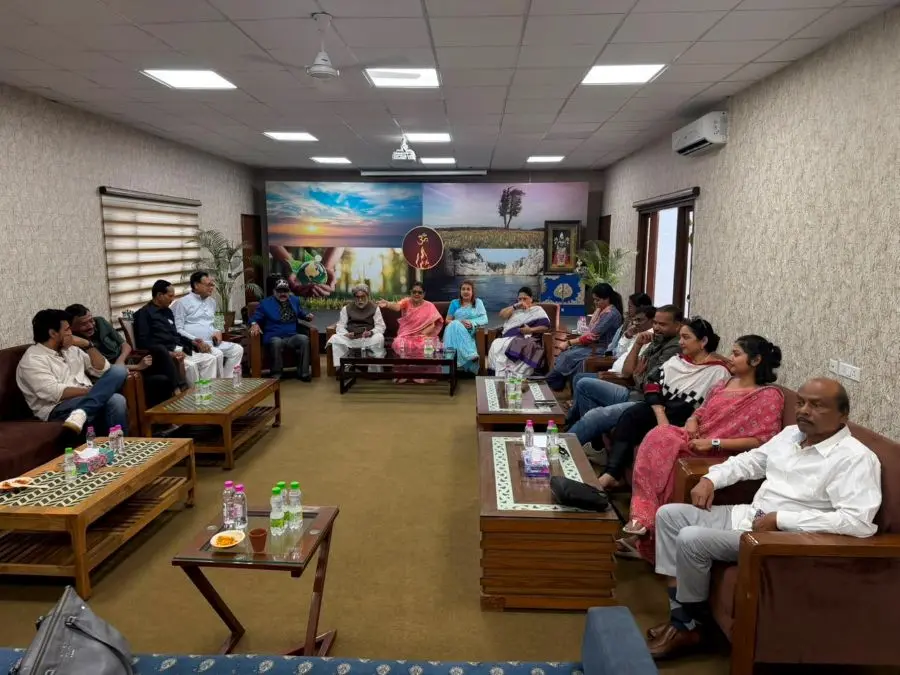
West Bengal politics has entered a new phase of uncertainty as a group of rebel Trinamool Congress (TMC) Members of Parliament has announced plans to merge with the Nationalist Citizens Party (NCP) and extend support to the Bharatiya Janata Party-led National Democratic Alliance (NDA). The development, led by senior TMC leader Kakoli Ghosh Dastidar, is being viewed as one of the most significant internal rebellions faced by Mamata Banerjee since the formation of the Trinamool Congress.
The announcement comes in the aftermath of the West Bengal Vidhan Sabha election, where political tensions within the party reportedly intensified. Rebel leaders have accused the party leadership of becoming disconnected from grassroots workers and ignoring concerns raised by senior leaders.
How the Rebellion Began
The crisis first surfaced when Kakoli Ghosh Dastidar publicly claimed that nearly 20 TMC Lok Sabha MPs had written to Lok Sabha Speaker Om Birla expressing their desire to support the NDA and function as a separate parliamentary bloc.
The rebel camp argued that the move was necessary to respect the mandate delivered by voters and to ensure political stability. Several dissident leaders alleged that the party’s internal decision-making process had become centralized and that senior leaders were being sidelined.
The rebellion gained momentum after a series of resignations and public disagreements within the party following the assembly election results. Dissident MPs maintained that their concerns were repeatedly ignored by the party high command.
Who Are the Rebel MPs?
Leaders Associated with the Rebel Camp
While the exact composition of the group continues to evolve, the following leaders have been prominently linked with the rebellion:
- Kakoli Ghosh Dastidar
- Yusuf Pathan
- Saayoni Ghosh
- Mala Roy
- Jagadish Chandra Barma Basunia
Several reports suggest that the rebel faction may have secured support from around 19 to 22 MPs, though the official number remains disputed by the Trinamool Congress leadership.
The dissident leaders have indicated that they do not intend to join the BJP directly. Instead, they are reportedly seeking to merge with the Nationalist Citizens Party while extending parliamentary support to the NDA.
Why the Number Matters
The figure of 19 MPs is politically significant because it represents approximately two-thirds of TMC’s Lok Sabha strength. Under the anti-defection provisions, such a number could help the rebel group seek recognition as a separate faction and strengthen its legal position.
This has turned what initially appeared to be a routine internal dispute into a potentially historic political split.
What Happened After the Vidhan Sabha Election?
Growing Dissatisfaction Within the Party
The seeds of the rebellion were reportedly sown after the assembly election. Many senior leaders believed that the party leadership failed to address organizational weaknesses exposed during the campaign.
Several MPs and leaders complained about:
- Lack of internal consultation.
- Concentration of power within a small leadership circle.
- Declining influence of senior parliamentarians.
- Growing disconnect between the party organization and grassroots workers.
The dissatisfaction became increasingly visible as multiple leaders began openly criticizing the party’s functioning.
Resignations and Public Criticism
The crisis deepened when prominent leaders resigned from party positions and started questioning strategic decisions taken by the leadership.
Rebel MPs argued that voters had expressed dissatisfaction with governance issues and that the party needed major structural reforms. Instead of addressing those concerns, they claimed, the leadership chose confrontation.
The result was the emergence of a coordinated parliamentary rebellion that eventually spilled onto the national political stage.
Why the Move Benefits the NDA
Strengthening Numbers in Parliament
The support of a large group of TMC MPs could further strengthen the NDA’s position in Parliament.
Although the NDA already enjoys a comfortable majority, additional support would:
- Enhance legislative flexibility.
- Improve numbers in key parliamentary votes.
- Weaken opposition unity.
- Reduce the influence of regional opposition parties.
For the BJP, the development also carries symbolic value because West Bengal has remained one of the most politically contested states in the country.
A Psychological Victory
Beyond parliamentary arithmetic, the rebellion delivers a significant political message. It suggests that dissatisfaction is no longer limited to local leaders but has reached the highest levels of the Trinamool Congress organization.
Such perceptions can influence future political alignments and encourage further defections.
How This Could Affect Mamata Banerjee
Biggest Internal Crisis in Years
For Mamata Banerjee, the rebellion represents more than a parliamentary challenge. It strikes at the image of party unity that has been central to the Trinamool Congress’s political success.
A split involving nearly two-thirds of the party’s Lok Sabha MPs would raise serious questions about leadership control and organizational discipline.
Impact on National Politics
Mamata Banerjee has long been considered one of the most influential opposition leaders in India. Any weakening of her parliamentary strength could reduce her bargaining power within opposition alliances.
A diminished presence in Parliament may also affect her ability to shape national political narratives and coalition strategies.
Challenges Ahead
The Trinamool Congress leadership now faces three immediate challenges:
1. Preventing Further Defections
The party must ensure that the current rebellion does not trigger additional exits from its ranks.
2. Protecting Organizational Unity
Maintaining morale among party workers and district-level leaders will be critical in the coming months.
3. Rebuilding Public Confidence
The leadership will need to convince voters that the crisis is temporary and does not reflect a broader organizational collapse.
Conclusion
The proposed merger of rebel TMC MPs with the Nationalist Citizens Party and their decision to support the NDA marks a major turning point in West Bengal politics. What began as internal dissatisfaction has evolved into a full-scale political rebellion with national implications.
Whether the dissident group ultimately succeeds in formalizing its new political identity remains to be seen. However, the episode has already emerged as one of the most serious challenges faced by Mamata Banerjee in recent years. As the battle moves from party offices to Parliament and potentially to the courts, the future of the Trinamool Congress could depend on how effectively its leadership responds to this unprecedented crisis.
About the Author