PM Modi Repeats Appeal to Revive Covid-Era Work From Home Measures, Reduce Fuel Consumption
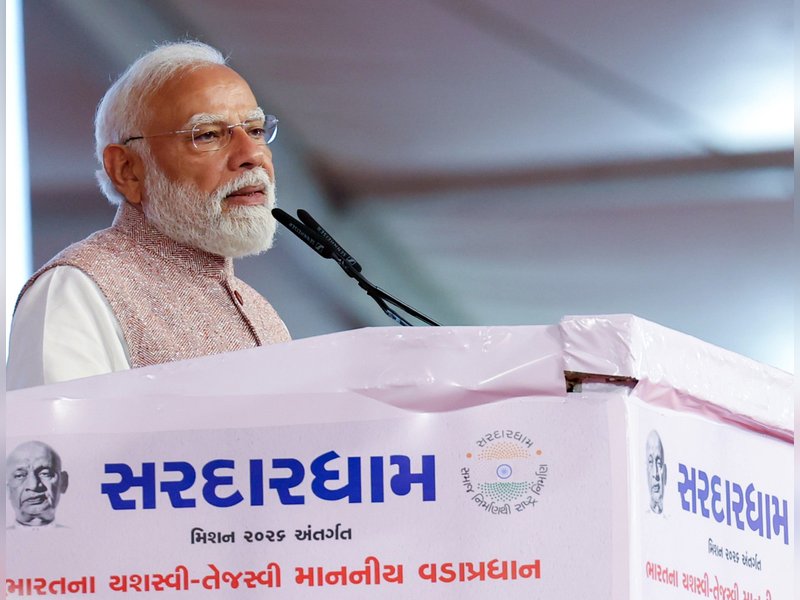
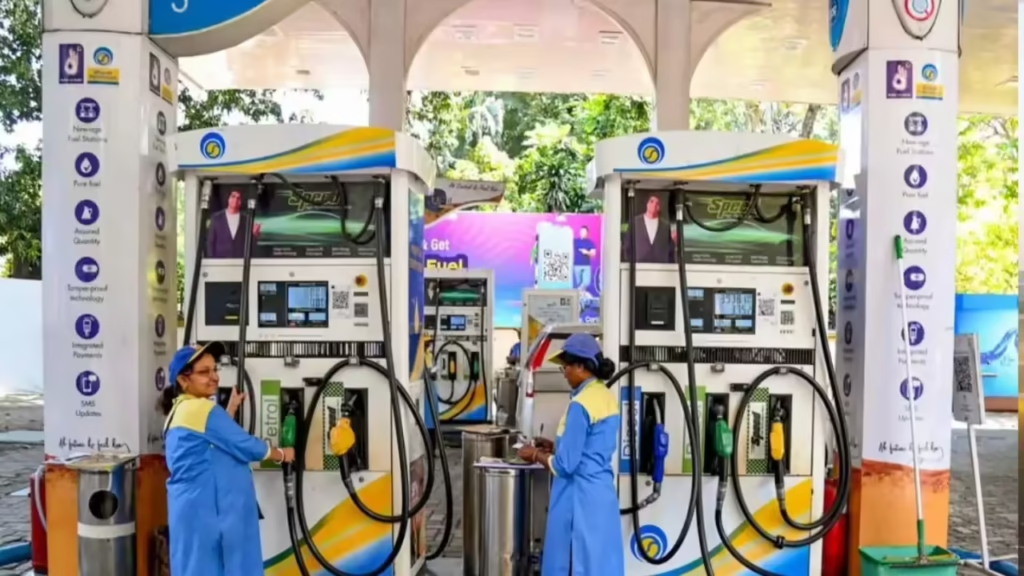
Prime Minister Narendra Modi on Monday renewed his appeal to companies and citizens to adopt Covid-era work from home practices wherever possible and take steps to reduce fuel consumption, amid growing concerns over global energy volatility and rising urban pollution.
Addressing a gathering in Gujarat, the Prime Minister said reducing unnecessary travel and encouraging remote working could help India lower fuel demand, ease pressure on urban infrastructure, and contribute to environmental conservation. His remarks came just a day after he made a similar appeal at a public meeting in Hyderabad.
“During the Covid period, the country successfully adapted to work from home arrangements. Many sectors continued functioning efficiently. We should once again consider such practices wherever feasible to save fuel and reduce congestion,” Modi said.
The Prime Minister stressed that India, as one of the world’s fastest-growing major economies, must focus on energy conservation as a national responsibility. He urged offices, private firms and educational institutions to explore hybrid models that minimise daily commuting without affecting productivity.
The renewed push comes at a time when global crude oil prices remain uncertain due to geopolitical tensions and disruptions in international supply chains. India imports more than 80 per cent of its crude oil requirements, making domestic fuel consumption a key economic concern.
Government officials indicated that the Prime Minister’s remarks are part of a broader campaign encouraging behavioural changes to reduce energy dependence. Apart from work from home arrangements, Modi also called on citizens to increasingly use public transport, carpooling and cleaner mobility alternatives.
“Every drop of fuel saved strengthens the nation’s economy,” he said, adding that small individual actions could collectively make a significant difference.
The Prime Minister highlighted how remote working during the pandemic led to measurable reductions in traffic congestion and pollution levels across major Indian cities. He said the experience demonstrated that technology-enabled work systems could be effectively integrated into modern professional life.
Several industry bodies responded cautiously to the appeal, saying many companies had already adopted hybrid work models after the pandemic. However, some sectors, particularly manufacturing, logistics and retail, continue to require a physical workforce.
Executives in the information technology and services sectors said flexible work arrangements remain viable in many urban centres. Industry representatives noted that companies are balancing employee preferences for remote work with operational requirements and concerns around collaboration and productivity.
Environmental experts welcomed the Prime Minister’s comments, arguing that reducing vehicular traffic could help address worsening air quality in metropolitan regions. According to transport studies, daily commuting contributes substantially to fossil fuel consumption and carbon emissions in cities such as Delhi, Mumbai, Bengaluru and Hyderabad.
Analysts said the appeal also reflects the government’s increasing emphasis on sustainable development and energy efficiency. In recent years, the Centre has promoted initiatives including ethanol blending, electric vehicle adoption, solar energy expansion and campaigns encouraging reduced fuel usage.
During his Hyderabad address on Sunday, Modi had similarly urged citizens to think collectively about conserving fuel and reducing avoidable travel. He had said India’s economic progress must go hand in hand with responsible consumption patterns.
The latest comments triggered political reactions as well, with opposition leaders questioning whether the government was indirectly acknowledging concerns over fuel prices and inflationary pressures. Some opposition parties argued that reducing excise duties on petrol and diesel would provide more immediate relief to consumers.
The government, however, maintained that energy conservation and reduced dependence on imported fuel remain long-term national priorities. Officials pointed to India’s commitments on climate action and clean energy transition as additional reasons for promoting reduced fossil fuel use.
Urban planners noted that the pandemic permanently altered workplace culture, with many companies continuing remote or hybrid operations even after normal economic activity resumed. Experts said broader adoption of flexible working could also help decongest cities and reduce stress on public transport systems.
At the same time, economists cautioned that widespread work from home practices could affect sectors dependent on office-going populations, including commercial real estate, public transport revenues and small urban businesses.
Despite differing views on implementation, Modi’s repeated appeal indicates that the government sees behavioural change as an important component of energy management. The Prime Minister said India’s development goals would require collective efforts from citizens, businesses and institutions alike.
“As a society, we must adopt habits that strengthen the country’s economy and protect the environment for future generations,” Modi said.
About the Author