LPG Shortage in India: Households Struggle, Hotels Turn to Alternatives as Government Urges Shift to Piped Gas
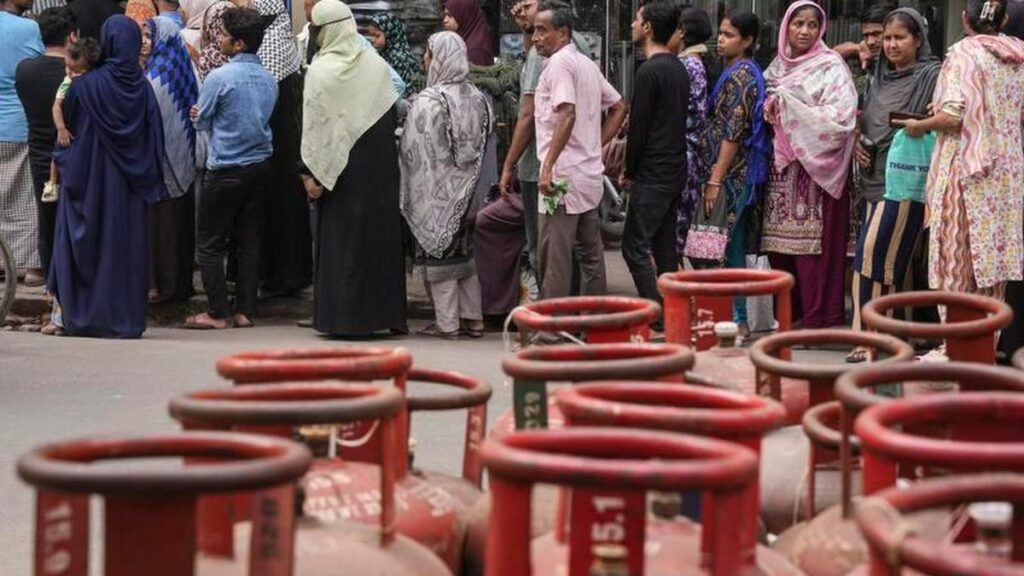
A supply crunch of liquefied petroleum gas (LPG) in several parts of India has begun to affect households, small businesses and the hospitality sector, forcing many to look for alternative cooking arrangements while the government encourages consumers to switch to piped natural gas where infrastructure exists.
Across multiple cities and towns, consumers have reported delays of several days in receiving LPG cylinders. In some areas, distributors have cited logistical bottlenecks, increased demand and transportation delays as the reasons behind the shortage, leaving families dependent on a single cylinder to ration fuel for daily cooking.
For many households, especially in urban middle-class and lower-income neighbourhoods, LPG remains the primary cooking fuel. With refill deliveries getting delayed, families have begun adjusting their daily routines. Some households have reduced cooking frequency, while others have shifted temporarily to electric induction stoves, kerosene stoves or even traditional coal stoves to manage daily meals.
The shortage has been particularly challenging for families that rely on government-supported LPG schemes such as the Pradhan Mantri Ujjwala Yojana, under which subsidised cylinders are provided to economically weaker households. Many beneficiaries say that even when bookings are confirmed, delivery timelines have stretched significantly, forcing them to borrow cylinders from neighbours or relatives.
In rural and semi-urban areas, where electricity supply can also be inconsistent, the shortage has pushed some households to revert to traditional cooking methods such as firewood and biomass. This has raised concerns among public health experts who warn that increased indoor air pollution could again become a problem if LPG availability remains unstable.
Small eateries, roadside food stalls and local restaurants have also been hit hard by the limited availability of LPG cylinders. Many restaurant owners say they depend on multiple cylinders every week to keep their kitchens running, and delays in supply have disrupted operations, particularly during peak meal hours.
Several small hotels and eateries have started experimenting with alternative cooking arrangements. Some have switched to electric induction cooktops and commercial electric stoves, while others are using diesel-based burners or biomass-fuelled cooking systems to keep their kitchens functional. Restaurant associations in some cities have said that while such alternatives allow businesses to continue operating, they often increase operating costs and slow down food preparation.
Catering services and small food businesses that operate from home kitchens have also reported disruptions. Event caterers in particular say the uncertainty around LPG supply has forced them to arrange backup cylinders from multiple distributors or rely on temporary electric cooking systems.
In major metropolitan areas where piped natural gas (PNG) infrastructure is available, authorities have advised consumers and commercial establishments to consider switching to PNG connections. Officials say piped gas offers a continuous supply, eliminates dependence on cylinder deliveries and reduces the risk of sudden fuel shortages.
Government sources have said that expanding PNG networks in urban areas remains part of a long-term strategy to reduce pressure on the LPG distribution system. Over the past decade, city gas distribution networks have been expanded in several states, enabling households and commercial establishments to access piped natural gas directly.
However, the transition is not possible everywhere. In many towns and rural areas, piped gas infrastructure is either unavailable or still under development. As a result, LPG cylinders remain the only viable cooking fuel for millions of households.
Industry analysts also note that seasonal spikes in demand, supply chain constraints and distribution inefficiencies can sometimes lead to temporary shortages. They say improving storage capacity, transportation networks and inventory management could help stabilise supply during periods of high demand.
Energy experts say the current shortage highlights the need to strengthen supply chains and diversify cooking fuel options. While LPG has played a key role in reducing dependence on traditional fuels such as firewood and coal, disruptions in distribution can quickly affect large populations that depend on it for daily cooking.
For now, authorities have urged consumers to avoid panic booking and unnecessary stockpiling of cylinders, assuring that supply is being stabilised and distribution networks are working to clear pending deliveries.
As the shortage continues to affect households and businesses alike, the situation has once again drawn attention to the importance of reliable fuel supply systems and the gradual shift toward piped gas infrastructure in India’s growing urban centres.
About the Author