Nepal Rejects Old Guard as Balen Shah’s Rastriya Swatantra Party Emerges at Centre of Power
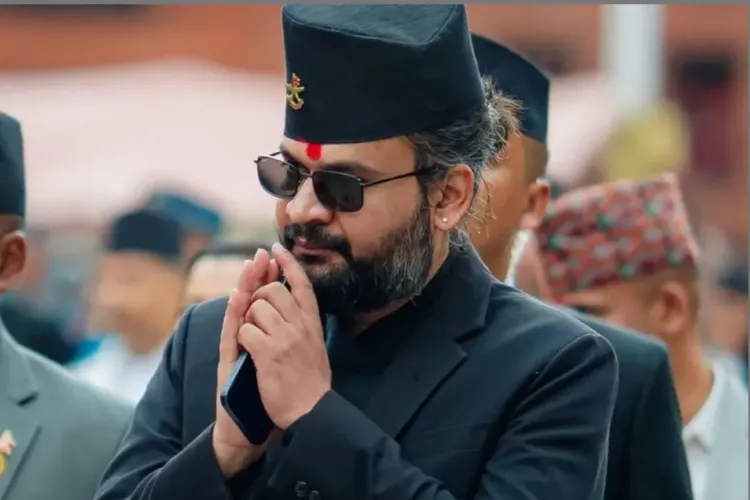
Nepal’s political landscape appears to be undergoing a significant shift as Kathmandu Metropolitan City mayor Balen Shah and the emerging reformist platform associated with the Rastriya Swatantra Party (RSP) gain momentum, positioning him as a leading contender for the country’s next prime minister amid growing public frustration with traditional parties.
The rise of Shah reflects a widening gap between voters and Nepal’s long-dominant political forces, including the Nepali Congress, the Communist Party of Nepal (Unified Marxist–Leninist), and the Communist Party of Nepal (Maoist Centre). These parties have alternated in power since the country became a federal democratic republic in 2008 following the abolition of the monarchy, but critics argue that they have struggled to provide political stability and sustained economic progress.
Shah, widely known as “Balen,” first gained national prominence in 2022 when he won the Kathmandu mayoral election as an independent candidate, defeating contenders backed by major political parties. His victory was widely interpreted as a sign of rising public dissatisfaction with traditional political structures and a growing appetite for outsider leadership.
Since becoming mayor, Shah has built a reputation for assertive administrative action. His tenure has focused on urban governance reforms, anti-corruption initiatives, enforcement of building regulations, and attempts to modernise municipal management in the capital city. These moves have earned him strong support among younger voters and urban residents who view him as a symbol of generational change in Nepali politics.
Political observers say the increasing influence of the Rastriya Swatantra Party, a relatively new political force advocating governance reform and transparency, has helped consolidate anti-establishment sentiment across parts of the electorate. Although Shah originally rose as an independent figure, his policy positions and reformist appeal have often aligned with the party’s broader message of political renewal.
Nepal has witnessed frequent government changes in recent years, with coalition politics dominating the parliamentary system. Analysts argue that voter fatigue with unstable governments and internal factionalism within major parties has opened the door for newer political actors and reform-driven platforms.
The possibility of Shah emerging as prime minister would represent a remarkable shift in Nepal’s political order. An outsider with a background in civil engineering and music before entering politics, he would be among the youngest and most unconventional leaders to hold the country’s highest executive office.
However, significant challenges remain. Nepal’s parliamentary structure requires the formation of coalition governments, meaning Shah would need support from lawmakers across multiple parties to secure the premiership. Critics also question whether his experience in municipal governance can translate effectively to managing national politics and complex coalition dynamics.
Even so, the momentum behind Shah and the broader reformist movement suggests that Nepal’s electorate may be increasingly willing to move beyond the country’s established political leadership. If this trend continues, the coming government could mark a turning point in Nepal’s post-monarchy political era, signalling a decisive shift toward newer political forces and leaders promising administrative reform and accountability.
About the Author