Before Iran, There Was Iraq
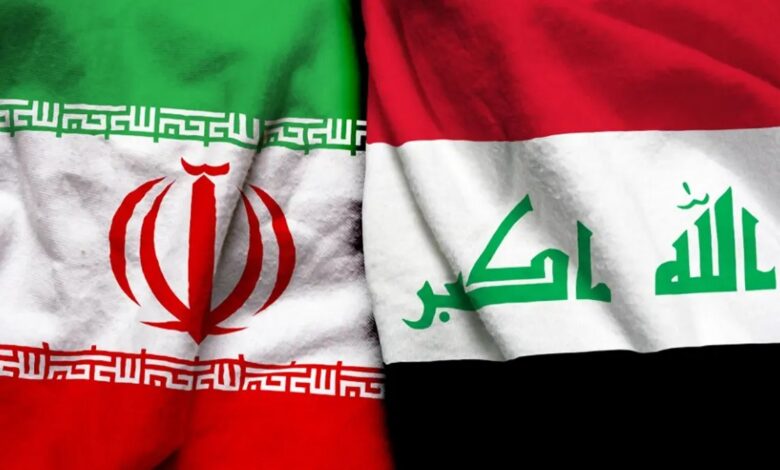
As tensions mount around Iran and questions resurface about the consequences of foreign intervention in the Middle East, the shadow of Iraq’s 2003 regime change looms large. More than two decades after the US-led invasion toppled Saddam Hussein, Iraq continues to grapple with the political, sectarian and institutional consequences of that war a legacy that offers a stark contrast to the pressures currently confronting Tehran.
Saddam Hussein’s Iraq: Centralised Power and Coercive Stability
Saddam Hussein ruled Iraq from 1979 until 2003 under the banner of the Ba’ath Party, consolidating power through an extensive security network, intelligence services and loyalist patronage. His government projected strength through a highly centralised state apparatus and strict control over political life. Opposition figures were imprisoned, exiled or executed, and dissent was rarely tolerated.
The regime’s repression extended to ethnic and sectarian minorities. Kurdish uprisings in the north were met with brutal crackdowns, including the notorious 1988 chemical attack on Halabja. Shiite political movements in the south were suppressed following the 1991 Gulf War. While the government maintained order and state control, it did so through fear and coercion.
Regionally, Saddam positioned Iraq as a dominant Arab power. The eight-year Iran-Iraq War in the 1980s devastated both countries and entrenched hostility between Baghdad and Tehran. In 1990, Iraq’s invasion of Kuwait triggered the Gulf War, leading to international sanctions that severely weakened Iraq’s economy throughout the 1990s. By the early 2000s, the country faced widespread poverty, crumbling infrastructure and diplomatic isolation.
The 2003 Invasion and the Collapse of the State
On March 20, 2003, the United States and coalition forces launched a military campaign against Iraq, asserting that Baghdad possessed weapons of mass destruction and posed a threat to international security. Within weeks, Saddam’s government fell, and by December 2003 he was captured. He was later tried by an Iraqi court and executed in 2006.
The speed of the regime’s collapse, however, was matched by the rapid dismantling of Iraqi state institutions. The disbanding of the Iraqi army and the sweeping removal of Ba’ath Party members from government posts left hundreds of thousands unemployed and alienated. Administrative structures that had kept the country functioning were abruptly removed.
What followed was not immediate stability but a prolonged insurgency. Armed groups including former regime loyalists, sectarian militias and extremist organisations exploited the power vacuum. Sectarian violence between Sunni and Shiite communities intensified, pushing Iraq toward the brink of civil war by 2006-07.
The rise of the so-called Islamic State a decade later underscored how deeply fractured Iraq’s political and security landscape had become. Although Iraqi forces, with international support, eventually reclaimed territory, the scars of conflict remain visible in displaced populations, damaged cities and fragile governance.
Iraq After Regime Change: Democracy Amid Fragility
Post-2003 Iraq introduced elections, a new constitution and an elected parliament. Power shifted toward the Shiite majority, fundamentally altering the country’s political balance. Kurdish autonomy in the north became more entrenched.
Yet the new system has struggled with corruption, factionalism and external influence. Iran expanded its footprint in Iraqi politics and security structures after Saddam’s fall, cultivating ties with Shiite political parties and militias. Meanwhile, periodic protests by Iraqi citizens have highlighted frustration over unemployment, poor services and perceived foreign interference.
Iraq today is neither the rigid dictatorship of Saddam’s era nor a fully stable democracy. It is a state navigating competing interests, rebuilding institutions and attempting to reconcile deep internal divisions created or intensified by the 2003 intervention.
Iran’s Current Crisis: Pressure Without Invasion
In contrast, the Islamic Republic of Iran shaped by the 1979 revolution and long led by Ali Khamenei faces a different kind of challenge in 2026. Economic strain, sanctions and domestic unrest have tested the government’s authority. Protests over inflation, unemployment and political freedoms have surfaced periodically, drawing international scrutiny.
Unlike Iraq in 2003, Iran has not experienced a full-scale foreign ground invasion aimed at dismantling its state. Its political institutions, including the presidency, parliament and Revolutionary Guard structures, remain intact despite internal tensions and external military pressure. The country’s leadership continues to exert centralized authority, though public discontent has grown more visible.
Where Iraq’s upheaval began with swift regime removal imposed from outside, Iran’s pressures stem largely from internal economic and political grievances compounded by geopolitical confrontation. The state apparatus in Tehran has so far remained cohesive, preventing the kind of institutional collapse that followed Saddam’s fall.
Comparing the Two Trajectories
The comparison between Iraq in 2003 and Iran today reveals critical differences.
Iraq’s regime change was externally driven and immediate, resulting in the sudden disintegration of governing institutions. Iran’s challenges are unfolding within an existing state structure that, while contested, has not collapsed.
Iraq’s post-invasion vacuum opened space for insurgency and sectarian fragmentation. Iran’s tensions, by contrast, are rooted in ideological divisions, generational shifts and economic hardship rather than an outright absence of state authority.
The Iraqi experience illustrates how removing a centralized regime without a stable transition framework can lead to prolonged instability. It also demonstrates how regional power dynamics shift quickly when a dominant state collapses in Iraq’s case, enabling Tehran to expand influence westward.
Lessons from Baghdad’s Aftermath
More than twenty years after the fall of Saddam Hussein, Iraq’s trajectory remains a case study in the unpredictable consequences of regime change. While the dictatorship ended, the cost included years of violence, weakened institutions and enduring political fragmentation.
As policymakers debate responses to Iran’s current crisis, Iraq’s past stands as a reminder that dismantling a regime is only the beginning of a far more complex process. Stability depends not only on removing power but on rebuilding institutions, preserving social cohesion and managing regional rivalries.
About the Author