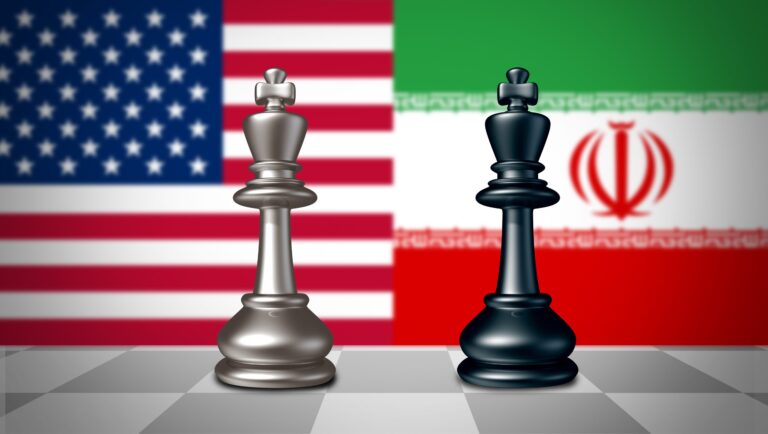
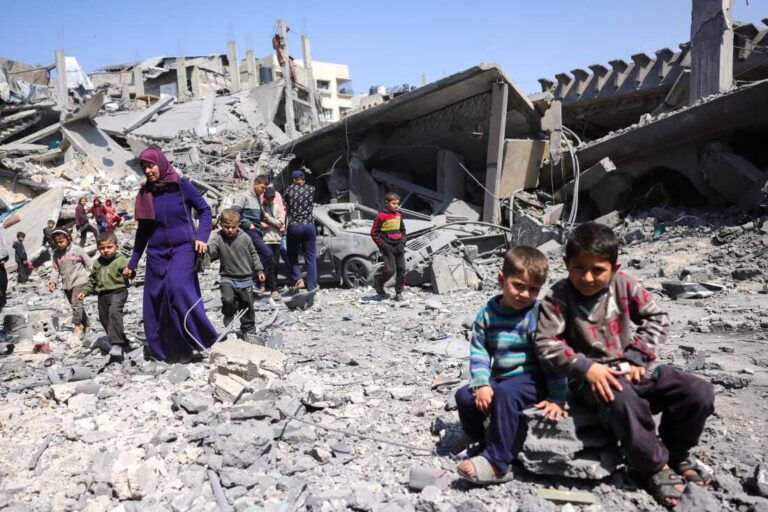
U.S., Israel Expand Strikes on Iran; Tehran Retaliates with Missiles, Regional Tensions Soar
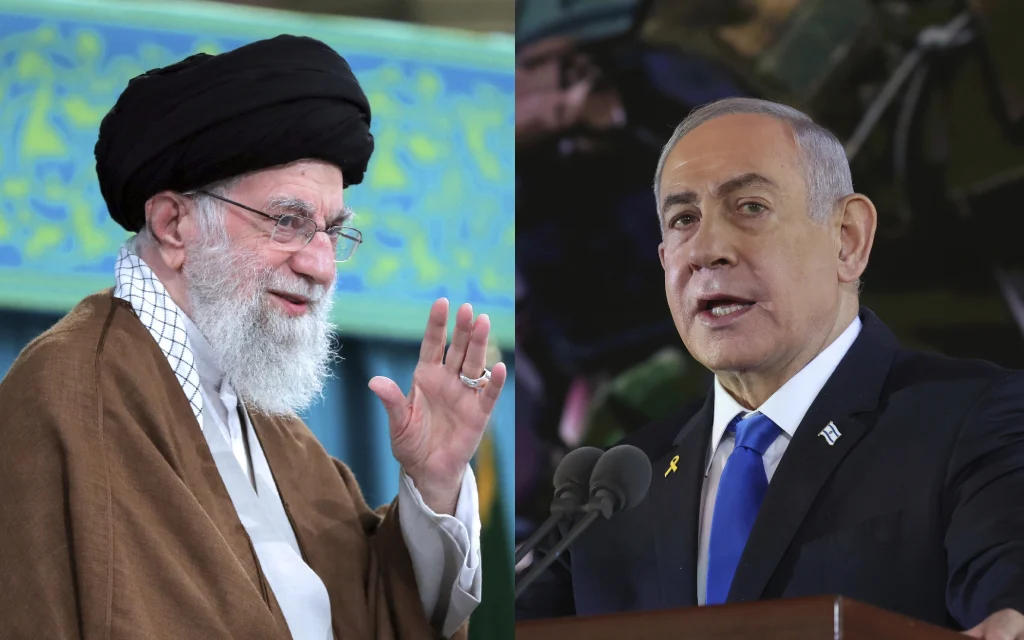
The United States and Israel carried out expanded military strikes on Iranian targets early Saturday, significantly escalating hostilities and prompting a wave of retaliatory missile and drone launches from Tehran across the region.
According to U.S. defence officials, the coordinated operation focused on military installations, air defence systems, missile storage sites and facilities alleged to be linked to Iran’s nuclear and long-range weapons programmes. Multiple explosions were reported in and around Tehran.
Israeli authorities said their air force targeted command centres and weapons depots used to coordinate operations against Israel. Military spokespersons stated that precision-guided munitions were used in an effort to limit civilian casualties, though the full extent of the damage remains unclear.
President Donald Trump described the action as a necessary response to mounting security threats, saying intelligence assessments indicated preparations for further attacks on Israeli and U.S. interests. He added that American forces in the region were placed on heightened alert.
Iran responded within hours. State television announced the launch of ballistic missiles and armed drones aimed at Israeli military positions and at U.S. bases in Gulf countries hosting American troops. Air defence systems were activated in Israel, Bahrain, Qatar and parts of the United Arab Emirates. Officials in several countries reported intercepting incoming projectiles, though independent confirmation of impacts and casualties is still emerging.
Iranian leaders condemned the strikes as an act of aggression and warned that further retaliation would follow if attacks continued. The Islamic Revolutionary Guard Corps said its response was “measured” but signalled readiness for a prolonged confrontation.
The escalation has had immediate regional consequences. Several Gulf states temporarily restricted airspace, leading to flight cancellations and rerouting of international carriers. Oil markets reacted with volatility amid fears of disruption to shipping lanes in and around the Strait of Hormuz, a critical artery for global energy supplies.
Hospitals in parts of Iran were placed on emergency footing, and civil defence units were mobilised. Iranian media reported damage to infrastructure in some urban areas, though casualty figures have not been independently verified. Israeli authorities said civilians in central and southern districts sought shelter during missile alerts but reported limited structural damage due to interceptions.
Diplomatic pressure intensified as world leaders called for restraint. European governments urged immediate de-escalation, while Russia criticised the strikes and called for emergency consultations at the United Nations Security Council. Regional powers expressed concern that continued exchanges could spiral into a wider conflict involving allied militias and neighbouring states.
India’s Ministry of External Affairs said it was closely monitoring the situation and advised Indian nationals in affected areas to exercise caution. The ministry reiterated calls for dialogue and respect for international law.
As military operations continue, analysts warn that the confrontation risks expanding beyond direct state-to-state exchanges. With forces on both sides on high alert and retaliatory threats still being issued, the coming days are seen as critical in determining whether the crisis intensifies further or moves toward diplomatic containment.
About the Author