The NCERT–Judiciary Conflict: A Flashpoint Over Textbook Content and Institutional Integrity
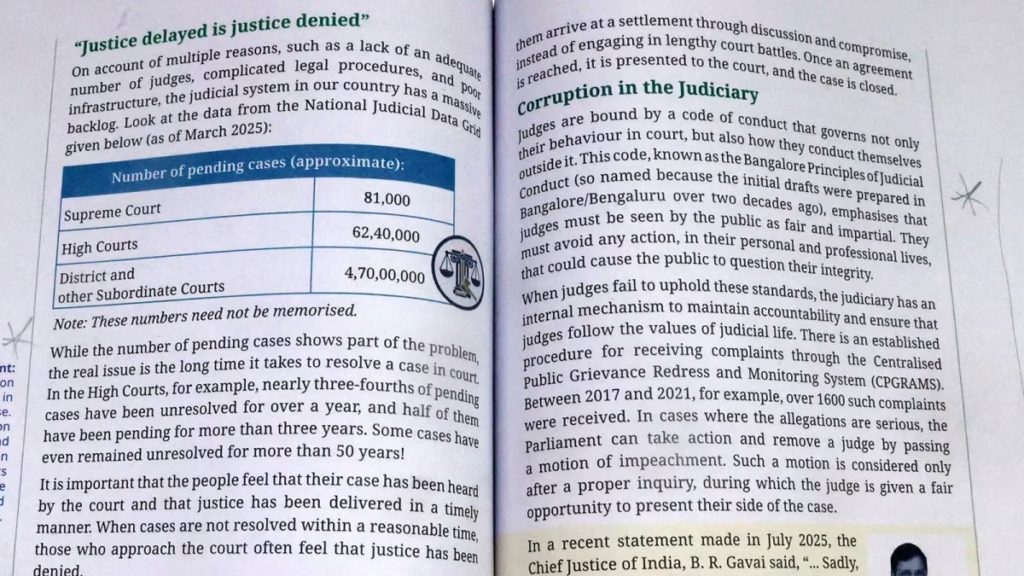
A controversy has erupted between the judiciary and the National Council of Educational Research and Training (NCERT) over content in a revised Class 8 social science textbook referring to challenges within the judicial system, prompting strong observations from the Supreme Court of India and an immediate halt to the book’s distribution.
The dispute centres on a chapter explaining the structure and role of the judiciary in India. The section mentioned issues such as case backlogs, vacancies and instances of corruption at certain levels of the justice delivery system, triggering concern within sections of the legal fraternity over how the institution was portrayed to school students.
The controversy began after the revised textbook chapter circulated among educators and legal professionals, with some lawyers and commentators arguing that references to corruption and systemic shortcomings were presented without adequate context or balance. They contended that the wording could create a negative impression of the judiciary among young students. The issue reached the apex court through mentions by members of the Bar, leading it to take cognisance and seek an explanation from NCERT on the editorial and approval process behind the content.
Taking note of the matter, the Supreme Court initiated proceedings and sought responses from NCERT and the Union government. During hearings, the court questioned the inclusion and framing of certain passages and emphasised that educational material must be balanced and should not undermine public confidence in constitutional institutions. The bench directed that publication and circulation of the textbook be paused until further orders and asked NCERT to clarify how the content was cleared for publication.
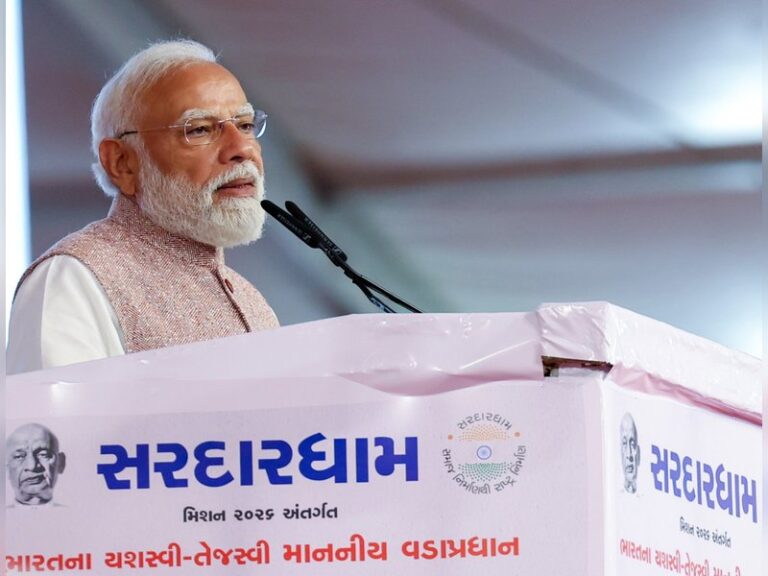
Following the court’s intervention, Narendra Modi is learnt to have expressed displeasure over the inclusion of the contentious references and sought accountability, underscoring that institutions such as the judiciary must be treated with due respect in educational material. Government sources said the Prime Minister conveyed that any lapse in oversight should be examined and corrected.
The Union Education Ministry, led by Dharmendra Pradhan, said it holds the judiciary in the highest regard and would examine the circumstances under which the chapter was included. The minister indicated that the content would be reviewed in line with the court’s observations and that corrective steps would be taken to ensure textbooks are age-appropriate and balanced.
NCERT, for its part, acknowledged concerns over the language used in the chapter and said the content would be reviewed. The body stated that it remains committed to ensuring textbooks present institutional issues responsibly, and confirmed that distribution of the book has been paused pending revisions and further directions.
The episode has sparked debate in academic and legal circles over how constitutional institutions should be discussed in school curricula. Some education experts argue that textbooks must address real challenges within institutions as part of civic learning, while others stress the need to protect institutional credibility and provide suitable context for young readers. Legal observers say the case raises wider questions about editorial oversight in publicly produced textbooks and the balance between critical education and institutional respect.
About the Author