BJP Names Yumnam Khemchand as Manipur Chief Minister; Deputy CMs Appointed from Kuki-Zo and Naga Communities
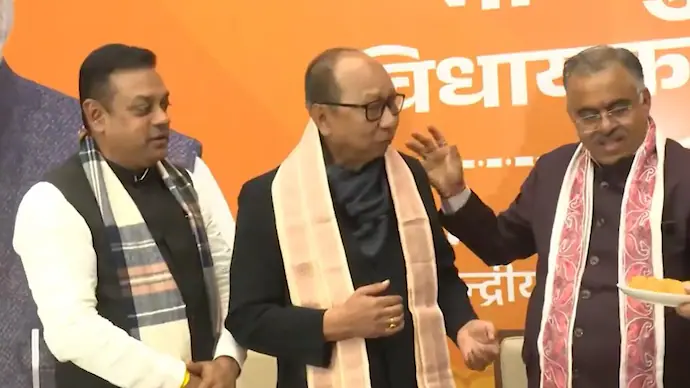
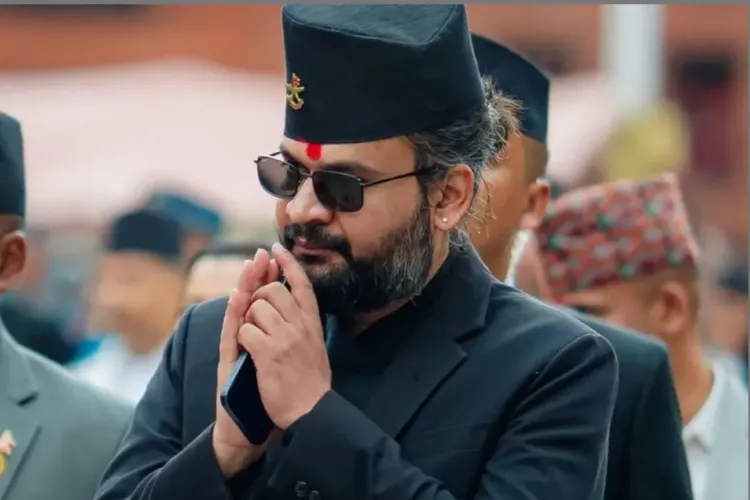
New Delhi: The Bharatiya Janata Party (BJP) on Tuesday formally announced senior Meitei leader Yumnam Khemchand as the new Chief Minister of Manipur, while appointing two Deputy Chief Ministers representing the Kuki-Zo and Naga communities, marking a major political development aimed at restoring stability and inclusive governance in the violence-hit northeastern state.
The announcement was made following a meeting of the BJP legislature party and consultations with the party’s central leadership. The decision brings clarity to weeks of political uncertainty and is being positioned by the ruling party as a calibrated leadership transition designed to address Manipur’s complex ethnic and administrative challenges.
Khemchand, a seasoned BJP MLA with multiple ministerial stints behind him, was unanimously elected leader of the legislature party. He will be sworn in as the next Chief Minister at a ceremony scheduled to be held at the Raj Bhavan in Imphal.
Inclusive Leadership Structure Finalised
Alongside the chief ministerial appointment, the BJP confirmed the induction of two Deputy Chief Ministers one from the Kuki-Zo community and one from the Naga community a move described by party leaders as a deliberate step toward power-sharing and reconciliation.
Party sources said the decision reflects the BJP’s intent to ensure that all major ethnic communities of Manipur have a direct stake in governance at the highest level. The appointments are expected to send a strong political signal amid continuing efforts to restore peace and normalcy across the state.
Announcing the decision, a senior BJP leader said the new leadership team would focus on “healing divisions, rebuilding trust, and accelerating development with fairness and transparency.”
Who Is Yumnam Khemchand
Yumnam Khemchand, a prominent Meitei leader, has long been regarded as an experienced administrator within the BJP’s Manipur unit. He has previously held key portfolios, including municipal administration, trade and commerce, and forest-related departments.
Known for maintaining a low public profile and for his organisational work within the party, Khemchand is seen as a leader capable of navigating consensus politics in a deeply polarised environment.
Party leaders said his elevation was based on his legislative experience, acceptability among party MLAs, and perceived ability to work across community lines.
Deputy CMs Reflect Manipur’s Diversity
The appointment of Deputy Chief Ministers from the Kuki-Zo and Naga communities is being viewed as unprecedented in its symbolism and political intent. BJP functionaries said both leaders would be given substantive portfolios to ensure meaningful participation in decision-making.
“The structure is not symbolic. It is functional,” a party leader said. “Each deputy chief minister will play a critical role in governance, coordination, and outreach.”
Political observers noted that the decision acknowledges the demographic and geographic realities of the state, where Meiteis largely inhabit the Imphal Valley while Kuki-Zo and Naga communities dominate the hill districts.
BJP’s Central Leadership Involved
The leadership transition was finalised after extensive consultations involving Manipur MLAs and the central leadership of the Bharatiya Janata Party. Central observers were deputed to Imphal in recent days to assess the political situation and build consensus within the legislature party.
Sources said the final decision was endorsed by the party’s top leadership, underscoring the importance the BJP attaches to political stability in Manipur.
The party also held discussions with its allies before announcing the new leadership team.
Focus on Governance and Reconciliation
In his first remarks after being named chief minister, Khemchand said his government’s priority would be restoring peace, ensuring security for all communities, and resuming development activities that had been disrupted.
“Our government will work for every citizen of Manipur, irrespective of community or region. Dialogue, justice, and development will guide our approach,” he said.
He added that rehabilitation of displaced families, strengthening of law and order, and coordination with the Centre would be among the immediate tasks before the new government.
Opposition Reacts
Opposition parties offered mixed reactions to the announcement. While some leaders welcomed the inclusive leadership structure, others said the new government would be judged by its actions rather than its composition.
A Congress leader said the appointments would “only matter if the government delivers peace and accountability on the ground.”
Regional parties, meanwhile, said representation of hill communities in the top leadership could help improve communication between the government and affected areas, provided it is backed by genuine administrative authority.
Administrative Challenges Ahead
The new government faces a formidable set of challenges, including resettlement of displaced persons, revival of economic activity, repair of damaged infrastructure, and rebuilding trust between communities and state institutions.
Security, reconciliation, and governance reforms are expected to dominate the agenda in the coming months. Analysts say the effectiveness of the deputy chief ministers will be crucial in ensuring coordination between the valley and hill districts.
Swearing-In Ceremony Soon
Officials confirmed that the swearing-in ceremony of the chief minister and deputy chief ministers will take place shortly, following formal communication to the Governor. The new council of ministers is expected to be expanded in phases.
For Manipur, the announcement marks a decisive political moment after months of uncertainty. Whether the new leadership can translate its inclusive framework into lasting stability will shape the state’s political trajectory in the near future.
About the Author