SIR 2.0: Nearly 6.5 crore names off the draft rolls — what happened, who’s affected and what comes next
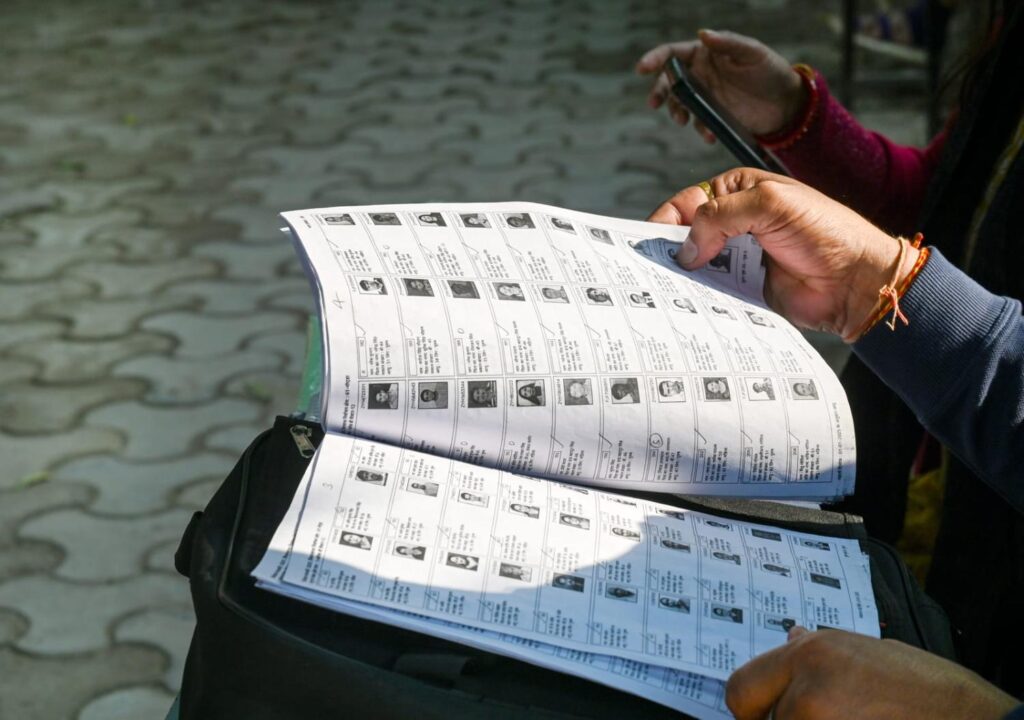
The Special Intensive Revision (SIR) 2.0 of electoral rolls has resulted in the removal of nearly 6.5 crore electors from the draft voter lists across nine States and three Union Territories, according to data released after the publication of draft rolls. The revision exercise was carried out under the supervision of the Election Commission of India as part of its statutory responsibility to ensure that electoral rolls remain accurate, updated and free from ineligible entries.
SIR is not a routine annual update but a focused verification drive that involves house-to-house field checks, document scrutiny, and data reconciliation. SIR 2.0 was undertaken to address issues that accumulate over time in voter lists, including the continued presence of deceased voters, duplicate registrations, electors who have permanently migrated, and entries that cannot be verified at the recorded address. Booth Level Officers were deployed to physically verify electors within their assigned polling areas, supported by digital databases and electoral management systems.
The scale of deletions observed during this phase is significant. Among the States, Uttar Pradesh recorded the highest number of deletions, at approximately 2.89 crore names, accounting for nearly half of the total removals reported during SIR 2.0. Electoral data from the State shows that the draft roll size reduced substantially compared to the previous published rolls. Other States and Union Territories included in this phase also reported large numbers of deletions, though on a smaller scale relative to their population and electorate size.
According to officials associated with the revision process, the deletions were made on the basis of specific and predefined criteria. These include confirmation of death through field verification or civil registration data, identification of duplicate records where an elector was registered in more than one constituency, confirmation that an elector had shifted residence and was registered elsewhere, and cases where repeated visits by field staff failed to establish the existence or eligibility of the listed elector. Names meeting these conditions were marked for deletion in the draft rolls.
The publication of draft rolls is a standard procedural step and does not signify the final removal of electors. The Election Commission has opened a legally mandated claims and objections period during which any elector can seek correction, inclusion, or deletion of entries. Individuals whose names are missing from the draft rolls may apply for re-inclusion by submitting the prescribed forms along with valid identity and address proof to local electoral offices or through online portals. The final electoral rolls will be published only after all claims and objections are examined and disposed of.
Data from previous revisions indicates that a portion of draft deletions are typically restored after claims are processed. Election officials have stated that SIR 2.0 follows the same framework and that no eligible voter will be excluded from the final rolls if proper verification documents are submitted within the stipulated timeframe. Deadlines for filing claims and objections vary by State and Union Territory but generally fall several weeks after the publication of draft rolls.
The revision exercise has brought renewed attention to the role of Booth Level Officers, who form the backbone of field verification. BLOs are responsible for visiting households, verifying elector details, and submitting reports to electoral registration officers. The accuracy of SIR outcomes depends heavily on the quality of their verification work, as well as on the availability of electors during visits. In urban areas and regions with high migration, verification has been reported to be more challenging due to frequent changes in residence and locked or vacant houses.
The Election Commission has reiterated that SIR 2.0 was conducted uniformly across all covered States and Union Territories, following guidelines issued at the national level. Training sessions were conducted for electoral staff, and standardized verification formats were used to reduce inconsistencies. Officials have also stated that technological tools, including database matching and digitised electoral management systems, were used alongside physical verification to identify anomalies.
Electoral roll revisions of this magnitude are not unprecedented, though the absolute numbers involved in SIR 2.0 are among the highest recorded in recent years. India’s large electorate, internal migration patterns, and demographic changes contribute to the complexity of maintaining accurate voter lists. According to election officials, intensive revisions are periodically required to address errors that cannot be corrected through incremental updates alone.
The claims and objections phase following SIR 2.0 is expected to play a critical role in determining the final impact of the exercise. Electoral registration officers are required to provide reasoned decisions on every claim received, and applicants have the right to appeal decisions through established legal mechanisms. The final rolls, once published, will form the basis for upcoming electoral processes in the concerned States and Union Territories.
The Election Commission has advised electors to verify their details in the draft rolls and to promptly file claims if discrepancies are found. Information regarding draft rolls, forms, and deadlines has been made available through official websites, voter helplines, and local electoral offices. Officials have stated that public participation is an essential component of the revision process and contributes to the overall accuracy of the electoral database.
SIR 2.0 represents a large-scale administrative effort aimed at updating India’s electoral infrastructure. The final assessment of its impact will depend on the extent to which eligible voters are restored to the rolls during the claims period and on the accuracy of the final published lists. As with all electoral roll revisions, the process is governed by constitutional and legal provisions designed to balance administrative accuracy with voter inclusion.
About the Author