Ram Rahim’s 15th Parole in 8 Years Rekindles Debate on Justice, Privilege, and the Pain of Victims
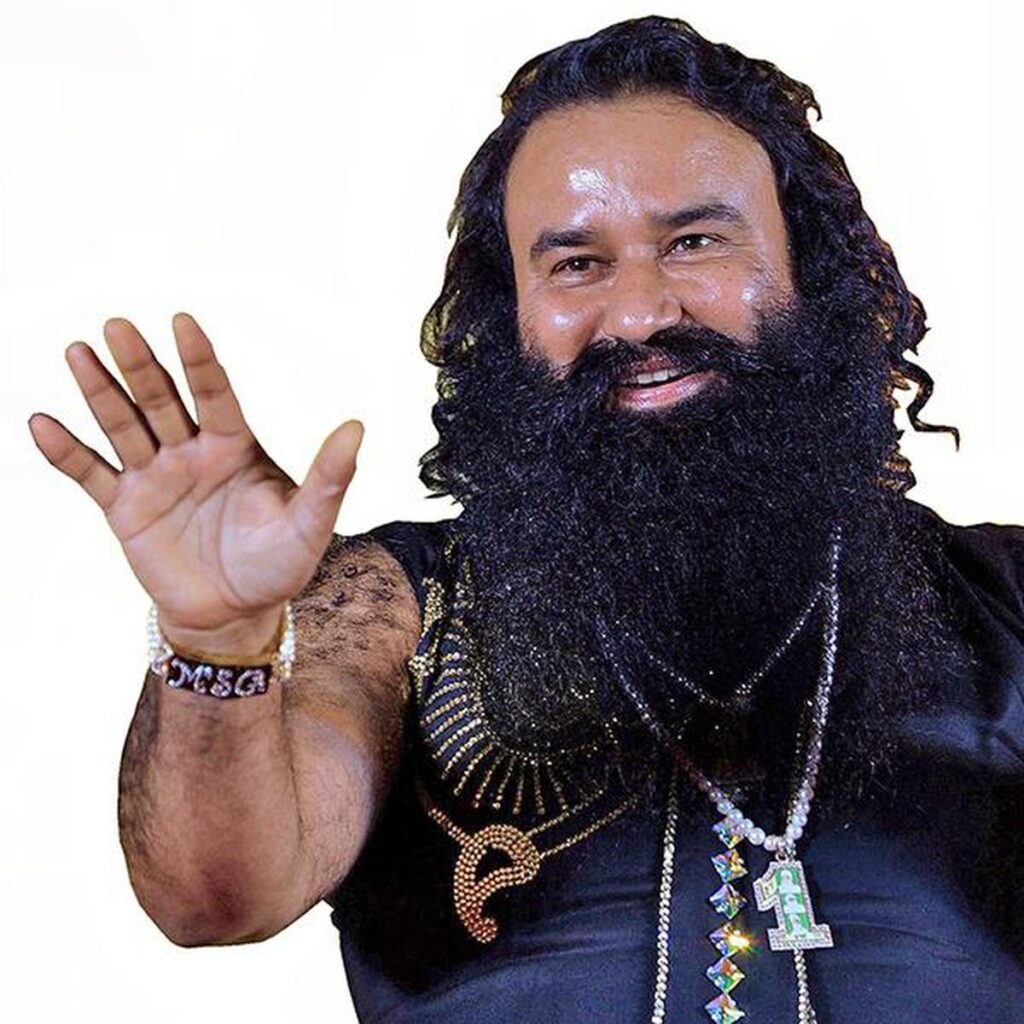
The news that Gurmeet Ram Rahim Singh has been granted parole for the 15th time in just eight years has once again stirred public debate across India. Convicted in rape and murder cases, the self-styled godman’s repeated temporary releases from prison have raised uncomfortable questions about justice, privilege, and the emotional toll such decisions place on victims and society at large.
Ram Rahim, the controversial head of the Dera Sacha Sauda sect, has been serving a life sentence after being convicted in 2017 for the rape of two women followers. In 2019, he was also found guilty in the murder case of journalist Ram Chander Chhatrapati, who had written critically about the sect. These convictions came after years of legal struggle, public protests, and, tragically, large-scale violence following the initial verdict that left dozens dead and property destroyed in Haryana and Punjab.
Against this background, every parole granted to Ram Rahim carries weight far beyond a routine legal order. His 15th parole, allowed within a span of eight years, has once again reignited public anger and disbelief. For many citizens, the frequency of these paroles appears extraordinary, especially given the gravity of the crimes for which he was convicted.
Parole, under Indian law, is a temporary release of a prisoner based on good conduct, humanitarian grounds, or specific needs such as family responsibilities. It is not meant to undermine punishment but to support reformation and reintegration. However, critics argue that in Ram Rahim’s case, parole has almost become predictable, often coinciding with politically sensitive periods like elections or major religious events linked to his sect.
What makes this case particularly sensitive is Ram Rahim’s continued influence over a large follower base. Even while behind bars, his messages, videos, and public appearances during parole periods have circulated widely. For survivors of sexual violence, this visibility can be deeply distressing. Activists argue that repeated parole sends a damaging signal that power, popularity, or political convenience can soften the consequences of even the most serious crimes.
Families of victims and journalists’ groups have repeatedly voiced concern. For them, parole is not just a legal technicality; it is a reminder of how slowly and unevenly justice often moves for those without influence. The murder of Ram Chander Chhatrapati was widely seen as an attack on free speech, and every temporary release of the convicted killer reopens old wounds for those who stood by truth at great personal risk.
Supporters of Ram Rahim, however, present a different narrative. They argue that parole is a legal right, not a favour, and that the convict has followed prison rules and contributed to social initiatives from jail. They claim his work for cleanliness drives, blood donation campaigns, and welfare programmes should be acknowledged. For them, repeated parole is evidence of reform, not privilege.
Yet the optics remain troubling. Legal experts point out that while parole decisions are taken by state authorities based on prison rules, transparency is crucial in high-profile cases. When the reasons for release are not clearly communicated, public trust erodes. The perception that some convicts are treated more leniently than others weakens confidence in the justice system as a whole.
The issue also exposes a deeper tension between law and morality. Can a person convicted of rape and murder truly be considered reformed within a few years? Does good behaviour inside prison outweigh the lifelong trauma endured by victims? These are questions that law alone cannot answer, but society cannot ignore them either.
Women’s rights organisations have been particularly vocal, warning that such frequent paroles risk normalising sexual violence by diluting punishment. They argue that survivors already struggle with stigma, silence, and delayed justice; watching a convicted offender repeatedly walk out of jail, even temporarily, adds to their sense of abandonment by the system.
Politically, the timing of Ram Rahim’s paroles has often been scrutinised. His followers are spread across several northern states, making him a figure of electoral significance. While authorities deny any political motive, the coincidence of paroles with election cycles has fueled suspicion and sharpened public criticism.
Beyond politics and law, there is a human dimension that cannot be ignored. For the two women who stood up against a powerful religious leader, and for the family of a journalist who paid with his life, justice is not an abstract principle. It is deeply personal. Each parole reopens memories they may wish to leave behind but cannot.
At the same time, the debate forces society to confront uncomfortable truths about faith and authority. Ram Rahim’s rise was built on blind devotion and unchecked power. His fall, though legally decisive, has not fully dismantled that influence. The repeated paroles highlight how charisma and mass followings can continue to shape outcomes even after conviction.
As the country debates the 15th parole, one thing is clear: this is no longer just about one man. It is about the credibility of institutions, the balance between reform and retribution, and the message sent to survivors of serious crimes. Parole may be legal, but legitimacy comes from fairness, transparency, and sensitivity to those who have suffered the most.
In the end, justice is not measured only by verdicts pronounced in courtrooms. It is measured by how those verdicts are upheld over time, how consistently laws are applied, and how compassion is extended not to the powerful, but to the vulnerable. Ram Rahim’s repeated paroles force India to reflect on whether its system is living up to that promise or falling short when it matters most.
About the Author