Protest Erupts Against Demolition Drive at Manikarnika Ghat in Varanasi
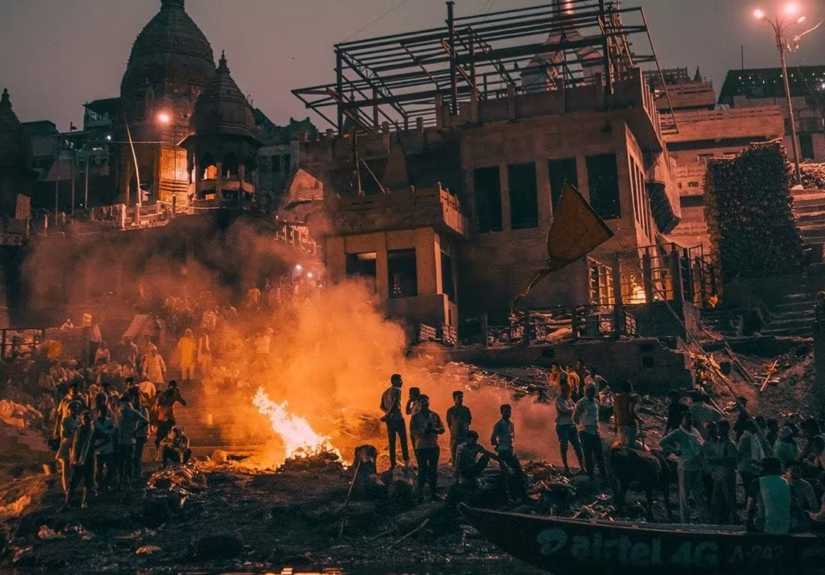
Tension gripped parts of Varanasi on Tuesday after residents, priests, and workers associated with Manikarnika Ghat staged protests against an ongoing demolition drive near the historic cremation ground. The agitators alleged that the action was carried out without adequate consultation and threatened the centuries-old social, religious, and economic ecosystem of one of Hinduism’s holiest sites.
Manikarnika Ghat, located on the banks of the Ganga in Varanasi, is considered among the most sacred cremation grounds in Hindu belief, where funeral pyres burn round the clock. The demolition drive, undertaken as part of an urban redevelopment and infrastructure expansion plan, reportedly involved the removal of structures deemed encroachments in the vicinity of the ghat.
According to locals, several small shops, rest areas, and utility structures used by mourners and workers were dismantled early in the morning, triggering anger and fear among those dependent on the ghat for their livelihood. Priests, boatmen, wood sellers, and members of the Dom community traditionally associated with cremation rites gathered in protest, raising slogans and demanding an immediate halt to the drive.
“We are not opposing development,” said one protester, a local priest. “But Manikarnika Ghat is not just a physical space. It is a living tradition. Any change here must respect religious sentiments and the people who have served this place for generations.”
Protesters also claimed that no prior notice or rehabilitation plan was clearly communicated to those affected. Many said the demolished structures were essential for performing last rites, sheltering grieving families, and storing ritual materials. The sudden action, they argued, disrupted cremation activities and caused distress to families who had come to perform final rituals.
Officials, however, defended the move, stating that the demolition was part of a long-planned project aimed at improving safety, sanitation, and accessibility around Manikarnika Ghat. A senior district official said the drive targeted “unauthorised constructions” that posed risks during peak crowds and monsoon flooding.
“The objective is to streamline movement, reduce congestion, and enhance facilities for the public,” the official said, adding that alternative arrangements and stakeholder consultations were being considered. Authorities also maintained that the core religious functions of the ghat would remain untouched.
Despite assurances, the protest continued for several hours, with demonstrators demanding written guarantees and involvement of local stakeholders in future planning. Police were deployed in the area to prevent escalation, though the protest largely remained peaceful.
As the administration reviews the situation, the incident highlights the delicate balance between urban development and preservation of living heritage in one of India’s oldest continuously inhabited cities. For now, Manikarnika Ghat stands at the centre of a debate that reflects broader questions about modernisation, faith, and livelihoods in sacred spaces.
About the Author