Decision to Scrap 5% Muslim Quota Challenged in Bombay High Court; PIL Seeks Immediate Quashing of Government Resolution
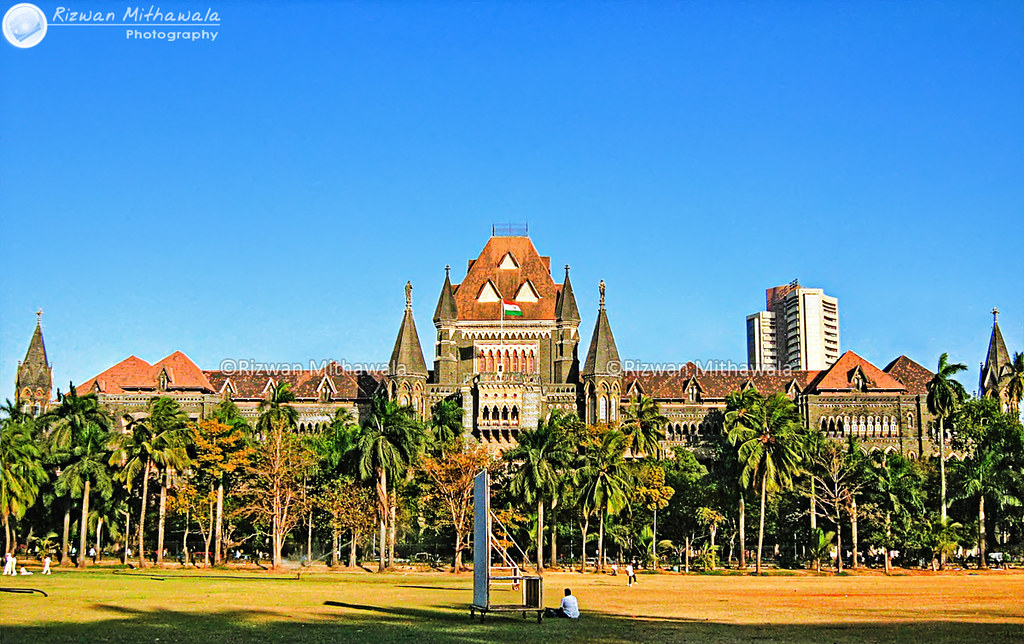
The decision of the Maharashtra government to scrap the five per cent reservation for Muslims has been challenged before the Bombay High Court, with a public interest litigation (PIL) seeking immediate quashing of the government resolution that withdrew the quota.
The PIL has been filed by advocate Ejaz Naqvi, who has contended that the government’s move is arbitrary, unconstitutional and violative of the principles of equality enshrined under Articles 14, 15 and 16 of the Constitution. The petition urges the court to stay the operation of the government resolution pending final adjudication.
According to the plea, the five per cent reservation had been introduced to address the educational and socio-economic backwardness of sections within the Muslim community. The petitioner has argued that the abrupt withdrawal of the quota, without adequate data, consultation or a comprehensive review, amounts to a denial of substantive equality.
The state government, in its resolution, had cited legal and administrative grounds for scrapping the quota. It maintained that reservations must strictly conform to constitutional parameters and judicial precedents, and that religion-based quotas could face legal hurdles. The resolution effectively ended the benefit that was earlier extended in certain educational institutions.
In the PIL, Naqvi has submitted that the quota was not based solely on religion but was intended to benefit socially and educationally backward classes identified within the Muslim community. The plea asserts that multiple commissions and studies had documented backwardness among these groups, justifying affirmative action measures.
The petition further states that the sudden withdrawal of reservation will adversely affect students from economically and socially marginalised backgrounds who were relying on the quota for admissions in professional and higher educational courses. It seeks interim relief to ensure that ongoing admission processes are not disrupted.
Legal experts say the matter is likely to reopen the debate over the constitutional permissibility of religion-linked reservations and the scope of affirmative action policies. The court is expected to examine whether the government followed due process and whether adequate material existed to justify scrapping the quota.
The case is expected to have significant political and social implications, particularly as debates over reservation policies continue to feature prominently in the state’s public discourse.
About the Author