Questions Raised Over Unused MPLAD Funds: Spotlight on Accountability and Development
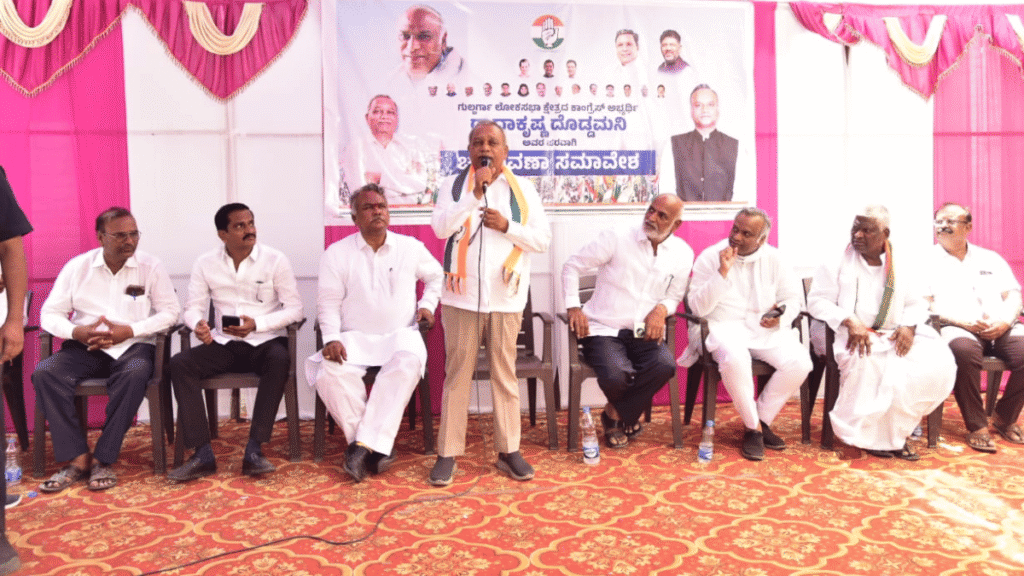
The use of public funds by elected representatives has always been a subject of scrutiny in a democracy. In recent months, attention has turned to allegations that Mallikarjun Kharge’s son-in-law, a Congress Member of Parliament from Karnataka, has not spent any money from the Members of Parliament Local Area Development Scheme (MPLADS)and has yet to propose development works under the scheme. The issue has triggered a wider debate on MPs who have failed to utilise their allotted funds and the very purpose of MPLADS in addressing grassroots development needs.
The Controversy Around Kharge’s Son-in-Law
The MP in question, elected to the Rajya Sabha from Karnataka, has come under political attack for allegedly leaving his MPLADS allocation untouched. Critics argue that while procedural delays can occur, zero utilisation over a significant period raises questions about seriousness towards constituency development and responsiveness to local needs.
Opposition parties claim that such inaction reflects poorly on the ruling political class, especially when the MP is closely related to a senior national leader like Kharge. They argue that political lineage should not translate into complacency and that every MP, irrespective of background, is duty-bound to identify and recommend development works that benefit the public.
Supporters, however, counter that MPLADS recommendations depend on coordination with district authorities, identification of viable projects, and compliance with guidelines. They also point out that Rajya Sabha MPs, unlike Lok Sabha MPs, do not have a geographically defined constituency, which sometimes slows the process of identifying suitable works.
A Broader Pattern: MPs and Unused MPLADS Funds
The controversy has also brought into focus other MPs across party lines who have underutilised or not utilised their MPLADS funds. Parliamentary data over the years has shown that at any given time, several MPs lag in recommending works or ensuring fund utilisation. Reasons often cited include:
Delays in approvals by district administrations
Transfer or retirement of officials handling MPLADS projects
Code of conduct during elections
Lack of coordination between MPs and local bodies
In some cases, lack of initiative by MPs themselves
There have been instances where MPs completed their entire term with a substantial portion of their MPLADS funds remaining unspent. Critics argue that such lapses deny communities access to basic infrastructure like roads, drinking water facilities, school buildings, health centres, and sanitation projects.
What Is MPLADS and Why Does It Matter?
The Members of Parliament Local Area Development Scheme was introduced in 1993 with the objective of enabling MPs to recommend small but impactful development works in their constituencies or areas of choice. Under the scheme:
Each MP is allocated ₹5 crore per year
Funds are used for durable community assets
Works are executed by district authorities, not MPs directly
MPs only recommend projects; they do not handle funds
The scheme was designed to bridge gaps in local development by allowing MPs to respond quickly to pressing needs that may not be immediately addressed through larger government programmes.
Types of Works Allowed Under MPLADS
MPLADS guidelines permit a wide range of development works, including:
Construction of school classrooms and toilets
Drinking water supply and sanitation projects
Rural roads and footpaths
Community halls and anganwadi centres
Public health infrastructure
Facilities for persons with disabilities
Skill development and educational infrastructure
Given this flexibility, critics argue that non-utilisation is difficult to justify, particularly in states like Karnataka where many rural and urban areas continue to face infrastructure deficits.
Accountability and Public Perception
Allegations against Kharge’s son-in-law have resonated because they touch upon a larger issue of political accountability. When MPs fail to use development funds, it fuels public cynicism about politics being disconnected from everyday problems.
Civil society groups argue that MPs should regularly disclose MPLADS utilisation details, hold consultations with local stakeholders, and ensure transparency in project selection. Some activists have also demanded stricter timelines and penalties for prolonged non-utilisation of funds.
Political Reactions and Debate
The ruling party and opposition have traded sharp words over the issue. While the opposition has highlighted the alleged zero utilisation as evidence of entitlement politics, the Congress has responded by questioning why similar scrutiny is not applied uniformly to MPs from all parties who have failed to exhaust their allocations.
Political analysts note that MPLADS often becomes a tool for political point-scoring, especially when elections approach. However, they also stress that such debates can be healthy if they result in greater transparency and pressure MPs to perform better.
Challenges Within the MPLADS Framework
Despite its intent, MPLADS has faced criticism over the years. Some of the key challenges include:
Lack of robust monitoring mechanisms
Overlapping responsibilities between MPs and local governments
Delays in fund release and project execution
Limited technical capacity at the district level
In response to such concerns, there have been periodic reviews and guideline revisions to strengthen accountability. Still, utilisation levels continue to vary widely among MPs.
Why Utilisation Matters More Than Announcements
Experts argue that the true measure of an MP’s commitment lies not in announcements or political speeches but in tangible outcomes on the ground. Unused MPLADS funds represent missed opportunities classrooms not built, roads not repaired, health facilities not upgraded.
In the case involving Kharge’s son-in-law, critics say the controversy could have been avoided had there been visible progress on development works. Even initiating a few projects would have demonstrated intent and defused allegations of inaction.
The Way Forward
To address recurring issues of underutilisation, policy experts suggest:
Mandatory quarterly disclosure of MPLADS recommendations and progress
Greater involvement of local communities in project identification
Digitisation and real-time tracking of projects
Orientation programmes for newly elected MPs on MPLADS procedures
Ultimately, MPLADS is not merely a financial allocation; it is a tool of trust between elected representatives and citizens.
Conclusion
The debate over Kharge’s son-in-law and unused MPLADS funds has reignited an important conversation about responsibility, transparency, and grassroots development. While administrative hurdles exist, prolonged non-utilisation weakens the very purpose of the scheme. As public scrutiny grows, MPs across parties may find it increasingly difficult to justify inaction. In a democracy, development funds are not privileges they are obligations meant to translate public trust into visible progress.
About the Author