Talks with Congress Fail; JMM Releases List of 21 Candidates for Assam Assembly Polls, Opts to Go Solo
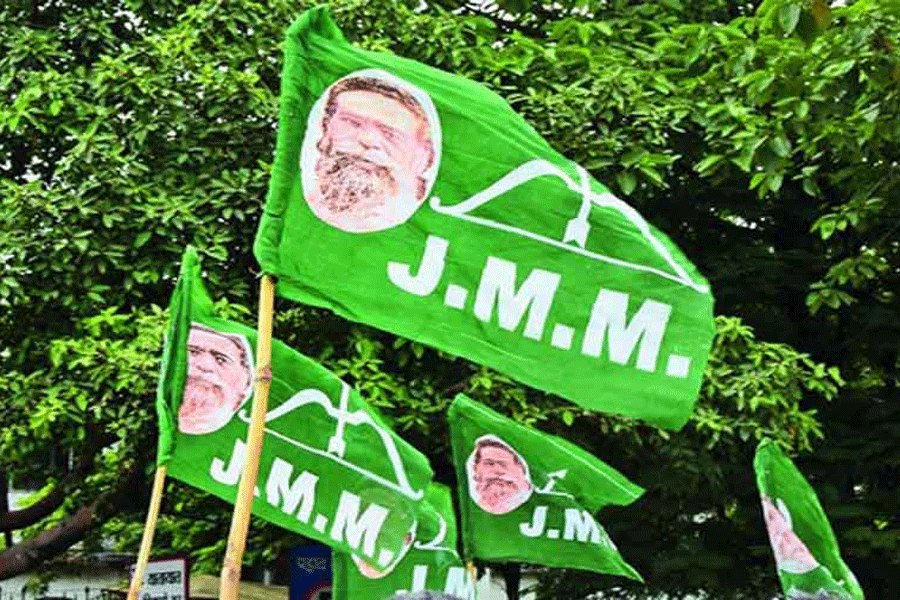
In a significant political development ahead of the Assam Assembly elections, the Jharkhand Mukti Morcha (JMM) on Monday announced its first list of 21 candidates, confirming that alliance talks with the Indian National Congress have broken down. The party has decided to contest the polls independently, with support from a lesser-known regional outfit, the Jai Bharat Party.
The announcement marks a departure from earlier indications that the JMM might align with opposition forces to consolidate anti-incumbency votes. Party leaders said negotiations with the Congress failed due to disagreements over seat-sharing arrangements and strategy.
Breakdown of Alliance Talks
Sources within the JMM indicated that discussions with the Congress had been ongoing for weeks but failed to yield consensus. The primary sticking point was the allocation of constituencies, with both parties unwilling to give key seats in regions where they see electoral potential.
A senior JMM leader stated that the party sought “respectable representation” in the alliance, but talks stalled as neither side was willing to compromise. The Congress, which is attempting to stitch together a broad opposition front in Assam, has not officially commented in detail but acknowledged that “differences could not be resolved.”
Political observers note that the collapse of the alliance could fragment opposition votes in several constituencies, potentially benefiting the ruling bloc.
JMM’s Solo Strategy
With the alliance option off the table, the JMM has decided to go it alone, projecting itself as a distinct regional voice. The party’s list of 21 candidates includes a mix of experienced leaders and new faces, with a focus on constituencies that have significant tribal and marginalized populations.
Out of 19 seats reserved for the Scheduled Tribes (ST), the JMM fielded candidates in just one Assembly constituency Bokajan, where the party has fielded Pratap Singh Rongphar. Among the other candidates, Priti Rekha Barla will contest from Mazbat, whereas Teharu Gour will contest from Biswanath. Amit Nag has been nominated from Khumtai and Bhuben Murari from Chabua.
Similarly, Phedricson Hasda will contest from Gossaigaon and Baldev Teli from Sonari, Peter Minj from Duliajan and Paban Sautal from Rangonadi.
The JMM has also fielded Bharat Nayak from Digboi, Prabhat Das Panika from Bhergaon, Mahabir Baske from Tingkhong, Abdul Mazan from Barchalla, and Mathew Topno from Rangapara.
The other candidates include Jernail Minj from Margherita, Sanjay Bagh from Naharkatia, Muna Karmakar from Makum, Ratnakar Tati from Doomdooma, Sahil Munda from Sapekhati, Sonia from Titabor and Prabhakar Das from Khowang. The JMM is eyeing to influence roughly around 70 lakh tea tribes in the north-eastern State.
Party officials said the selection process prioritized grassroots connect, local credibility, and organisational strength. “We are confident that our candidates represent the aspirations of the people,” a spokesperson said, adding that the party aims to expand its footprint beyond its traditional strongholds.
The JMM’s campaign is expected to centre on issues such as land rights, employment, social justice, and the protection of indigenous communities key themes that resonate with sections of Assam’s electorate.
Support from Jai Bharat Party
While contesting independently, the JMM has secured the backing of the Jai Bharat Party, a small but regionally active political outfit. Though not a major player in Assam politics, the Jai Bharat Party’s support is expected to provide organisational assistance and help mobilise voters in select constituencies.
Leaders from both parties described the arrangement as a “strategic understanding” rather than a formal alliance. The Jai Bharat Party has reportedly agreed not to field candidates against JMM nominees, thereby avoiding vote-splitting in targeted seats.
Electoral Implications
The JMM’s decision to contest solo adds a new dimension to Assam’s electoral landscape. While the party does not command a large vote share statewide, its presence could influence outcomes in closely contested constituencies, particularly in tribal-dominated areas.
Analysts suggest that the fragmentation of opposition forces may pose challenges for parties seeking to counter the ruling establishment. However, it also opens up opportunities for smaller players like the JMM to carve out a niche.
“The JMM is positioning itself as an alternative voice, especially among communities that feel underrepresented,” said a political analyst based in Guwahati. “Whether that translates into electoral gains will depend on candidate performance and voter turnout.”
Looking Ahead
The party is expected to release additional lists in the coming days as it finalises its strategy for the remaining constituencies. Senior leaders are also scheduled to hold rallies and outreach programmes across the state to build momentum.
As campaigning gathers pace, the breakdown of the JMM-Congress talks underscores the complexities of opposition unity in Assam. With multiple parties vying for space, the election is shaping up to be a multi-cornered contest, where even smaller players could play a decisive role.
About the Author