Jaishankar to Visit Dhaka for Khaleda Zia’s Funeral, Signalling Diplomatic Sensitivity
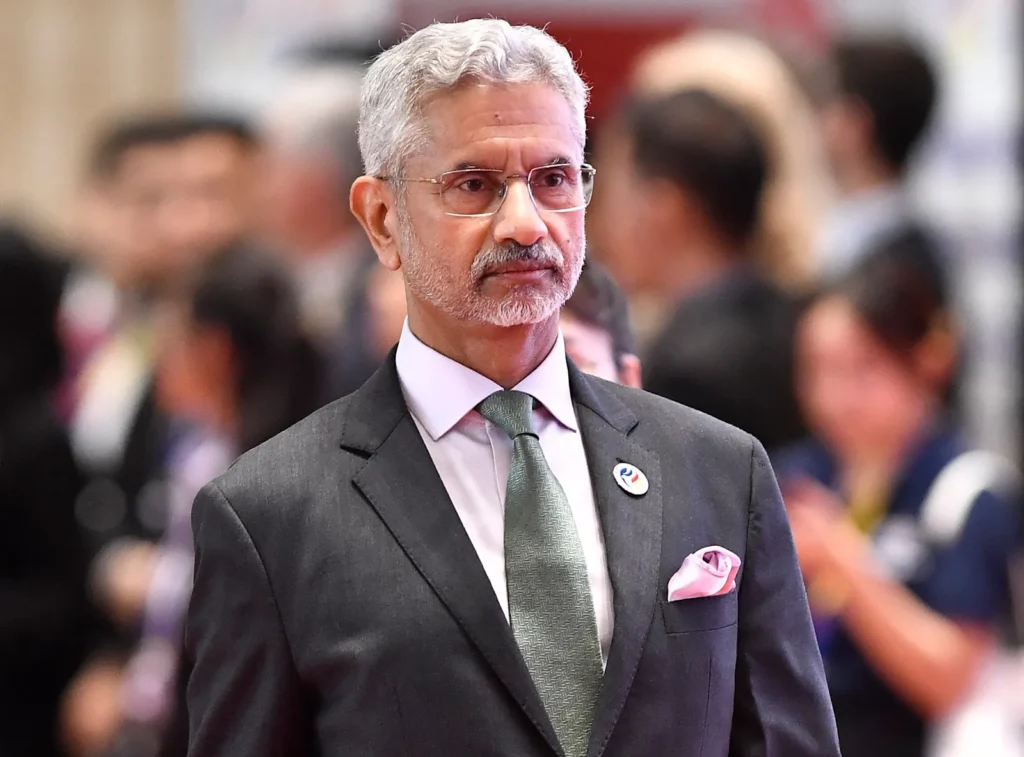
India’s External Affairs Minister S. Jaishankar is scheduled to visit Dhaka to attend the funeral of former Bangladesh Prime Minister Khaleda Zia, a move widely seen as a gesture of respect and a signal of New Delhi’s continued engagement with its eastern neighbour during a moment of national mourning.
Khaleda Zia, a towering figure in Bangladesh’s political landscape and a two-time prime minister, played a defining role in shaping the country’s post-independence politics. Her passing has drawn condolences from leaders across the region and beyond, reflecting her stature and the impact she had on South Asian politics over several decades. India’s decision to be represented at the highest diplomatic level underscores the importance New Delhi attaches to its relationship with Dhaka, irrespective of political differences that may have marked various phases of bilateral ties.
According to official sources, Jaishankar’s visit will be brief and focused on paying last respects on behalf of the Government and people of India. While the programme is centred on the funeral, the visit is also expected to include courtesy interactions with Bangladeshi leaders and senior officials, reaffirming India’s commitment to maintaining open channels of communication during sensitive times. Such gestures, diplomats say, often carry significance beyond protocol, helping to preserve goodwill and continuity in bilateral relations.
Khaleda Zia’s political career was marked by intense rivalry and alternating periods of cooperation and tension with India. During her tenures as prime minister, ties between New Delhi and Dhaka witnessed both engagement and strain, influenced by regional security concerns, border management, and broader geopolitical alignments. Despite differences, India has consistently acknowledged her role in Bangladesh’s democratic journey and her contribution to shaping the country’s multiparty system.
Jaishankar’s presence at the funeral is being viewed as an attempt to separate diplomacy from domestic political contestations, reinforcing the idea that relations between nations transcend individual governments or parties. Analysts note that such outreach is particularly relevant at a time when South Asia is navigating complex regional challenges, including economic uncertainty, climate-related vulnerabilities, and shifting global power equations.
For Bangladesh, the attendance of India’s external affairs minister sends a message of regional solidarity at a moment of collective grief. For India, it offers an opportunity to reiterate respect for Bangladesh’s history and its leaders, while signalling readiness to engage constructively with all stakeholders in the country. The visit also aligns with India’s broader “Neighbourhood First” policy, which emphasises people-to-people ties, cultural respect, and diplomatic sensitivity.
The funeral of Khaleda Zia is expected to be attended by a wide spectrum of political leaders, diplomats, and public figures, reflecting her enduring influence. Jaishankar’s participation places India among the key regional voices acknowledging her legacy. While no formal talks are anticipated, the symbolism of the visit is likely to resonate in Dhaka and New Delhi alike.
As Bangladesh bids farewell to one of its most prominent political figures, India’s decision to stand alongside the Bangladeshi people at this juncture highlights the enduring importance of empathy and respect in diplomacy often as meaningful as formal agreements or policy statements.
About the Author