Indore Contaminated Water Supply Claims Three Lives, Triggers Government Action
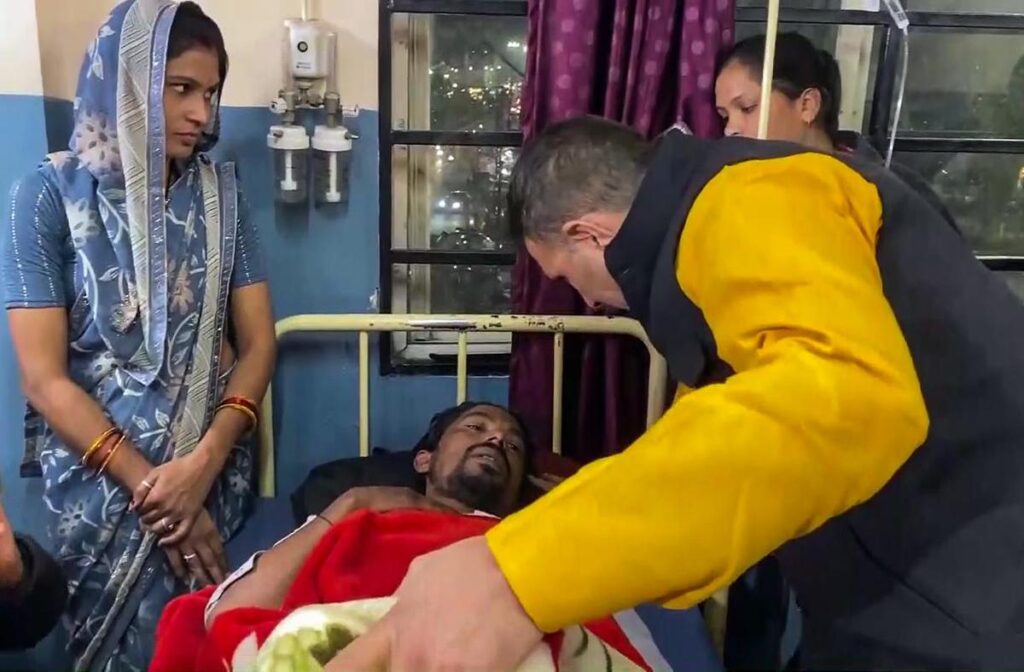
A serious public health crisis has unfolded in Madhya Pradesh’s Indore district after three people died due to diarrhoea allegedly caused by the consumption of contaminated drinking water. The incident has triggered widespread concern among residents and prompted swift action from the state government, including the announcement of compensation for the families of the deceased and the initiation of a high-level inquiry into the matter.
Health officials confirmed on Wednesday that the deaths occurred after several residents of the affected locality reported symptoms such as vomiting, loose motions, dehydration and abdominal pain. Over the past week, hospitals in and around the area have recorded a surge in patients suffering from waterborne illnesses, raising alarms about the safety of the municipal water supply.
The deceased have been identified as Nandlal Pal, aged 75, Urmila Yadav, aged 60, and Tara Kori, aged 65. Nandlal Pal, a resident of Bhagirathpura, was admitted to a private nursing home on December 28 after complaining of severe vomiting and diarrhoea. He passed away on Tuesday morning. Doctors treating him stated that the immediate cause of death was cardiac arrest, while also noting that he had a history of high blood pressure and had not been taking his medication regularly.
Although reports of the deaths began circulating on Tuesday, health authorities initially refrained from confirming them until medical details were verified. The confirmation on Wednesday has intensified scrutiny of the Indore contaminated water supply and the role of civic agencies responsible for its maintenance.
Residents of Bhagirathpura and nearby areas have alleged that the scale of the outbreak is far larger than official figures suggest. According to local accounts, nearly 150 people in the locality have complained of symptoms consistent with diarrhoea over the past week. Many residents have said that entire families fell ill after consuming tap water, forcing them to seek treatment at nearby clinics and hospitals.
The situation has caused panic among locals, with several households switching to bottled water or boiling water as a precautionary measure. Community members have accused authorities of failing to act promptly despite repeated complaints about water quality over the past few weeks.
Officials from the health and municipal departments have stated that a detailed investigation will be conducted to determine the exact cause of the contamination. Water samples have been collected from multiple locations and sent for laboratory testing. Authorities said that once the test reports are received, a clearer picture will emerge regarding the source of the contamination.
Preliminary assessments suggest that the contamination may have occurred due to damage to underground pipelines, ongoing excavation work in the area, or problems related to a water storage tank. Officials are also examining whether sewage lines may have leaked into drinking water pipelines, a scenario that has caused similar outbreaks in urban areas in the past.
In response to the incident, Madhya Pradesh Chief Minister Mohan Yadav expressed grief over the loss of lives and extended condolences to the affected families. He announced a compensation of Rs 2 lakh for each family that lost a member due to the diarrhoea outbreak. The Chief Minister also assured that the state government would bear the entire cost of treatment for all patients who have fallen ill as a result of the contaminated water supply.
The Chief Minister directed officials to ensure that adequate medical facilities are made available in the affected area and that no patient is denied treatment due to financial constraints. Health teams have been instructed to monitor the situation closely and conduct door-to-door surveys to identify new cases at an early stage.
Following the Chief Minister’s instructions, disciplinary action has been taken against municipal officials responsible for water supply management in the affected area. A zonal officer of the municipal corporation and an assistant engineer posted in Bhagirathpura have been suspended with immediate effect. In addition, the services of an in-charge sub-engineer have been terminated. Officials said these actions were taken to establish accountability and prevent similar incidents in the future.
The state government has also constituted a three-member inquiry committee headed by a senior Indian Administrative Service officer to probe the allegations of deaths caused by contaminated water. The committee has been tasked with examining the functioning of the water supply system, identifying lapses in maintenance and supervision, and recommending corrective measures. Its findings are expected to play a crucial role in shaping future policy decisions related to urban water safety.
The incident has once again brought attention to the broader issue of ageing water infrastructure in rapidly growing cities like Indore. Experts have pointed out that frequent excavation work, unplanned urban expansion, and poor coordination between civic departments often increase the risk of water contamination. They have stressed the need for regular pipeline inspections, timely repairs, and strict monitoring of water quality to prevent outbreaks of waterborne diseases.
Public health specialists have also warned that diarrhoea can become life-threatening for elderly individuals and those with underlying health conditions if not treated promptly. They have urged residents to seek immediate medical attention if symptoms such as persistent vomiting, loose motions, or dehydration occur, and to avoid consuming untreated water until authorities declare the supply safe.
As the investigation continues, residents of the affected areas are hoping for swift corrective action and long-term solutions to ensure access to safe drinking water. The outcome of the inquiry and the steps taken by the administration in the coming days will be closely watched, not only by those directly affected but also by citizens across the state concerned about the safety of essential public services.
The Indore contaminated water supply incident serves as a stark reminder of the critical importance of infrastructure maintenance, transparency in governance, and timely response to public health warnings. For now, authorities remain on alert as efforts continue to contain the outbreak and restore confidence in the city’s water supply system.
About the Author