Don’t Panic, India Has Sufficient Crude Oil Supply, Says Petroleum Ministry Amid West Asia Crisis
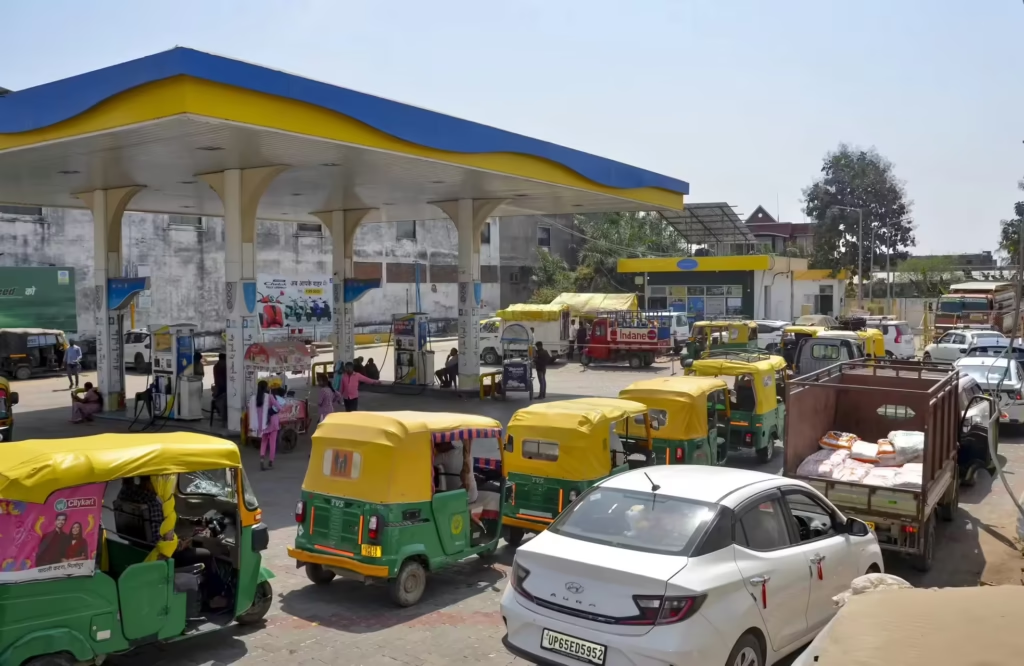
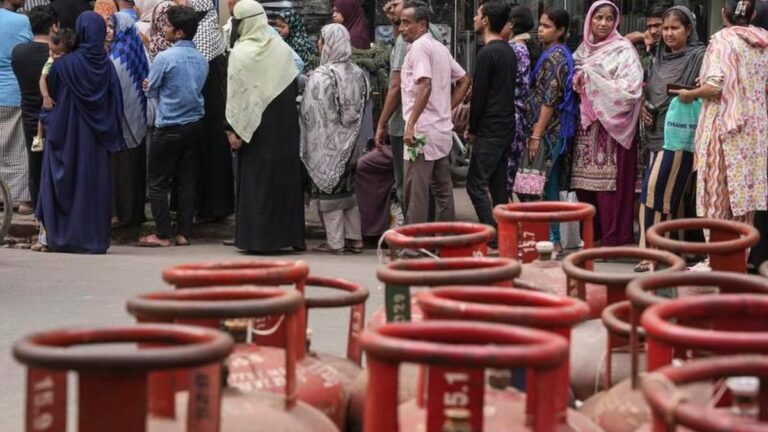
New Delhi — The Union Petroleum Ministry on Saturday sought to reassure citizens and markets that India has adequate crude oil supplies despite rising tensions and disruptions in West Asia, stressing that the country’s energy security remains intact and there is no immediate cause for concern.
The statement comes amid escalating geopolitical tensions in the West Asian region, a key global energy hub that supplies a significant share of crude oil to international markets. Concerns over possible disruptions in shipping routes, production facilities and export terminals have pushed global oil prices upward in recent days, triggering anxiety among importing nations including India.
Officials from the Ministry of Petroleum and Natural Gas said India has diversified its crude sourcing strategy over the past few years and maintains sufficient supply lines from multiple producing regions. The ministry said the country’s oil marketing companies (OMCs) are adequately stocked and continue to receive regular shipments of crude from international suppliers.
“India has enough crude oil supplies to meet domestic demand. There is no shortage or disruption in supply. Citizens should not panic,” a senior ministry official said, adding that the government is closely monitoring developments in West Asia and global energy markets.
India imports more than 85 per cent of its crude oil requirement, making stability in global supply chains crucial for the country’s energy security. A large portion of these imports traditionally comes from West Asian producers including Saudi Arabia, Iraq, the United Arab Emirates and Kuwait.
However, officials said India has significantly expanded its procurement network in recent years to reduce dependence on any single region. Apart from West Asian suppliers, India has increased imports from countries such as the United States, Russia, Brazil and several African producers.
This diversification, according to the ministry, has strengthened India’s resilience against geopolitical disruptions in oil-producing regions.
Government sources said Indian refiners are currently receiving cargoes as scheduled and have also secured additional supplies from alternative sources if needed. Strategic petroleum reserves maintained by the government can also be used as a buffer in case of temporary disruptions.
India maintains underground crude oil storage facilities at strategic locations including Visakhapatnam, Mangaluru and Padur. These reserves are designed to provide emergency supply support during global crises or supply shocks.
Energy analysts note that while tensions in West Asia often create volatility in global oil markets, actual supply disruptions are relatively rare. However, any prolonged conflict or blockage of key shipping routes such as the Strait of Hormuz could significantly impact global oil flows.
Nearly one-fifth of the world’s crude oil trade passes through the Strait of Hormuz, making it one of the most strategically important maritime chokepoints for global energy supply.
Despite these concerns, officials said India’s current inventory levels and diversified import channels provide sufficient cushion against short-term disruptions.
The Petroleum Ministry also said it is maintaining constant coordination with Indian oil companies and international suppliers to ensure uninterrupted supply of crude oil and petroleum products across the country.
Oil marketing companies including Indian Oil Corporation, Bharat Petroleum Corporation Limited and Hindustan Petroleum Corporation Limited continue to maintain operational inventories that can sustain domestic fuel demand for several weeks.
The government also said contingency plans are in place to manage potential price volatility in global markets. Measures could include adjusting import sources, using strategic reserves and coordinating with refiners to optimise supply chains.
Experts say India has significantly strengthened its energy security framework over the past decade through diversification of supply sources, expansion of refining capacity and creation of strategic reserves.
India is currently the world’s third-largest importer and consumer of crude oil after the United States and China, making stable access to energy supplies a key priority for the government.
The ministry reiterated that domestic fuel availability remains stable and that the government will take necessary steps to safeguard the country’s energy needs if the situation in West Asia deteriorates further.
Officials urged the public and markets not to react to speculation or panic-driven narratives, emphasising that India’s oil supply situation remains stable for now despite the ongoing geopolitical tensions in the region.
About the Author