DMK to Contest 164 Seats, Congress 28; Stalin Fields Over 60 First-Time Candidates
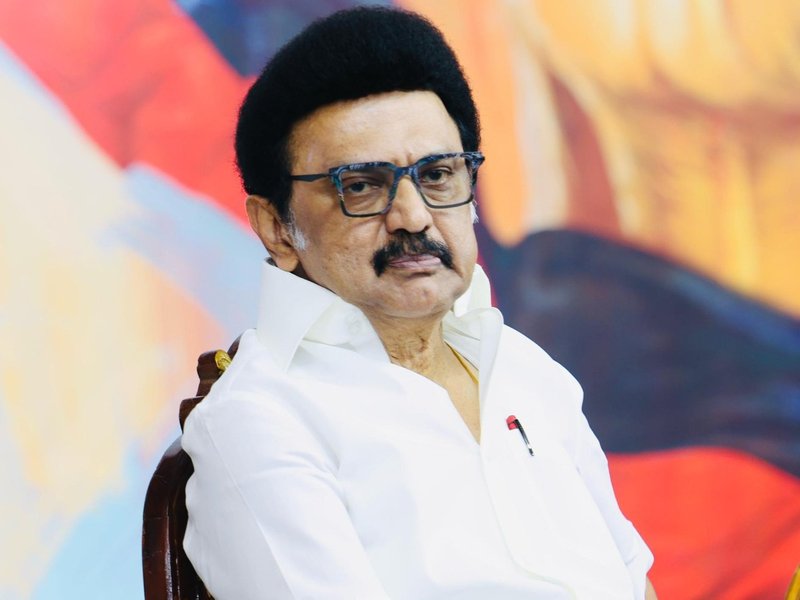
The ruling Dravida Munnetra Kazhagam (DMK), led by Chief Minister M. K. Stalin, on Saturday announced its much-awaited list of candidates for the upcoming Assembly elections, confirming that the party will contest 164 seats, while its key ally, the Indian National Congress, will field candidates in 28 constituencies.
The announcement underscores the DMK’s dominant position within the ruling alliance and reflects a calibrated strategy aimed at balancing experience with fresh faces. Party sources said the leadership has consciously opted to introduce new candidates in a significant number of constituencies, with more than 60 first-time contenders making it to the list.
Emphasis on New Faces and Social Representation
In a notable move, the DMK has fielded over 60 newcomers, signalling an attempt to rejuvenate the party’s electoral base and expand its appeal among younger voters. Political observers see this as a strategic effort to counter anti-incumbency and project a forward-looking image.
The candidate list also reflects an emphasis on social inclusion. Of the total nominees, 18 are women, marking a continued push for greater female representation in electoral politics. Additionally, five candidates from the Muslim community have been fielded, indicating the party’s focus on maintaining its traditional support among minority groups.
Party insiders said the selection process involved multiple rounds of consultations, including feedback from district units and grassroots workers, before finalising the names.
Alliance Dynamics and Seat Sharing
The seat-sharing arrangement with the Congress and other alliance partners was finalised after weeks of negotiations. While the DMK retained the lion’s share of constituencies, allies have been accommodated in key regions to ensure a cohesive campaign.
The Congress, which will contest 28 seats, is expected to focus on constituencies where it retains organisational strength. Smaller allies in the DMK-led front have also been allocated seats, though the DMK remains the central force in the coalition.
Political analysts noted that the allocation reflects both electoral arithmetic and the DMK’s intent to maintain control over the majority of constituencies.
Leadership Strategy and Campaign Focus
Chief Minister M. K. Stalin is expected to spearhead the campaign, with a focus on governance, welfare schemes, and development initiatives undertaken during the DMK’s tenure. The inclusion of first-time candidates is also seen as part of a broader narrative highlighting generational change within the party.
Senior DMK leaders indicated that the campaign will stress continuity in governance while addressing emerging concerns such as employment, infrastructure, and social welfare.
Balancing Experience and Continuity
Despite the large number of new entrants, the party has retained several sitting legislators and senior leaders in key constituencies, ensuring a balance between continuity and change. This mix is expected to strengthen the DMK’s electoral prospects by combining grassroots experience with fresh energy.
The party leadership has also reportedly considered local dynamics, caste equations, and past electoral performance while selecting candidates.
Political Significance
The announcement of candidates marks a crucial step in the run-up to the elections, setting the stage for an intense contest in Tamil Nadu. With the DMK aiming to consolidate its hold on power, the opposition is expected to counter with its own strategies in the coming days.
As campaigning gathers pace, the effectiveness of the DMK’s candidate selection particularly its reliance on first-time contestants will be closely watched by political observers and voters alike.
The elections are expected to test not only the popularity of the ruling government but also the strength of its alliance framework and its ability to mobilise support across diverse sections of society.
About the Author