Deadly Strings in the Sky: How Kite Flying Turns Fatal in India and What Must Be Done
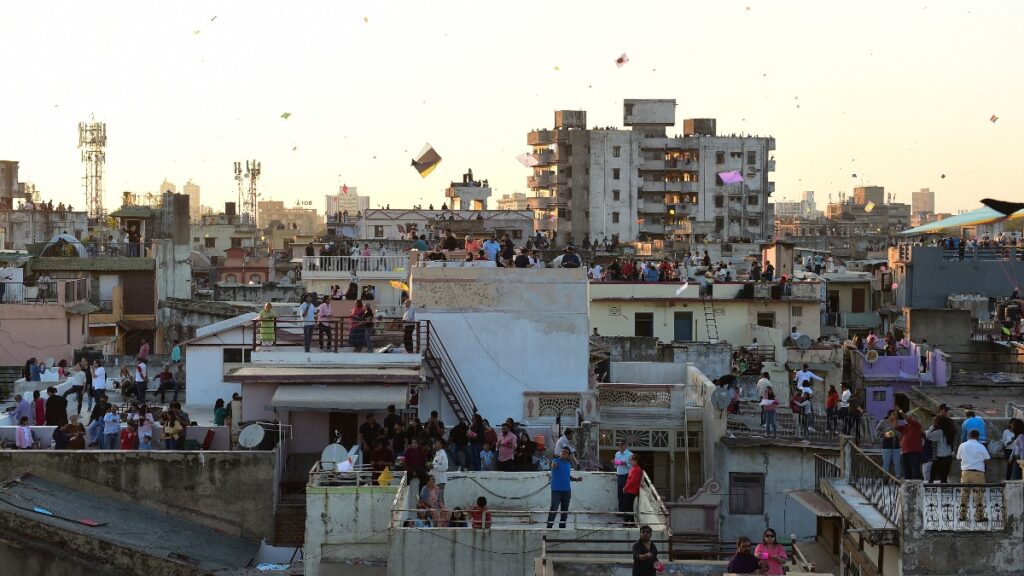
Kite flying has long been woven into the cultural fabric of India, especially during festivals like Makar Sankranti, Independence Day, and local fairs. Rooftops fill with laughter, colourful kites dot the sky, and communities come together in celebration. Yet, in recent years, this innocent pastime has increasingly turned into a public safety hazard, with deadly consequences caused by sharp kite strings, commonly known as manja.
The Incidents and Their Impact
Across several Indian cities, incidents linked to kite flying surge during festive seasons. Two-wheeler riders have suffered deep neck and facial injuries after running into invisible kite strings stretched across roads. Pedestrians, including children, have been seriously wounded, while birds are frequently found injured or dead, their wings and necks cut by sharp threads hanging from trees and electric poles.
The most dangerous variant is glass-coated or metal-laced manja, often made of nylon and coated with powdered glass. Unlike traditional cotton thread, this manja does not break easily. When tensioned by wind, it can act like a blade. Hospitals regularly report emergency cases of severe lacerations, and in some tragic instances, the injuries prove fatal.
Beyond human casualties, stray animals and birds bear a silent but heavy cost. Veterinary clinics and animal welfare groups report a spike in injured pigeons, kites, dogs, and cattle during kite-flying seasons, overwhelming rescue efforts.
Why the Problem Persists
Despite repeated bans by courts and state governments on glass-coated and nylon manja, its use continues. Easy availability, poor enforcement, and lack of awareness allow illegal strings to circulate openly in markets and online. Many flyers, especially youngsters, remain unaware of the risks or view bans as temporary restrictions rather than life-saving measures.
Urbanisation has worsened the danger. Narrow roads, overhead cables, crowded rooftops, and fast-moving traffic leave little margin for error when sharp strings descend onto streets.
How Accidents Can Be Prevented
Prevention begins with responsible behaviour. Citizens must shift back to traditional cotton threads that break under pressure and pose minimal harm. Kite flying should be restricted to open grounds away from roads, power lines, and crowded residential areas. Wearing protective gear like scarves, helmets, or neck guards especially for two-wheeler riders can significantly reduce injuries during high-risk periods.
Public awareness campaigns are equally vital. Schools, resident welfare associations, and local bodies should educate people about the dangers of illegal manja and safe kite-flying practices.
What the Government Must Do
Government action needs to go beyond seasonal advisories. Strict enforcement of existing bans on glass-coated and nylon manja is crucial, including regular market inspections, heavy fines, and criminal action against manufacturers and sellers. Online sale of banned kite strings must be monitored and shut down.
Authorities should also designate safe kite-flying zones in cities and towns, keeping the activity away from traffic and dense neighbourhoods. Emergency preparedness such as deploying medical teams and animal rescue volunteers during festivals can help reduce fatalities.
Finally, sustained nationwide awareness campaigns, not limited to festival weeks, are essential to change public behaviour.
A Shared Responsibility
Kite flying need not become a symbol of tragedy. With responsible citizens, safer materials, and firm government action, this age-old tradition can remain a source of joy rather than grief. Saving lives human and animal alike must take precedence over reckless celebration, ensuring that the sky remains a place of colour, not danger.
About the Author