Households Asked to Shift to PNG or Risk LPG Supply Cuts Amid West Asia Crisis
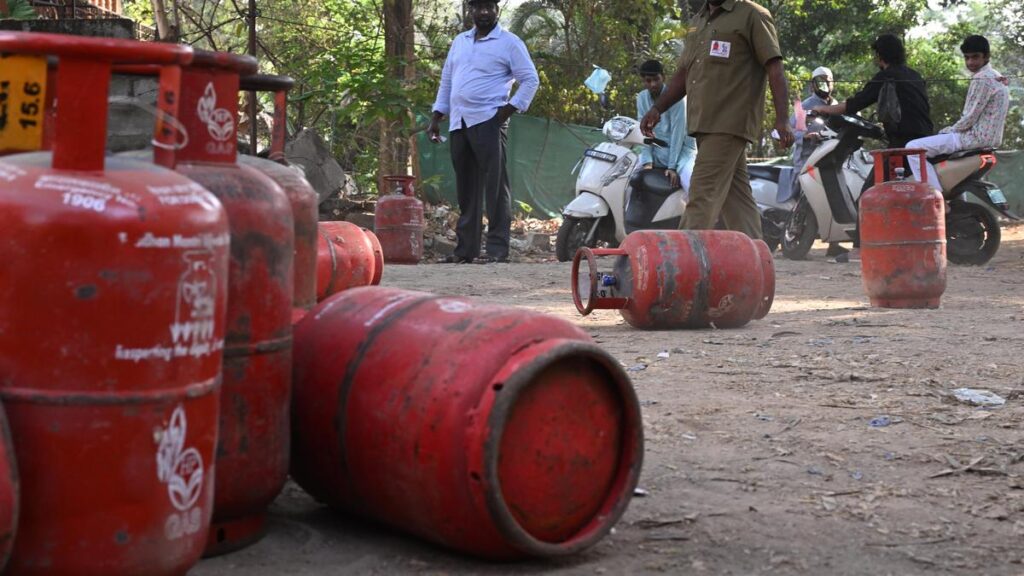
New Delhi, March 25: In a significant move aimed at easing pressure on domestic cooking gas supplies, the Centre has directed households to switch to piped natural gas (PNG) wherever available, warning that continued reliance on liquefied petroleum gas (LPG) in such areas could lead to restricted or discontinued cylinder supply.
The directive comes against the backdrop of escalating tensions in West Asia, which have disrupted global energy supply chains and sharply impacted India’s LPG imports. Officials said the government is taking proactive measures to ensure equitable distribution of available fuel, prioritising regions that lack access to PNG infrastructure.
According to senior officials in the petroleum ministry, households located in urban and semi-urban areas already covered under the city gas distribution (CGD) network have been urged to transition to PNG at the earliest. “This is not merely an advisory but a necessary step to manage limited LPG resources efficiently during a period of supply uncertainty,” an official said.
India imports a significant portion of its LPG requirements, and any disruption in shipping routes or production in West Asia directly affects domestic availability. The ongoing geopolitical tensions have led to delays in cargo shipments and increased freight costs, tightening supply conditions.
Push for Rational Distribution
The government’s decision is rooted in the need to prioritise LPG availability for rural and remote households, where PNG infrastructure is either absent or still under development. Officials noted that continuing LPG supply in areas where PNG is already accessible results in avoidable duplication and inefficiency.
“LPG cylinders must be reserved for households that have no alternative. In cities where PNG pipelines are operational, it is logical and necessary for consumers to make the shift,” the official added.
Oil marketing companies (OMCs) have been instructed to identify such households and gradually phase out LPG connections in areas fully covered by PNG networks. Notices are expected to be issued to consumers, informing them of timelines and procedures for transitioning to piped gas.
Advantages of PNG Highlighted
The government has also intensified its outreach campaign, highlighting the benefits of PNG over LPG. Unlike cylinders that require booking, delivery, and storage, PNG offers a continuous supply of gas through pipelines, eliminating logistical hassles.
In addition, PNG is considered safer due to lower storage pressure and built-in safety mechanisms such as automatic shut-off systems. It is also often more cost-effective over time, as consumers are billed based on actual usage rather than paying upfront for a full cylinder.
Officials believe that increasing PNG adoption will not only ease current supply constraints but also align with India’s long-term energy strategy, which focuses on expanding cleaner and more efficient fuel sources.
Challenges in Implementation
Despite the push, the transition may face resistance from some consumers accustomed to LPG usage. Industry experts point out that initial installation costs for PNG connections and concerns over billing transparency could slow adoption.
“There is a behavioural component involved. Many households prefer LPG due to familiarity and perceived control over usage. The government will need to address these concerns through awareness and incentives,” an energy analyst said.
Moreover, while PNG infrastructure has expanded significantly in recent years, coverage is still uneven. Several cities and towns are in different stages of network rollout, limiting immediate implementation in some regions.
Supply Situation Under Watch
Officials stressed that there is no immediate shortage of LPG but acknowledged that the situation remains fluid. The government is closely monitoring imports and inventory levels while coordinating with suppliers to minimise disruptions.
“We have sufficient stocks at present, but prudent management is essential given the uncertainties in global markets. The shift to PNG where possible is a preventive step,” the official said.
The Centre has also urged citizens to use cooking gas judiciously and avoid wastage. Public sector OMCs have been directed to ensure uninterrupted supply to vulnerable sections, particularly beneficiaries of welfare schemes.
Way Forward
The move signals a broader policy shift towards optimising energy resources amid global volatility. By encouraging PNG adoption, the government aims to create a more resilient and balanced fuel distribution system.
As the West Asia crisis continues to evolve, the success of this transition will depend on coordinated efforts between government agencies, energy companies, and consumers. For now, households with access to piped gas are being urged to make the switch—not just as a matter of convenience, but as a contribution to national energy security.
About the Author