A Broken Alliance Back on Track in Assam as Two Gogois Team Up Ahead of Assembly Polls
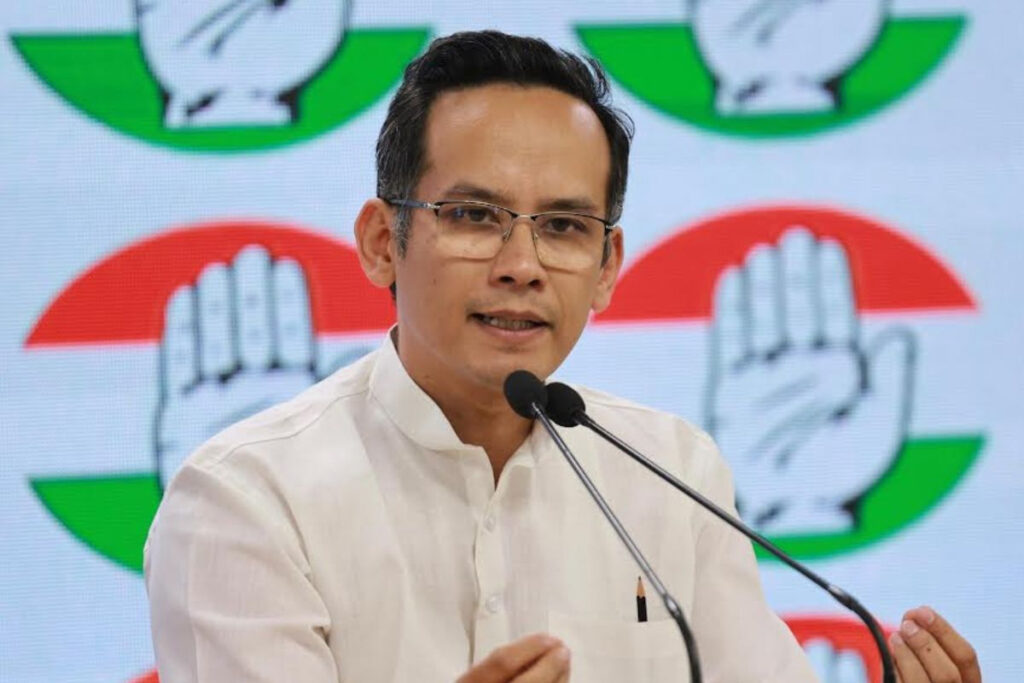
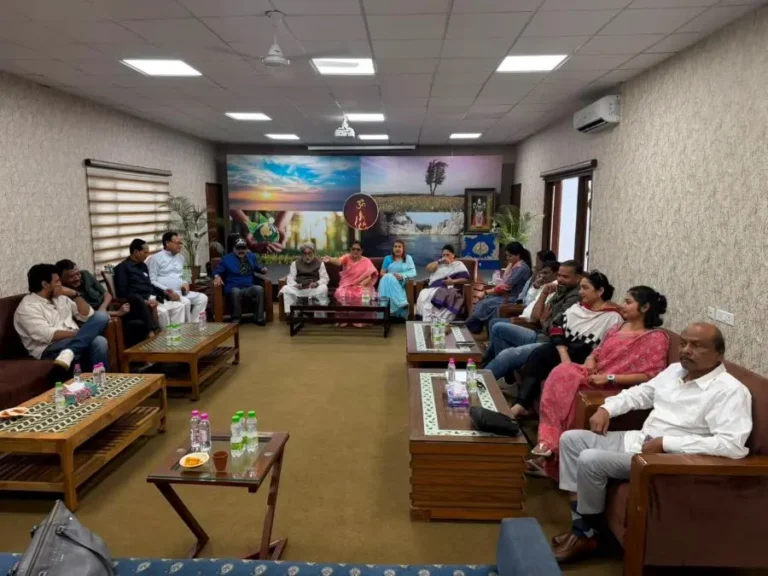
In a significant political development ahead of the upcoming Assam Assembly elections, the Congress and Raijor Dal have revived their alliance, with Assam Pradesh Congress Committee (APCC) president Gaurav Gogoi and Raijor Dal chief Akhil Gogoi announcing a joint contest late Thursday night.
The coming together of the two leaders who had earlier parted ways over seat-sharing disagreements and political strategy signals a renewed attempt by opposition forces to consolidate anti-incumbency sentiment against the ruling BJP-led alliance.
The announcement follows weeks of backchannel negotiations, with both sides agreeing to compromise on contentious constituencies and campaign coordination.
Alliance Back After Rift
The Congress and Raijor Dal had contested parts of previous elections separately after failing to agree on seat distribution, weakening the opposition vote in several constituencies. The renewed alliance is being positioned as a “people’s front” aimed at protecting regional identity, land rights, and constitutional safeguards.
Akhil Gogoi, whose Raijor Dal has built its base on grassroots mobilization and anti-establishment politics, said the alliance was necessary to “defeat divisive forces.” Gaurav Gogoi echoed similar sentiments, stating that unity among opposition parties was essential to present a credible alternative government.
Seat-Sharing Formula Finalised
Under the new arrangement, the Congress will contest the majority of seats, while accommodating Raijor Dal in constituencies where it has demonstrated influence.
Congress is expected to contest 101 seats out of the total 126-member Assembly.
Raijor Dal will field candidates in approximately 11 seats, primarily in Upper Assam and select rural belts where Akhil Gogoi’s support base is strong.
The remaining seats may be left for smaller allies or friendly contests, depending on last-minute negotiations.
BJP-Led Alliance Strategy
On the other side, the ruling BJP-led National Democratic Alliance (NDA) has also finalised a calibrated seat-sharing strategy aimed at maintaining its electoral dominance.
Bharatiya Janata Party (BJP) will contest around 89 seats, retaining its position as the principal party.
Asom Gana Parishad (AGP) is likely to contest 26 seats, focusing on traditional strongholds.
Smaller allies may be accommodated in 2–3 seats.
The BJP is banking on its governance record, welfare schemes, and strong organisational network, while its allies aim to consolidate regional and ethnic vote banks.
The All India United Democratic Front (AIUDF), which is contesting the election alone, has named 126 candidates. Former NDA ally, the Bodoland-based United People’s Party Liberal, is also contesting alone and has so far named 18 candidates.
Political Stakes and Challenges
The renewed Congress–Raijor Dal alliance faces the challenge of translating arithmetic into chemistry. Past elections have shown that fragmented opposition votes often benefited the BJP-led alliance. The success of this partnership will depend on effective coordination at the grassroots level and the ability to prevent vote splitting.
For the BJP, the primary challenge will be countering a more united opposition narrative while defending its incumbency record.
Road Ahead
With the election schedule expected to be announced soon, both alliances are likely to intensify campaign activities. Candidate selection, constituency-level negotiations, and messaging strategies will play a crucial role in shaping the electoral outcome.
The reunion of the two Gogois marks a key moment in Assam’s political landscape, setting the stage for a contest that could be more competitive than in recent years.
About the Author